Montenegro SIM Card vs eSIM: EU Roaming, Cruise Stops & Coverage (2026)
Montenegro isn't in EU Roam Like at Home. Compare tourist SIMs and eSIMs for Kotor, Budva and Durmitor, including cruise day stops. Plans from $2.
ReadAuthor
Angelus Sharma
Published
August 1, 2026
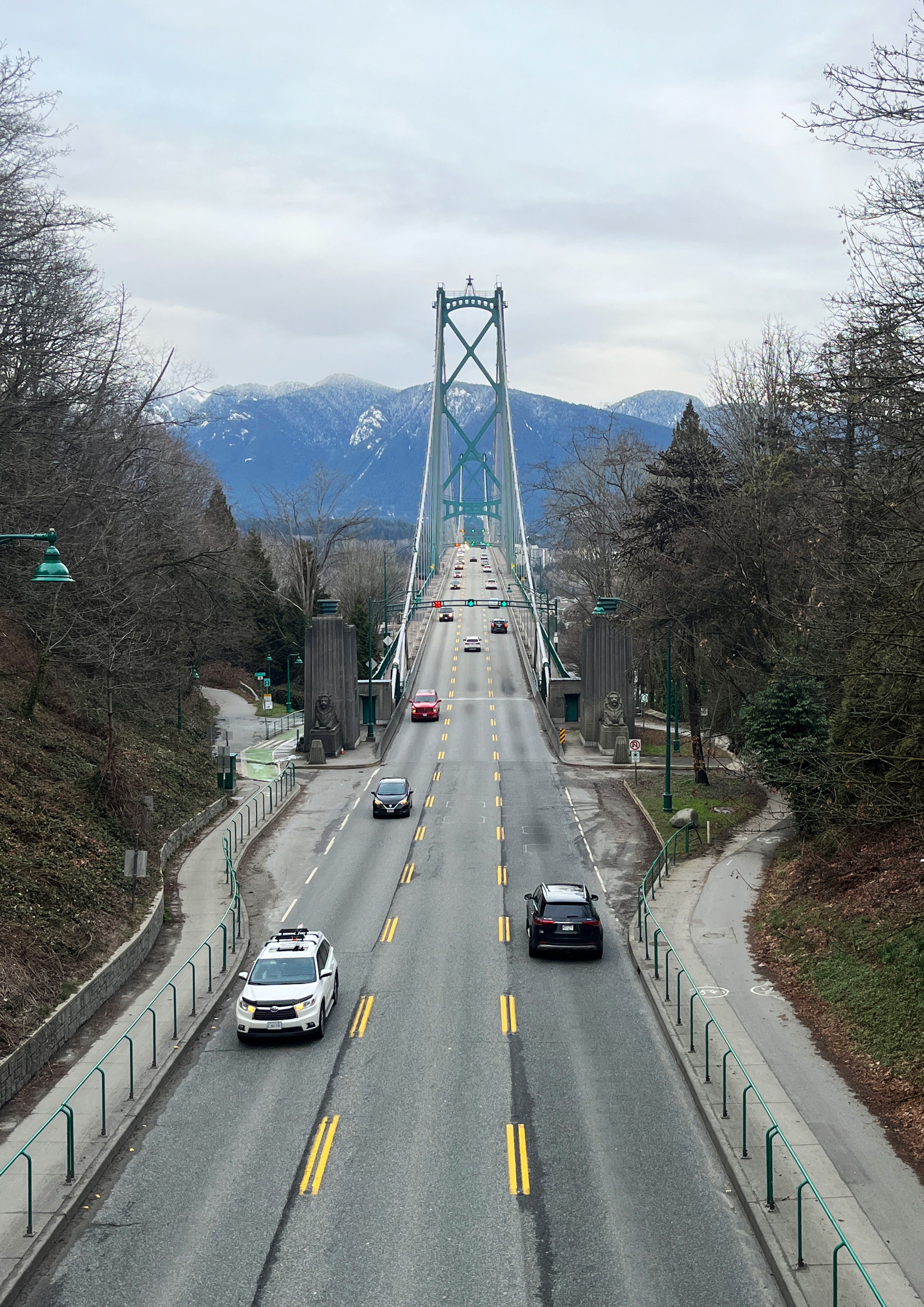
Few cities combine urban life and spectacular nature as effortlessly as Vancouver.
Here, you can spend the morning cycling beside the Pacific Ocean, eat lunch at a bustling public market, cross a suspension bridge through a rainforest in the afternoon, and finish your day watching the sunset over the mountains.
Vancouver's location between the Pacific coast and British Columbia's mountains gives the city a personality that's difficult to replicate. Beaches, forests, waterfront neighbourhoods, museums, markets, restaurants, hiking trails, gardens, and mountain adventures are all within reach.
That variety also means there's a lot to fit into your itinerary.
If you're visiting Vancouver for the first time, these 20 experiences provide an excellent introduction to one of Canada's most visually impressive cities.
And because exploring Vancouver usually means using maps, public transport information, attraction tickets, restaurant searches, weather forecasts, and ride-hailing apps throughout the day, arranging mobile connectivity before arrival can make your trip considerably easier. International visitors can prepare a Canada travel eSIM through eSIMLLY before departure instead of spending their first hours in Vancouver looking for a local SIM.
Let's explore Vancouver.
Location: West of downtown Vancouver, with the main entrance accessible from the western end of Georgia Street
Best time to visit: Year-round; early mornings and late afternoons are generally quieter.
Stanley Park isn't simply another city park. It's one of Vancouver's defining attractions.
Covering roughly 400 hectares, the enormous green space sits beside downtown and offers a combination of forests, beaches, gardens, recreational areas, trails, and spectacular waterfront views.
Visitors can walk, cycle, explore forest trails, visit beaches, discover Indigenous totem poles, or simply find a quiet place to enjoy the surroundings.
Wildlife is also part of the experience. Depending on where you explore, you may encounter birds and other local species.
The park's location makes it surprisingly easy to reach considering how quickly the city disappears once you're among the trees.
If you're visiting Vancouver for the first time, Stanley Park deserves several hours rather than a rushed photo stop.
Best time to visit: Spring is particularly beautiful, while summer provides excellent conditions for cycling and walking.
One of the best ways to understand Vancouver's relationship with the water is to explore the Seawall.
The route provides uninterrupted views of the coastline, mountains, skyline, beaches, and harbour.
Walking is an option, but renting a bicycle allows you to cover considerably more ground.
The Stanley Park section is particularly popular, although adventurous visitors can continue farther along Vancouver's extensive waterfront routes.
Pack water, charge your phone, and allow plenty of time for photographs. You'll probably stop more often than expected.
Location: Granville Island Public Market, 1689 Johnston Street
Best time to visit: Summer provides excellent weather, while weekday mornings generally offer a quieter experience.
Granville Island is one of those places where arriving hungry is practically a requirement.
Once an industrial waterfront area, it has evolved into one of Vancouver's most interesting cultural and culinary destinations.
At its heart is Granville Island Public Market, where visitors can browse stalls offering:
Fresh produce
Seafood
Baked goods
Cheese
Prepared meals
Desserts
Local products
Beyond the market, you'll find studios, galleries, theatres, independent shops, cafés, and waterfront spaces.
Rather than rushing through, give yourself time to wander.
Location: 3735 Capilano Road, North Vancouver
Want to walk through a coastal rainforest while suspended high above a river?
The Capilano Suspension Bridge stretches approximately 137 metres across the Capilano River and hangs around 70 metres above it.
The bridge itself is the headline attraction, but the surrounding park adds forest walks and other elevated experiences.
The scenery is what makes the attraction memorable. Towering trees, rainforest vegetation, and the river below create a dramatic contrast with downtown Vancouver.
Visiting earlier or later in the day can help you avoid some of the busiest periods.
Location: North Vancouver
Best time to visit: Summer for hiking and outdoor activities; winter for snow-based experiences.
Vancouver's mountains aren't merely something to admire from downtown.
At Grouse Mountain, you can actually head into them.
The mountain operates throughout the year, with experiences changing dramatically between seasons.
During warmer months, visitors come for hiking, viewpoints, and outdoor activities.
Winter transforms the mountain into a snow destination with activities such as skiing, snowshoeing, and skating depending on conditions.
Try to choose a clear day. The views toward Vancouver can be extraordinary.
Best time to visit: The main whale-watching season generally runs from spring through autumn.
British Columbia's coastal environment provides opportunities to observe marine wildlife in its natural habitat.
Whale-watching excursions around Vancouver may encounter marine species such as whales, seals, dolphins, and seabirds depending on the season and conditions.
The experience isn't only about spotting animals.
Good tours also provide information about marine ecosystems, behaviour, conservation, and the surrounding waters.
Choose responsible operators that prioritise wildlife welfare and appropriate viewing distances.
Location: Northeast of downtown Vancouver
Gastown provides a completely different atmosphere from Vancouver's glass towers and modern waterfront developments.
Cobblestone streets, historic buildings, restaurants, boutiques, galleries, and cafés give the neighbourhood a distinctive character.
Its most photographed landmark is the famous Gastown Steam Clock.
The area is worth exploring during the day, but the atmosphere becomes particularly appealing in the evening when restaurants fill and the streets illuminate.
Come for the clock. Stay for the neighbourhood.
Vancouver's creative culture extends well beyond its major galleries.
Independent art markets and creative spaces around the city provide opportunities to discover work by Canadian artists and craftspeople.
Depending on where you visit, you may encounter:
Paintings
Jewellery
Ceramics
Photography
Woodwork
Handmade products
These smaller venues can also be excellent places to find souvenirs that feel more personal than the standard tourist-shop offering.
Location: Jericho Park area
Best time to visit: Summer.
Vancouver's beaches are one of the reasons the city feels so different from many other major urban destinations.
Jericho Beach is particularly popular for water activities.
Depending on weather conditions, visitors can try:
Kayaking
Paddleboarding
Sailing
Windsurfing
Or you can do absolutely nothing beyond sitting near the water and enjoying the mountain views.
Both are perfectly respectable holiday plans.
Location: 5251 Oak Street
Best time to visit: Spring and summer when much of the garden is in bloom.
When you need a slower afternoon, head to VanDusen Botanical Garden.
The expansive garden contains thousands of plant species arranged across beautifully landscaped spaces.
Visitors can wander among gardens, pathways, ponds, trees, and seasonal displays.
There's even a hedge maze if simply walking through a beautiful garden feels insufficiently complicated.
It's an excellent escape from Vancouver's busier attractions.
Location: 800 Griffiths Way
Sports fans may want to add Rogers Arena to their Vancouver itinerary.
It's best known as the home of Vancouver's professional hockey team and also hosts major concerts and entertainment events.
If you're travelling during hockey season, attending a game provides an opportunity to experience one of Canada's most deeply rooted sporting traditions.
Outside the season, check the event calendar—you may find a major concert or performance taking place during your visit.
Location: 578 Carrall Street
Vancouver's cultural diversity is one of its defining characteristics, and the Dr. Sun Yat-Sen Classical Chinese Garden provides one of the city's most peaceful cultural experiences.
The garden uses architecture, rocks, plants, water, and carefully arranged spaces to create a sense of balance and tranquillity.
Spring is particularly attractive when seasonal blossoms appear.
After several days of sightseeing, it's an excellent place to slow down.
Location: South of downtown Vancouver
False Creek provides another excellent opportunity to experience Vancouver on foot.
The waterfront area connects several interesting parts of the city and offers views of residential neighbourhoods, marinas, parks, bridges, and downtown.
You can walk, cycle, stop for a picnic, or even rent a kayak.
It's particularly useful for travellers who prefer exploring cities at street level rather than moving constantly between major attractions.
Vancouver is exactly the kind of destination where mobile data becomes useful throughout the day.
You may start by checking the weather before heading to Grouse Mountain, use navigation to reach Stanley Park, find cycling routes along the Seawall, check ferry or public transport information, book attraction tickets, locate restaurants around Granville Island, and upload photographs before dinner.
For international travellers, preparing connectivity beforehand can make that process considerably easier.
A Canada travel eSIM from eSIMLLY can be purchased before departure, allowing compatible-device users to prepare their mobile data without replacing their regular physical SIM.
eSIMLLY provides travel eSIM services across more than 160 countries and regions, making it useful for visitors travelling only to Canada as well as those combining Vancouver with destinations in the United States, Asia, Europe, or elsewhere.
Instead of spending valuable holiday time searching for Wi-Fi, your phone can remain useful for the things Vancouver travellers actually need: maps, weather, transport, bookings, communication, and sharing the trip.
Location: Richmond, Metro Vancouver
Best time to visit: During its seasonal operating months, typically in the warmer part of the year.
When daylight sightseeing is finished, Vancouver still has plenty happening.
The Richmond Night Market is particularly popular for its combination of food, shopping, games, and entertainment.
Food is arguably the biggest reason to visit.
Expect a wide variety of flavours reflecting the cultural diversity of Metro Vancouver.
Arrive hungry. This advice is becoming something of a theme.
Location: University of British Columbia
The Museum of Anthropology is an important destination for travellers interested in the cultures and histories of Indigenous peoples, particularly those of the Pacific Northwest.
Its collections include a wide range of cultural works and objects.
The museum's setting at the University of British Columbia also takes you beyond Vancouver's downtown core, making it easy to combine with other attractions in the western part of the city.
Give yourself enough time to engage with the exhibitions rather than treating it as a quick stop.
Location: Vancouver's West End
Vancouver does sunsets rather well.
English Bay is one of the city's best places to enjoy them.
During warmer weather, the waterfront becomes a popular place for swimming, relaxing, walking, volleyball, and other outdoor activities.
Restaurants and shops nearby make it easy to turn an afternoon visit into an evening outing.
If your itinerary has become packed with attractions, English Bay is a good reminder that sometimes the best travel plan is simply sitting beside the water for an hour.
Vancouver's surrounding waterways provide opportunities to explore British Columbia beyond the urban coastline.
Areas around Howe Sound are known for striking mountain scenery and marine wildlife.
Kayaking and organised excursions can provide opportunities to observe seals, seabirds, and other wildlife.
As with whale watching, wildlife should be observed responsibly and from appropriate distances.
The scenery alone makes exploring the waters beyond Vancouver worthwhile.
Location: Downtown Vancouver
The Vancouver Art Gallery is one of Western Canada's major cultural institutions.
Its exhibitions cover historical and contemporary art, with particular importance given to artists and perspectives connected to British Columbia and Canada.
The programme changes throughout the year, so check current exhibitions before your visit.
Art enthusiasts can easily spend several hours here, while casual visitors can incorporate the gallery into a broader downtown walking itinerary.
Location: 1455 Quebec Street
Travelling with children?
Put Science World on the list.
Its distinctive waterfront building contains interactive exhibits designed to make science accessible and entertaining.
Rather than simply reading displays, visitors can interact with exhibits and explore scientific concepts through hands-on experiences.
That makes it especially good for families—but adults frequently discover they're having rather more fun than expected.
Its False Creek location also makes it easy to combine with waterfront exploration.
Location: 4600 Cambie Street
For one final Vancouver panorama, head to Queen Elizabeth Park.
Located at one of the city's highest points, the park provides sweeping views toward Vancouver and the North Shore Mountains.
The landscaped gardens make the park attractive throughout much of the year, with spring and autumn offering particularly beautiful conditions.
The park also contains the Bloedel Conservatory, home to tropical plants and birds.
It's an excellent place to end a Vancouver itinerary: gardens in front of you, mountains in the distance, and the city stretching between them.
For a first visit, four to five days provides a good balance between city attractions and outdoor experiences.
A sample itinerary could look like this:
Day 1: Stanley Park → Seawall → English Bay → Gastown
Day 2: Granville Island → False Creek → Vancouver Art Gallery → Downtown
Day 3: Capilano Suspension Bridge → Grouse Mountain
Day 4: Museum of Anthropology → Jericho Beach → VanDusen Botanical Garden
Day 5: Whale watching, Science World, Queen Elizabeth Park, or a longer outdoor excursion
If you plan to explore more of British Columbia, consider adding additional days for trips beyond Vancouver.
Vancouver changes significantly with the seasons.
Spring brings milder temperatures, blossoms, and excellent conditions for walking around the city.
It's particularly attractive for parks, gardens, and cycling.
Summer is ideal for:
Beaches
Hiking
Kayaking
Cycling
Whale watching
Outdoor markets
Waterfront activities
It's also one of the busiest periods.
Cooler weather and changing foliage make autumn excellent for parks, hiking, and city exploration.
Winter brings rain at lower elevations but snow to the nearby mountains.
That unusual combination means you can explore the city and enjoy winter sports during the same trip.
Vancouver is relatively easy to explore using a combination of:
Public transport
Walking
Cycling
Ferries
Taxis
Ride-hailing services
Downtown is particularly walkable.
For attractions farther away, such as Grouse Mountain, Capilano Suspension Bridge, or the University of British Columbia, you'll need to plan your transport.
This is another reason reliable mobile data becomes useful: Vancouver itineraries often involve moving between downtown neighbourhoods, waterfront areas, mountains, beaches, and surrounding districts.
Vancouver isn't a destination where you'll spend your entire holiday within a few city blocks.
One day you could be cycling around Stanley Park. The next, you might be travelling to Grouse Mountain, crossing the Capilano Suspension Bridge, exploring Granville Island, heading toward the University of British Columbia, or taking an excursion onto the surrounding waters.
That movement makes mobile connectivity particularly useful.
You'll likely need internet access for:
Google Maps or Apple Maps
Public transport directions
Attraction tickets
Weather forecasts
Mountain conditions
Restaurant searches
Ferry information
Ride-hailing
Hotel communication
Messaging
Photo sharing
That's where eSIMLLY becomes relevant to a Vancouver holiday.
International visitors with compatible devices can arrange a travel eSIM before leaving home instead of spending their first hours in Canada searching for a local SIM card.
With travel eSIM services available across more than 160 countries and regions, eSIMLLY is also useful for travellers making Vancouver one stop on a larger international journey.
For example, if your itinerary continues from Vancouver into the United States or another destination, country-specific and regional eSIM options can help simplify how you manage mobile connectivity while travelling.
Vancouver's greatest strength is that you rarely have to choose between a city holiday and an outdoor adventure.
You can have both.
Cycle beside the Pacific. Walk beneath enormous trees in Stanley Park. Eat your way through Granville Island. Cross a suspension bridge above a rainforest. Head into the mountains. Explore galleries and museums. Watch marine wildlife. Spend an afternoon at the beach. Then finish the day watching the sun disappear behind the water.
The only real challenge is fitting everything into one trip.
Preparing the practical details beforehand—including your mobile connectivity—gives you more time to enjoy the destination once you arrive.
For Vancouver specifically, eSIMLLY helps international travellers stay connected while moving between the city's very different experiences. Whether you're checking mountain weather before visiting Grouse Mountain, navigating to Stanley Park, finding your way to Granville Island, booking an attraction, or sharing sunset photographs from English Bay, mobile data becomes part of the journey.
With travel eSIM services available across 160+ countries and regions worldwide, eSIMLLY provides a convenient way to prepare your connectivity before your Canadian adventure begins.
The future of travel is connected, digital, and increasingly seamless—and Vancouver is exactly the kind of destination where having that connection in your pocket makes exploring easier.
Instant activation, hotspot included and no roaming fees in the destinations from this guide.
Montenegro isn't in EU Roam Like at Home. Compare tourist SIMs and eSIMs for Kotor, Budva and Durmitor, including cruise day stops. Plans from $2.
Read
Zvartnots airport SIM or eSIM? Compare Armenia's operators, tourist bundle prices and when each option makes sense. eSIM plans from $2.50.
Read
Beeline, Kcell or Tele2? Why foreign phones on Kazakh SIMs need IMEI registration, and when a travel eSIM is easier. Plans from $1.50.
ReadGet instant data and savings on your next trip with eSIMLLY. Simple activation, no physical SIM card needed.


