
Montenegro SIM Card vs eSIM: EU Roaming, Cruise Stops & Coverage (2026)
Montenegro isn't in EU Roam Like at Home. Compare tourist SIMs and eSIMs for Kotor, Budva and Durmitor, including cruise day stops. Plans from $2.
ReadAuthor
Angelus Sharma
Published
August 1, 2026
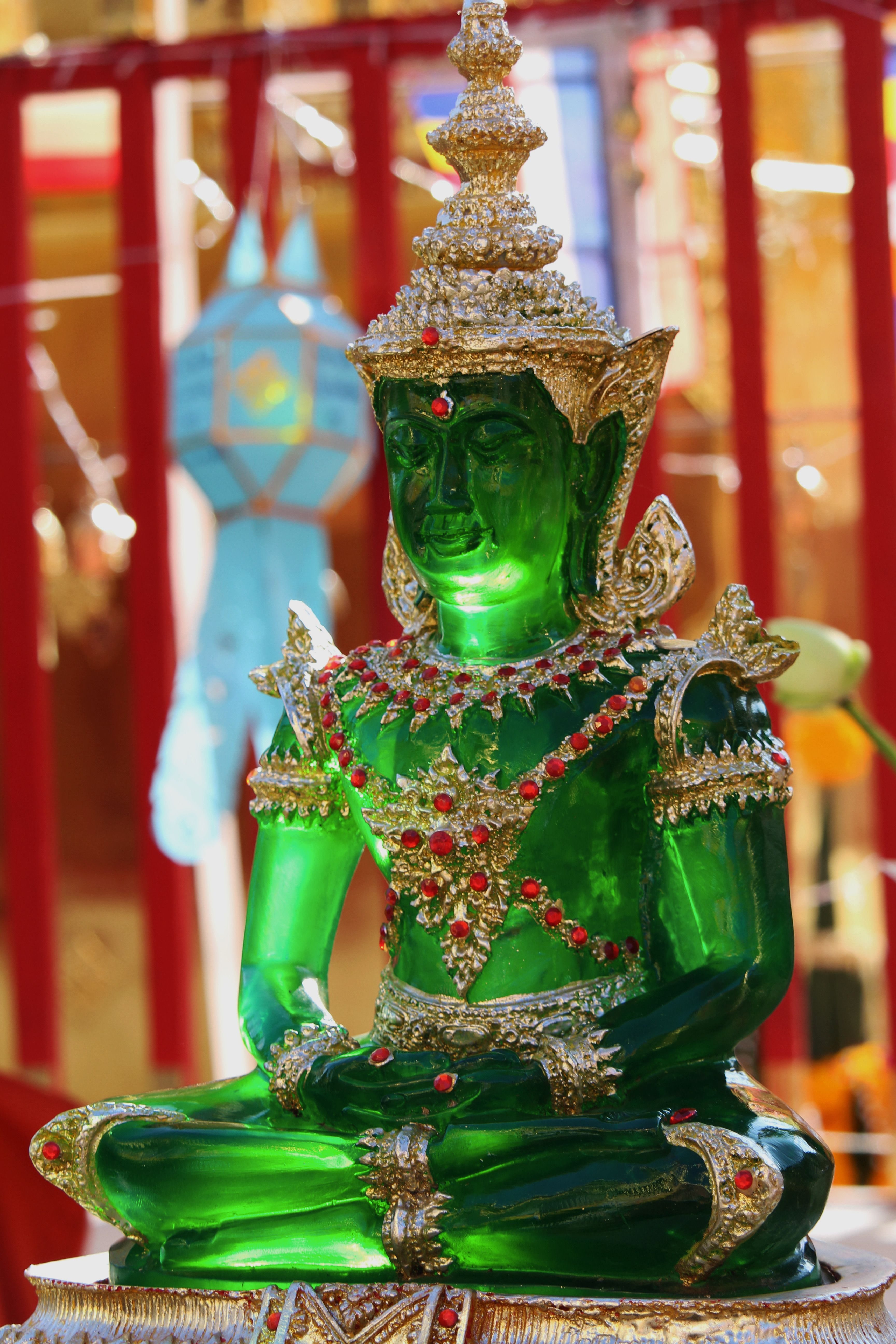
Thailand has a habit of making one trip feel insufficient.
You could spend your first visit exploring Bangkok's temples and street-food stalls, return for the beaches of Phuket and Krabi, come back again for Chiang Mai's mountains and festivals, and still have hundreds of islands and smaller destinations left unexplored.
With fascinating history, tropical scenery and more than 1,400 islands, Thailand offers something for almost every kind of traveller.
But there's one important question to answer before booking:
When is the best time to visit Thailand?
For many travellers, November through March offers the most comfortable overall conditions. Temperatures are generally pleasant, humidity is lower, and much of the country experiences drier weather.
But that doesn't automatically make it the best period for everyone.
The ideal time depends on what you want from your trip.
Want the best beach weather?
Trying to avoid crowds?
Looking for cheaper hotels?
Planning to dive?
Want to experience Songkran?
Heading to Koh Samui rather than Phuket?
Each can have a different answer.
Your destination matters too because Thailand's weather isn't identical across the entire country.
This guide breaks down Thailand's major travel seasons and helps you decide when to visit based on weather, crowds, prices, festivals, diving and island hopping.
And once you've chosen your dates, you can organise your mobile connectivity before departure too. A Thailand travel eSIM from eSIMLLY lets international travellers prepare mobile data before arriving, which can be particularly useful when your itinerary involves airports, ferries, islands, hotels and multiple Thai cities.
You can check for our best plans here https://esimlly.com/en/esim-thailand at and start your eSIM journey at just $2 for 1 GB only and yes we offer you the best plans.
Thailand's tourism calendar can broadly be divided into three periods:
High season
Shoulder season
Low season
Each has advantages.
The "best" one depends on your priorities.
For many first-time visitors, this is the easiest period to choose.
Thailand generally experiences some of its most comfortable travel conditions between November and March.
You can expect:
Lower humidity
Plenty of sunshine
More comfortable evenings
Better conditions for outdoor sightseeing
Good beach weather in many destinations
This makes the period particularly attractive for travellers escaping colder climates elsewhere.
There is, however, a predictable consequence.
Everyone else had the same idea.
Popular destinations can become significantly busier, and flights and accommodation may cost more.
If you're travelling around Christmas, New Year or other popular periods, booking well ahead is sensible.
Thailand's shoulder periods can offer an interesting compromise between weather, crowds and price.
You'll generally encounter fewer international tourists than during peak season, and better accommodation or airfare deals may be available.
Weather becomes less predictable, however.
Rainfall increases in some areas and temperatures can become particularly hot during parts of April and May.
For travellers who don't mind adapting their plans around occasional rain, shoulder season can provide excellent value.
You can check for our best plans here https://esimlly.com/en/esim-thailand at and start your eSIM journey at just $2 for 1 GB only and yes we offer you the best plans.
July through September falls within Thailand's wetter travel period.
Rain and humidity discourage some visitors, which means tourist numbers generally fall.
The advantage?
Potentially better travel deals.
Hotels, flights and activities may become more affordable, and major tourist destinations can feel considerably less crowded.
The trade-off is weather.
Rainfall can range from short tropical showers to longer periods of heavy rain, depending on your destination and the prevailing weather system.
If your itinerary is flexible, low season can still be rewarding.
If weather is your main priority, November to March is generally the safest choice for much of Thailand.
The monsoon period has passed in many regions, leaving behind greener landscapes while conditions become drier and more comfortable.
This is excellent weather for:
Bangkok sightseeing
Temple visits
Northern Thailand
Beach holidays
Outdoor activities
Hiking
Markets
Island trips
But Thailand's geography complicates things slightly.
The weather patterns around the Gulf of Thailand don't always match those of the Andaman coast.
You can check for our best plans here https://esimlly.com/en/esim-thailand at and start your eSIM journey at just $2 for 1 GB only and yes we offer you the best plans.
If you're heading toward the Lower Gulf, including destinations such as:
Koh Samui
Koh Tao
Koh Phangan
the seasonal pattern differs.
The period from roughly September through December can bring considerably more rainfall to this region.
For these islands, January through March generally offers more favourable conditions.
This is why simply searching "Thailand weather" isn't enough.
Always check the specific region you're planning to visit.
If you'd happily accept some rain in exchange for fewer tourists, consider travelling between July and September.
This is part of Thailand's low season.
Popular destinations may feel considerably calmer than during the peak winter months.
That can mean:
Shorter queues
Less crowded attractions
More accommodation availability
Quieter beaches
Easier restaurant reservations
A more relaxed experience at major tourist sites
The obvious compromise is rainfall.
Thailand's tropical showers can be intense, and longer wet periods are possible.
But rain doesn't necessarily mean your entire holiday disappears beneath a grey cloud.
Some days may include heavy rain followed by clearer conditions.
Flexible itineraries work best during this period.
Budget-conscious travellers should look closely at Thailand's low and shoulder seasons.
When tourist demand drops, prices often follow.
Potential savings can appear across:
Hotels
Resorts
Flights
Tours
Activities
This can make Thailand particularly attractive for longer holidays, backpacking trips and digital nomads.
There's another advantage.
Your budget may stretch further.
Instead of paying peak-season prices for a basic hotel, you might find better-value accommodation during quieter months.
Some seasonal businesses and resorts may reduce operations or close temporarily, however, so check availability before booking.
Weather isn't the only reason to choose particular travel dates.
Thailand's festivals can completely transform a trip.
Three celebrations are especially famous.
Typical timing: Around November, although exact dates vary.
Northern Thailand becomes especially magical during Yi Peng, which is strongly associated with illuminated lanterns.
Chiang Mai is one of the best-known places to experience the celebrations.
The sight of illuminated lanterns against the night sky has made the festival internationally famous.
If Yi Peng is the main reason for your trip, arrange accommodation well in advance because demand can rise considerably.
Typical timing: Usually around November, with dates determined by the lunar calendar.
Loy Krathong is one of Thailand's most visually beautiful celebrations.
People traditionally place decorated krathongs carrying candles and flowers onto waterways.
The festival honours water and is celebrated in locations throughout Thailand.
Travellers should check the specific dates and local celebrations for the year they plan to visit.
Typical timing: Mid-April.
Thailand's famous New Year celebration is impossible to describe without mentioning water.
Lots of water.
Songkran combines cultural traditions and celebrations with enormous public water fights across many parts of the country.
Bangkok, Chiang Mai and other destinations become especially lively.
If you visit during Songkran, assume anything you're carrying could get wet.
Protect:
Your passport
Camera
Wallet
Electronics
And then accept the inevitable.
You're probably getting soaked.
You can check for our best plans here https://esimlly.com/en/esim-thailand at and start your eSIM journey at just $2 for 1 GB only and yes we offer you the best plans.
Thailand is one of Asia's most popular diving destinations.
But once again, location matters.
Some diving destinations on Thailand's Gulf side offer opportunities across much of the year, although conditions vary seasonally.
Koh Tao is particularly well known among divers and travellers learning to scuba dive.
For destinations on Thailand's Andaman coast, the period between approximately November and April generally provides favourable diving conditions.
Calmer seas and better underwater visibility can make this an excellent time for diving.
Popular areas include waters around:
Phuket
Krabi
Phi Phi
Similan Islands and surrounding regions
Always check local diving and marine conditions before booking.
Island hopping is practically a national sport for travellers in Thailand.
But choosing the correct coast for the season can make a significant difference.
Thailand's western islands include famous destinations such as:
Phuket
Phi Phi Islands
Koh Lanta
The drier winter period is generally the most attractive time to visit.
December and January are especially popular because sunshine, lower rainfall and generally favourable sea conditions create classic tropical-holiday weather.
Unsurprisingly, they're also busy.
On the other side of the country you'll find destinations including:
Koh Samui
Koh Tao
Koh Phangan
For these islands, January through mid-March can offer excellent conditions.
February is often particularly attractive for travellers seeking sunny weather.
The important lesson?
Don't assume Phuket and Koh Samui have identical weather simply because they're both in Thailand.
They're on different sides of the country and can experience different seasonal patterns.
Thailand is exactly the kind of destination where mobile data becomes useful constantly.
A typical holiday might involve:
Bangkok → Chiang Mai → Phuket → Phi Phi → Krabi
or:
Bangkok → Koh Samui → Koh Phangan → Koh Tao
Suddenly your phone isn't merely for Instagram.
You're using it for:
Airport information
Google Maps
Ferry schedules
Hotel reservations
Translation
Grab and other transport services
Restaurant searches
Weather forecasts
Dive bookings
Tour reservations
Messaging
Digital tickets
For international travellers, this is where arranging connectivity beforehand becomes useful.
A Thailand travel eSIM from eSIMLLY can be prepared before departure on compatible devices, allowing you to arrive with your mobile-data setup already organised.
eSIMLLY provides travel eSIM services across more than 160 countries and regions, making it particularly useful if Thailand is part of a wider Southeast Asian journey.
You can check for our best plans here https://esimlly.com/en/esim-thailand at and start your eSIM journey at just $2 for 1 GB only and yes we offer you the best plans.
If you're travelling from Thailand onward to Singapore, Malaysia, Indonesia, Vietnam or another destination, having access to country-specific and regional travel options can simplify your connectivity planning.
Because nobody wants to arrive at a ferry terminal and discover that the screenshot containing the booking confirmation is sitting somewhere in the cloud.
Thailand's broader rainy season generally extends from around May through October, although exact conditions vary considerably by region.
The earlier part of the season may bring intermittent heavy showers.
Later months can experience stronger monsoon conditions in some regions.
Rain can affect:
Boat services
Island excursions
Hiking
Road travel
Outdoor attractions
Beach plans
However, describing the entire rainy season as the "worst" time to visit Thailand oversimplifies things.
For some travellers, it's exactly the opposite.
Not necessarily.
It depends on what you want.
Rainy-season travel offers some genuine advantages:
Lower tourist numbers
Potentially cheaper accommodation
Better flight deals
Lush landscapes
Less crowded attractions
If your holiday revolves entirely around beaches and island hopping, unpredictable weather may be frustrating.
But if you're interested in:
Food
Culture
Temples
Museums
Wellness
City exploration
Longer stays
the rainy season can still work extremely well.
The key is flexibility.
Don't build an itinerary where every single day depends on perfect sunshine.
There's no universally terrible month to visit the entire country.
Thailand is too geographically varied for that.
Instead, certain periods are less suitable for particular activities.
You may want to reconsider:
September–October if your itinerary depends heavily on predictable dry weather in monsoon-affected regions.
September–December if you're planning a beach-focused trip around parts of the Lower Gulf.
April–May if you strongly dislike intense heat.
December–January if you strongly dislike crowds and peak-season prices.
In other words, the "worst" time depends on what annoys you most.
Heat?
Rain?
Crowds?
Prices?
Pick your enemy.
For comfortable sightseeing, November through February is particularly popular.
Bangkok remains warm, but humidity can be less oppressive than during hotter periods.
That's useful when your itinerary includes:
Grand Palace
Wat Arun
Wat Pho
Markets
Chinatown
Shopping districts
April can be extremely hot but offers the excitement of Songkran.
For classic beach weather, November through April is generally the most attractive period.
December through February is particularly popular.
Expect:
Better chances of sunshine
More favourable sea conditions
Busy beaches
Higher accommodation demand
Travelling during shoulder season can provide a balance between cost and weather.
Koh Samui follows a somewhat different seasonal rhythm from Phuket.
January through March is particularly attractive for beach-focused travellers.
The island can experience heavier rainfall later in the year, especially around the final months of the monsoon period.
Always check current conditions before travelling.
The cooler months between roughly November and February are popular for northern Thailand.
Temperatures are more comfortable for:
Temple visits
Markets
Hiking
Mountain excursions
Outdoor activities
Travellers should also research current seasonal air-quality conditions when planning northern Thailand trips, particularly later in the dry season.
Krabi's Andaman coast location means the period between November and April generally offers the most attractive beach conditions.
This is an excellent period for:
Railay Beach
Island tours
Kayaking
Boat trips
Rock climbing
Beach holidays
Peak winter months will naturally attract larger crowds.
You can check for our best plans here https://esimlly.com/en/esim-thailand at and start your eSIM journey at just $2 for 1 GB only and yes we offer you the best plans.
Season | Typical Months | Weather | Crowds | Prices | Best For |
|---|---|---|---|---|---|
High Season | Nov–Mar | Generally dry and comfortable | High | Higher | First trips, beaches, sightseeing |
Shoulder Season | Apr–Jun, Oct | Hotter/mixed | Moderate | Moderate | Flexible travellers |
Low Season | Jul–Sep | Wetter | Lower | Lower | Budget travel, fewer crowds |
Remember that regional variations apply, particularly around Thailand's islands and coastlines.
Your packing list should reflect the season and activities you've planned.
Useful items include:
Lightweight clothing
Comfortable walking shoes
Sandals
Swimwear
Sunglasses
Sun protection
Reusable water bottle
Rain jacket or compact umbrella
Insect repellent
Medication
Passport and travel documents
Power adapter
Portable power bank
Dry bag for island trips
Thailand travel eSIM
If you're travelling during Songkran, add waterproof protection for your valuables.
Seriously.
Thailand isn't usually a destination where travellers remain in one hotel and one neighbourhood for their entire holiday.
You might arrive in Bangkok, fly north to Chiang Mai, travel south to Phuket, take a ferry to Phi Phi, continue toward Krabi, and then decide that Koh Samui looks tempting too.
Every change of destination creates moments where mobile connectivity becomes useful.
You may need data to:
Find your hotel after landing.
Book a Grab ride.
Navigate Bangkok.
Check domestic flight details.
Access ferry reservations.
Check island weather.
Find restaurants.
Translate Thai information.
Reserve tours.
Contact diving operators.
Check festival information.
Message your accommodation.
That's why eSIMLLY fits naturally into a Thailand itinerary.
International travellers with compatible devices can organise their Thailand travel eSIM before leaving home rather than waiting until arrival to sort out connectivity.
And because eSIMLLY provides travel eSIM services in more than 160 countries and regions, it becomes even more relevant for travellers combining Thailand with neighbouring destinations.
A backpacking itinerary might continue through Malaysia and Singapore.
An island-focused holiday might continue into Indonesia.
A longer Southeast Asian journey might include Vietnam or Cambodia.
Preparing connectivity in advance means one less practical problem to solve while moving between destinations.
For the broadest combination of comfortable temperatures, sunshine and relatively dry conditions, November through March is generally the best time to visit much of Thailand.
But that's only the simple answer.
The better answer depends on your trip:
Best overall weather: November to March
Best for fewer crowds: July to September
Best for budget travel: Low and shoulder seasons
Best for Songkran: Mid-April
Best for Andaman diving: Approximately November to April
Best for Phuket and Phi Phi: Generally December and January for peak beach conditions
Best for Koh Samui and Koh Tao: January to March
Best for northern Thailand: Cooler months around November to February
Thailand rewards travellers who plan around regions rather than simply choosing a month.
There really isn't one perfect time to visit Thailand.
There is only the best time for your version of Thailand.
If you want blue skies and classic beach weather, aim for the dry season.
If you want fewer tourists and better-value accommodation, consider travelling during quieter months.
If you want to celebrate Songkran, visit in April and prepare to get completely soaked.
If diving is the priority, choose your coast according to seasonal conditions.
And if island hopping is your dream, remember that Phuket and Koh Samui don't necessarily follow the same weather calendar.
Once you've chosen when and where to travel, connectivity is another detail worth arranging before departure.
For a Thailand trip specifically, eSIMLLY can help international travellers stay connected while navigating between airports, cities, islands, hotels, ferries and attractions. Instead of depending entirely on public Wi-Fi, you can have mobile data available for the practical moments that make independent travel easier.
With travel eSIM services available across 160+ countries and regions worldwide, eSIMLLY is also particularly relevant if Thailand is one stop on a larger Asian adventure.
Choose the right season.
Pack for the weather.
Sort your connectivity.
Then concentrate on the difficult decisions—like whether your next stop should be another temple, another island, or another plate of pad Thai.
You can check for our best plans here https://esimlly.com/en/esim-thailand at and start your eSIM journey at just $2 for 1 GB only and yes we offer you the best plans.
Instant activation, hotspot included and no roaming fees in the destinations from this guide.
Montenegro isn't in EU Roam Like at Home. Compare tourist SIMs and eSIMs for Kotor, Budva and Durmitor, including cruise day stops. Plans from $2.
Read
Zvartnots airport SIM or eSIM? Compare Armenia's operators, tourist bundle prices and when each option makes sense. eSIM plans from $2.50.
Read
Beeline, Kcell or Tele2? Why foreign phones on Kazakh SIMs need IMEI registration, and when a travel eSIM is easier. Plans from $1.50.
ReadGet instant data and savings on your next trip with eSIMLLY. Simple activation, no physical SIM card needed.


