Montenegro SIM Card vs eSIM: EU Roaming, Cruise Stops & Coverage (2026)
Montenegro isn't in EU Roam Like at Home. Compare tourist SIMs and eSIMs for Kotor, Budva and Durmitor, including cruise day stops. Plans from $2.
ReadAuthor
Angelus Sharma
Published
August 1, 2026
You've landed.
Your bags arrived.
Your hotel reservation is confirmed.
You take your phone out, turn off airplane mode, open Google Maps—and suddenly your home mobile provider starts charging international roaming rates.
International roaming can be convenient, but depending on your carrier and destination, that convenience can become expensive.
Modern travelers use their smartphones constantly abroad for:
Google Maps
Ride-hailing
Translation
Hotel reservations
Flight information
Restaurant searches
Digital boarding passes
Mobile banking
Social media
Video calls
Completely disconnecting isn't particularly realistic anymore.
Fortunately, international roaming isn't the only way to stay online.
Travelers can use Wi-Fi, purchase roaming passes, buy local SIM cards, or install a travel eSIM before departure.
For compatible devices, a travel eSIM is particularly convenient because you can arrange your connectivity digitally before your trip. With eSIMLLY, travelers can purchase travel eSIM services for more than 160 countries and regions worldwide, helping them stay connected without depending entirely on their home carrier's international roaming.
But before looking at how to avoid roaming charges, it's useful to understand exactly what roaming is.
Roaming occurs when your phone connects to another mobile operator's network outside your regular provider's coverage area.
Imagine your normal mobile provider operates in the United Kingdom.
You travel to Thailand.
Your UK network doesn't operate its own cellular towers throughout Thailand.
To keep your phone connected, your provider may have agreements allowing you to use a Thai mobile network.
Your phone connects to that foreign network.
You continue using mobile services.
Your home provider handles the billing.
That's roaming.
Roaming charges are fees associated with using mobile services outside your provider's normal coverage area.
Depending on your carrier and plan, charges can apply to:
Mobile data
Phone calls
SMS messages
The exact pricing varies considerably between providers, destinations and plans.
Data roaming fees can apply whenever your phone accesses mobile internet through a foreign network.
That includes obvious activities such as:
Watching videos
Browsing websites
Using social media
Downloading files
But it can also include background activity you barely notice.
Your phone may automatically:
Refresh email
Sync photographs
Update apps
Back up files
Refresh social-media feeds
Synchronize cloud storage
That means you don't necessarily have to be actively using your phone to consume roaming data.
Your carrier may also charge for calls while roaming.
Depending on your plan, fees can apply when you:
Make a call.
Receive a call.
International roaming calls may be billed by the minute and can cost considerably more than domestic calls.
Always check your carrier's terms before travelling.
SMS pricing varies between networks.
You may be charged for sending texts abroad, and different rules can apply to received messages.
If you need to keep your regular number active for authentication codes or important messages, check how your provider handles SMS while roaming.
The basic reason is simple:
Your home mobile provider doesn't own the foreign network you're using.
When you travel abroad, your carrier may need to pay another operator for access to its network infrastructure.
Those wholesale arrangements can involve:
Network access fees
International agreements
Administrative costs
Currency conversion
Data usage charges
Your home provider then incorporates those costs into its international roaming pricing.
The result can be considerably more expensive than using mobile data domestically.
Suppose your provider offers international roaming for:
USD 12 per day
A short weekend isn't disastrous.
Three days:
USD 36
But consider a longer holiday.
12 × 7 = USD 84
12 × 14 = USD 168
12 × 30 = USD 360
And that's before considering whether your plan imposes data limits or additional charges.
This is why comparing alternatives before travelling can be worthwhile.
There are four main ways travelers can stay connected without relying completely on traditional international roaming:
Use Wi-Fi.
Purchase a roaming pass or add-on.
Buy a local physical SIM card.
Use a travel eSIM.
Each approach works.
The best choice depends on your destination, trip duration, device and connectivity requirements.
The simplest way to avoid mobile-data roaming is not to use mobile data at all.
Instead, connect to Wi-Fi.
You'll commonly find Wi-Fi at:
Hotels
Airports
Cafés
Restaurants
Shopping centers
Railway stations
Tourist attractions
When connected to Wi-Fi, you can use internet-based services without consuming cellular roaming data.
The obvious problem?
Wi-Fi stays where the router is.
You don't.
The moment you leave your hotel, café or airport, you may lose connectivity.
That becomes inconvenient when you need:
Walking directions
Public transport information
Ride-hailing
Translation
Attraction tickets
Restaurant reservations
Public Wi-Fi networks may also be unsuitable for sensitive activities.
Wi-Fi is useful as a supplement.
Relying on it as your only internet connection throughout an international trip can become frustrating very quickly.
Many mobile carriers offer travel passes or roaming add-ons.
Rather than charging you individually for every megabyte, call or text, the carrier may charge a fixed daily amount.
Depending on your provider, that could allow you to use part or all of your normal domestic allowance abroad.
This is convenient because you don't need to install anything new.
A roaming pass may be reasonable when:
Your trip is very short.
The daily fee is inexpensive.
Your destination is included.
You don't want to configure another SIM.
Your included data is sufficient.
For a two-day business trip, convenience might outweigh a small additional cost.
Daily charges become less attractive as the trip becomes longer.
For example, a USD 15 daily roaming fee would cost:
5 days: USD 75
10 days: USD 150
20 days: USD 300
30 days: USD 450
Suddenly, "just use my normal phone" has become one of the more expensive parts of the trip.
Always calculate the total trip cost, not merely the daily rate.
Another traditional way to avoid international roaming is to purchase a local physical SIM after arrival.
You may find SIM cards at:
Airports
Mobile operator stores
Convenience stores
Authorized retailers
A local SIM connects you directly to a domestic network and can provide competitive local data pricing.
Your phone generally needs to be:
Carrier-unlocked.
You'll also need to physically replace your existing SIM if your device has only one physical SIM slot.
That can mean:
Removing your regular SIM.
Storing it somewhere safe.
Installing the local SIM.
Configuring the new connection.
Reinstalling your original SIM when you return.
It works.
It's just rather more plastic and fiddling than modern travel really requires.
Physical local SIMs become even less convenient when your itinerary involves several countries.
Imagine:
France → Switzerland → Italy → Greece → Turkey
Buying and swapping local SIMs repeatedly isn't particularly elegant.
This is one reason regional travel eSIMs have become attractive for multi-country travelers.
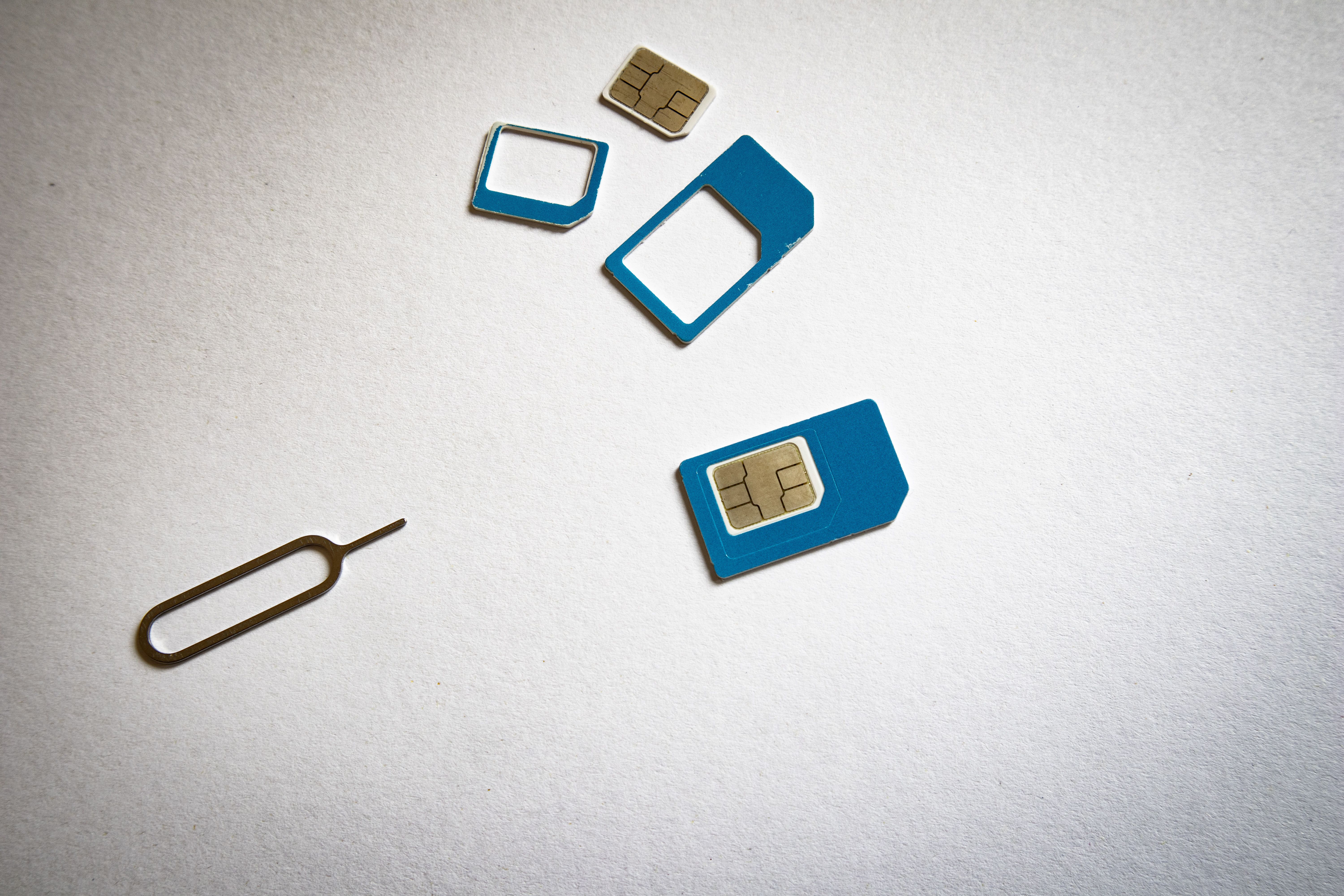
An eSIM, or embedded SIM, is a digital SIM built into compatible smartphones and devices.
Instead of inserting a plastic card, you install a mobile plan digitally.
For international travel, that means you can purchase a travel data plan for your destination before leaving home.
For example, you could purchase your travel connectivity through eSIMLLY, install the eSIM before departure, and follow the activation instructions for your destination.
No airport SIM kiosk.
No SIM-ejector tool.
No tiny piece of plastic disappearing into the darkest corner of your luggage.
A travel eSIM provides a separate mobile-data connection from your normal home SIM.
Instead of allowing your primary carrier to provide expensive international data roaming, you configure your phone to use the travel eSIM for mobile data.
A typical setup looks like:
Primary SIM: Your normal phone number
Travel eSIM: Mobile data abroad
Your home SIM can remain installed where supported, while your travel data runs through the eSIM.
The biggest advantage of arranging travel connectivity before departure is predictability.
With eSIMLLY, international travelers can choose travel eSIM options for more than 160 countries and regions worldwide.
That makes it suitable for:
Holidays
Business trips
Backpacking
Digital nomad travel
Family vacations
Study abroad
Multi-country itineraries
Long-term travel
Rather than waiting until you land and discovering what your carrier charges, you can organize your travel data beforehand.
You don't need to wait until you reach your destination.
Purchase and install your eSIM while you're still connected to home Wi-Fi.
Your regular SIM can remain inside your phone.
There's no need to keep track of a tiny plastic SIM card while travelling.
Many travel eSIM plans are prepaid.
That means you know the plan price before using the service.
This makes travel budgeting more predictable than open-ended roaming charges.
Once you've reached your destination and completed the appropriate activation steps, your travel eSIM can connect to supported local networks.
That means you can begin using:
Maps
Messaging
Transport apps
Hotel apps
without first searching for a SIM shop.
Travel eSIMs can be particularly useful because connectivity can be chosen around your itinerary.
Travelling only to Japan?
Choose an appropriate Japan plan.
Travelling around Europe?
A suitable regional plan may simplify connectivity across supported countries.
Travelling through several regions?
Different travel eSIM options can be installed and managed digitally depending on device support and your itinerary.
With services across 160+ countries and regions, eSIMLLY is designed for exactly this kind of international travel.
On compatible Dual SIM devices, you can generally keep your regular SIM installed while using a travel eSIM.
This can be useful if you need your normal number for:
Two-factor authentication
Banking notifications
Important SMS messages
Existing contacts
However, remember:
Keeping your home SIM active doesn't automatically make its roaming services free.
Calls, texts or accidental mobile-data usage through your home carrier may still trigger charges depending on your plan.
Installing a travel eSIM isn't enough.
You also need to configure your phone correctly.
The goal is simple:
Travel eSIM → mobile data
Home SIM → no chargeable roaming data
Exact menu names vary by phone and operating-system version.
On an iPhone, cellular settings are generally available under:
Settings → Cellular / Mobile Data
From there, you can select your primary SIM and manage its settings.
Depending on how you want to use your regular number, you can either:
Turn the primary line off completely, or
Keep the line active while disabling data roaming.
Then select your travel eSIM as the mobile-data line.
Before travelling, check whether your home carrier charges for calls or SMS received while roaming.
Android menu names vary between manufacturers.
On many devices, SIM settings can be found under something similar to:
Settings → Network & Internet → SIMs
or:
Settings → Connections → SIM Manager
From there, you can choose which SIM handles:
Mobile data
Calls
SMS
Set your travel eSIM as the preferred mobile-data connection and configure your home SIM according to your carrier's roaming rules.
Some Dual SIM phones include features that automatically switch mobile-data lines when one connection performs poorly.
That's convenient at home.
Abroad, it could theoretically cause your device to fall back to your home SIM's roaming connection.
Review settings such as:
Cellular Data Switching
Automatic Data Switching
Backup Calling
Preferred SIM for Mobile Data
The exact terminology varies by device.
If avoiding roaming charges is the priority, make sure your home SIM cannot quietly become the data connection.
Airplane mode is useful while travelling, but you don't necessarily need to keep your entire phone in airplane mode throughout your holiday.
Once your travel eSIM is installed and correctly configured, you can use the eSIM for mobile data while managing your primary SIM separately.
The important thing is preventing unwanted roaming through your regular carrier.
The general process is straightforward.
Confirm that your smartphone supports eSIM technology.
A carrier-locked device may restrict your ability to use another provider's eSIM.
Check before purchasing.
Select the country or region you're travelling to.
With eSIMLLY, travellers can find travel eSIM services covering more than 160 countries and regions worldwide.
Select an allowance and validity period appropriate for your trip.
Follow the provided installation instructions.
Installation is best completed while you have a reliable Wi-Fi connection.
Set the travel eSIM as your mobile-data connection and prevent unwanted roaming through your primary SIM.
Follow the activation instructions associated with your specific plan.
Then you're ready to connect.
Choosing the right allowance helps keep costs efficient.
Your data consumption depends heavily on how you use your phone.
Mostly uses:
Google Maps
Basic web browsing
A smaller plan may be sufficient.
Regularly uses:
Social media
Maps
Music streaming
Photo uploads
Travel apps
You'll probably need a moderate allowance.
Frequently uses:
Video calls
Video streaming
Remote work
Hotspot/tethering
Cloud services
Large uploads
Consider larger allowances or available unlimited options where appropriate.
Even with a travel eSIM, efficient data use can help your plan last longer.
Before travelling:
Download offline maps.
Download music and podcasts.
Save boarding passes.
Download entertainment.
Update apps over Wi-Fi.
Back up photos before departure.
While travelling:
Disable unnecessary automatic app updates.
Limit cloud photo backups over mobile data.
Reduce video-streaming quality.
Use Wi-Fi for large downloads where appropriate.
Monitor mobile-data usage.
A little preparation can make several gigabytes go surprisingly far.
Your phone consumes data even when you're not actively staring at it.
Common background consumers include:
Cloud photo synchronization
Social-media apps
Automatic updates
Messaging backups
Cloud storage
Location services
Review these settings before departure if you're using a fixed-data plan.
Feature | Carrier Roaming | Local SIM | Travel eSIM |
|---|---|---|---|
Arrange before arrival | Usually | Usually no | Yes |
Physical SIM swap | No | Usually yes | No |
Daily fees possible | Yes | Usually no | Usually prepaid |
Keep primary SIM installed | Yes | Depends on device | Yes, on supported devices |
Good for multi-country trips | Depends on plan | Less convenient | Regional options may help |
Search for SIM store after arrival | No | Yes | No |
Cost predictability | Depends on carrier | Generally good | Generally good |
The best option depends on your specific trip.
But for travelers prioritizing convenience, digital setup and predictable data costs, travel eSIMs offer a strong alternative.
There's no need to avoid roaming purely because it's called roaming.
Your existing carrier plan may be perfectly reasonable if:
Roaming is already included.
Your trip is short.
Your destination is covered.
Your fair-use allowance is sufficient.
Your carrier's travel pass is inexpensive.
Check the numbers.
If your existing plan works, use it.
A travel eSIM becomes particularly attractive when:
Your carrier charges expensive daily fees.
You're travelling for more than a few days.
You're visiting multiple countries.
You need substantial mobile data.
Your destination isn't covered by your home plan.
You want to arrange connectivity before departure.
You want to keep your regular SIM installed.
For frequent international travelers, the ability to install and manage plans digitally is particularly convenient.
Never assume.
Check your plan.
Your phone may connect quickly once airplane mode is disabled.
Configure your settings before travelling.
Disabling mobile data doesn't necessarily prevent roaming charges for calls.
Check your carrier's voice-roaming policy.
Dual SIM phones may switch connections automatically.
Review your SIM settings.
Domestic unlimited plans may have different roaming allowances and fair-use restrictions.
Read the roaming terms.
Before your next international trip:
Check your home carrier's roaming rates.
Check whether your destination is included.
Calculate the total roaming cost for the entire trip.
Check your phone is carrier-unlocked.
Confirm eSIM compatibility.
Compare roaming with local SIM and travel eSIM prices.
Purchase connectivity before departure if appropriate.
Install your travel eSIM over Wi-Fi.
Configure your primary SIM to prevent unwanted roaming.
Download important offline resources.
Do this at home.
Airport departure lounges are excellent places for coffee.
They're less excellent places for discovering your mobile plan charges USD 15 per day.
The entire problem with traditional international roaming is uncertainty.
Travelers often don't know exactly what their phones will cost until they start using them abroad.
There may be:
Daily roaming fees
Data limits
Fair-use restrictions
Different destination zones
Additional charges
A travel eSIM provides another approach.
With eSIMLLY, international travelers can choose travel eSIM connectivity before departure and use that connection for mobile data instead of relying entirely on their home carrier's roaming service.
This is particularly useful if you're:
Visiting one country: Choose connectivity for your destination.
Backpacking through several destinations: Look for suitable regional connectivity.
Travelling frequently for business: Arrange data before each trip.
Working remotely: Choose an allowance appropriate for heavier usage.
Taking a family holiday: Prepare connectivity before everyone reaches the airport.
And because eSIMLLY provides travel eSIM services across more than 160 countries and regions worldwide, it can support everything from a weekend city break to a long multi-country journey.
Avoiding roaming charges doesn't mean spending your entire holiday hunting for free Wi-Fi.
You have several options.
Wi-Fi can reduce mobile-data usage.
Carrier roaming passes can be convenient for short trips.
Local SIM cards can provide affordable domestic connectivity.
And travel eSIMs provide a digital alternative that can be arranged before departure.
The right choice depends on your trip.
But the most important rule is universal:
Know your connectivity costs before you travel.
For travelers specifically looking to reduce their dependence on expensive international roaming, eSIMLLY is directly relevant because it allows compatible-device users to arrange travel data separately from their normal home carrier.
You can prepare your eSIM before departure, configure it as your mobile-data line, keep your primary SIM available where appropriate, and arrive with your connectivity already planned.
With travel eSIM services available across 160+ countries and regions worldwide, eSIMLLY can help travellers stay connected whether they're visiting one country or moving across several destinations.
Your phone should help you find your hotel, translate the menu and navigate the metro.
It shouldn't be the most expensive souvenir you bring home.
Instant activation, hotspot included and no roaming fees in the destinations from this guide.
Montenegro isn't in EU Roam Like at Home. Compare tourist SIMs and eSIMs for Kotor, Budva and Durmitor, including cruise day stops. Plans from $2.
Read
Zvartnots airport SIM or eSIM? Compare Armenia's operators, tourist bundle prices and when each option makes sense. eSIM plans from $2.50.
Read
Beeline, Kcell or Tele2? Why foreign phones on Kazakh SIMs need IMEI registration, and when a travel eSIM is easier. Plans from $1.50.
ReadGet instant data and savings on your next trip with eSIMLLY. Simple activation, no physical SIM card needed.


