Montenegro SIM Card vs eSIM: EU Roaming, Cruise Stops & Coverage (2026)
Montenegro isn't in EU Roam Like at Home. Compare tourist SIMs and eSIMs for Kotor, Budva and Durmitor, including cruise day stops. Plans from $2.
ReadAuthor
Angelus Sharma
Published
July 28, 2026
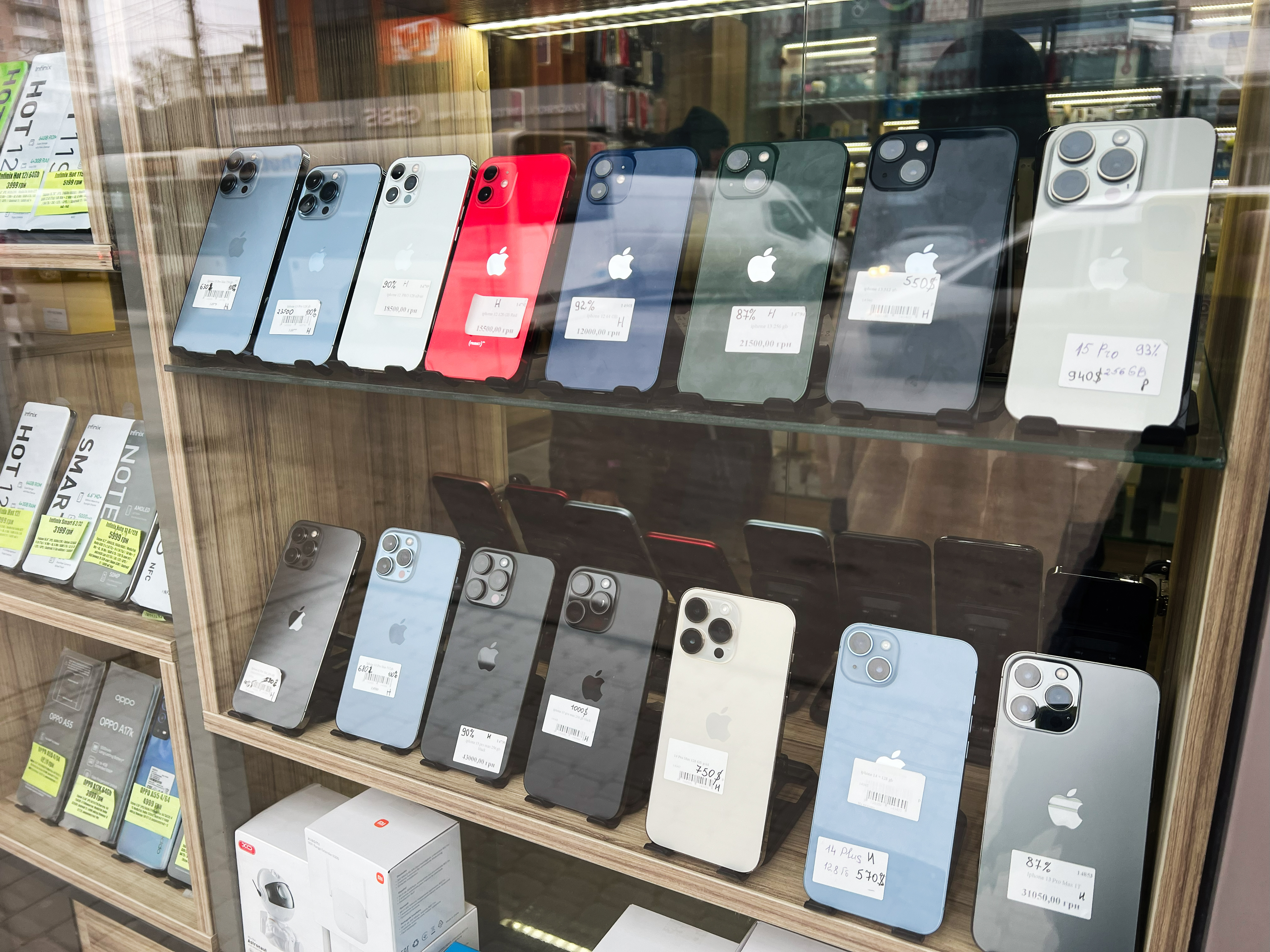
The smartphone industry has been moving steadily toward a future without physical SIM cards. Cameras have replaced compact digital cameras, digital wallets have replaced cash for many purchases, and boarding passes have replaced printed tickets. Now, one of the oldest parts of every smartphone—the removable SIM card—is gradually disappearing.
Apple has been at the forefront of this transition. In recent years, some iPhone models have shipped without a physical SIM tray in certain markets, relying entirely on eSIM technology for mobile connectivity.
With the arrival of the iPhone 17, many buyers are asking the same question:
Is the iPhone 17 eSIM-only?
The short answer is it depends on where you buy it.
Apple has continued its regional approach rather than introducing one universal hardware configuration. Some countries receive eSIM-only models, while others continue to sell iPhones with a physical SIM tray due to local regulations, carrier support, and market requirements.
Understanding these regional differences is important whether you're upgrading your phone, travelling internationally, moving abroad, or planning to use a travel eSIM.
This guide explains everything you need to know about the iPhone 17, country availability, eSIM compatibility, and why the move toward digital SIMs is reshaping international travel.
An eSIM, or Embedded SIM, is a digital SIM built directly into your smartphone.
Instead of inserting a plastic SIM card into a tray, you activate your mobile plan digitally.
Most users receive either:
A QR code
An activation link
Automatic carrier provisioning
Once installed, the phone connects to the mobile network exactly as a traditional SIM would.
An eSIM-only iPhone simply removes the physical SIM tray altogether.
Everything happens digitally.
Removing the SIM tray may appear like a small design change, but it offers several advantages.
It allows manufacturers to:
Reduce mechanical components
Improve water and dust resistance
Free internal space for other hardware
Simplify device design
Encourage digital carrier activation
It also aligns with broader industry trends toward cloud-based provisioning and digital-first services.
No.
Apple does not sell the exact same hardware configuration worldwide.
Instead, the company adapts models for different regions.
The availability of a physical SIM tray depends largely on:
Local regulations
Carrier readiness
Market demand
Regional network support
As a result, two iPhone 17 devices purchased in different countries may look identical while offering different SIM configurations.
Markets that have already embraced digital SIM technology are the most likely to receive eSIM-only iPhone 17 models.
These generally include:
United States
Puerto Rico
U.S. Virgin Islands
These markets have well-established carrier support for eSIM activation and widespread consumer adoption.
If you purchase your iPhone 17 from one of these regions, you should expect it to operate exclusively with eSIM technology.
Many countries continue to receive iPhone models with a physical SIM tray alongside eSIM support.
Examples include:
United Kingdom
Canada
Australia
New Zealand
France
Germany
Italy
Spain
Netherlands
Switzerland
Japan
Singapore
India
United Arab Emirates
Saudi Arabia
South Korea
Thailand
Malaysia
Indonesia
Brazil
Mexico
South Africa
In these markets, users can usually choose between a physical SIM and one or more eSIM profiles, depending on the device model.
Because Apple occasionally updates regional hardware configurations, it's always worth confirming the specifications for your country before purchasing.
Several practical reasons explain the regional approach.
Not every mobile operator offers full eSIM activation.
Although adoption is growing rapidly, physical SIM cards remain important in some markets.
Telecommunications regulations vary around the world.
Some countries require additional approval before carriers can fully transition to digital SIM provisioning.
Many users still prefer physical SIM cards because they are familiar and easy to swap between devices.
Apple generally adapts its products to local market expectations.
Whether your iPhone has a SIM tray or not, eSIM technology offers significant advantages while travelling.
Instead of:
Searching for airport SIM kiosks
Buying local SIM cards
Swapping physical SIMs
Carrying SIM ejector tools
You can install a travel eSIM before departure and activate it after landing.
The experience becomes faster, simpler, and more convenient.
Yes.
Modern iPhones allow users to store multiple eSIM profiles.
This means travellers can keep profiles for different destinations such as:
Europe
Asia
North America
Middle East
Only a limited number of lines can be active simultaneously, but storing multiple travel profiles makes future trips much easier.
Many frequent travellers now maintain an entire library of travel eSIMs on one device.
Absolutely.
Many iPhone users continue using their home mobile number while activating a travel eSIM for data.
This allows you to:
Receive banking verification codes
Keep your WhatsApp number
Continue receiving calls
Access business communications
Use affordable mobile data abroad
For travellers, this is one of the biggest advantages of eSIM technology.
The move away from physical SIM cards offers several practical advantages.
New mobile plans can often be activated within minutes.
Travellers no longer need to store tiny SIM cards inside wallets or passport holders.
Connectivity can be arranged before boarding your flight.
Removing the SIM tray reduces one external opening in the phone, helping simplify the device's construction.
Billions of physical SIM cards are manufactured every year.
Digital provisioning reduces packaging, shipping, and plastic production.
Although eSIM technology is becoming mainstream, there are still a few considerations.
Some users may encounter:
Older carriers without full eSIM support
Additional steps when transferring devices
Limited support in certain regions
Fortunately, these challenges are becoming less common as more operators adopt digital provisioning.
For most international travellers, the answer is yes.
An eSIM-only device eliminates one of the biggest frustrations of overseas travel.
Instead of changing SIM cards every time you cross a border, you simply activate another travel plan.
This is particularly useful for:
Business travellers
Digital nomads
Backpackers
Frequent flyers
Students studying abroad
Multi-country tourists
Before purchasing your new phone, consider the following.
Different regions may receive different SIM configurations.
An unlocked device provides the greatest flexibility when travelling.
If you rely on a specific carrier, ensure it supports eSIM activation.
If you travel internationally even once or twice each year, choosing a device with full eSIM capability makes future trips much simpler.
The shift toward eSIM is being driven by several industry trends.
These include:
Increasing international travel
Wider carrier support
Better smartphone compatibility
Digital-first customer experiences
Remote SIM provisioning
Growth of connected devices
Expansion of 5G networks
As more carriers embrace digital activation, physical SIM cards are expected to become less important over time.
Whether your iPhone 17 includes a physical SIM tray or operates entirely with eSIM technology, travel eSIMs are one of the easiest ways to stay connected abroad.
Instead of relying on expensive roaming packages or searching for local SIM cards after landing, travellers can install a destination-specific or regional eSIM before departure.
Benefits include:
Instant digital delivery
Quick activation
Transparent pricing
Coverage across multiple countries
No physical SIM swapping
Flexible prepaid plans
For frequent travellers, the convenience is difficult to match.
As more people upgrade to eSIM-compatible smartphones like the iPhone 17, the demand for reliable travel connectivity continues to grow.
eSIMLLY offers travel eSIM plans covering more than 160 countries and regions, making it easy to activate mobile data before departure. Whether you're travelling for business, leisure, studying abroad, or visiting multiple destinations on one trip, eSIMLLY provides flexible prepaid plans that work seamlessly with eSIM-compatible iPhones.
With instant digital delivery, straightforward activation, and transparent pricing, travellers can stay connected without worrying about physical SIM cards or costly international roaming.
Apple's long-term direction appears clear.
The company continues investing in technologies that reduce physical components while improving the digital experience.
Although physical SIM trays still exist in many countries today, the trend toward eSIM-only smartphones is gaining momentum.
As carrier support expands and consumers become more comfortable with digital activation, more markets are likely to adopt eSIM-only devices in the coming years.
For travellers, this shift brings greater flexibility, simpler connectivity, and one less thing to think about before every trip.
The question isn't simply whether the iPhone 17 is eSIM-only. It's whether the future of smartphones is becoming eSIM-only.
The answer increasingly points in that direction.
Depending on where you purchase your iPhone 17, you may receive a model without a physical SIM tray or one that continues to support both physical SIMs and eSIMs. Either way, eSIM technology is now a core part of the iPhone experience.
For international travellers, that's excellent news.
The ability to activate a travel plan digitally, keep your primary number, and avoid expensive roaming charges makes eSIM one of the most useful travel features available today.
As the mobile industry continues moving toward fully digital connectivity, understanding how eSIM works today will prepare you for the smartphones—and travel experiences—of tomorrow.
The future of travel is connected, digital, and increasingly seamless—and embedded eSIMs are becoming one of the technologies making that future possible.
As more travellers, enterprises, and device manufacturers embrace eSIM technology, China is set to become one of the most influential markets in shaping the future of mobile communication—and providers like eSIMLLY are well positioned to help international travellers stay connected across China and more than 150 destinations worldwide.
Instant activation, hotspot included and no roaming fees in the destinations from this guide.
Montenegro isn't in EU Roam Like at Home. Compare tourist SIMs and eSIMs for Kotor, Budva and Durmitor, including cruise day stops. Plans from $2.
Read
Zvartnots airport SIM or eSIM? Compare Armenia's operators, tourist bundle prices and when each option makes sense. eSIM plans from $2.50.
Read
Beeline, Kcell or Tele2? Why foreign phones on Kazakh SIMs need IMEI registration, and when a travel eSIM is easier. Plans from $1.50.
ReadGet instant data and savings on your next trip with eSIMLLY. Simple activation, no physical SIM card needed.


