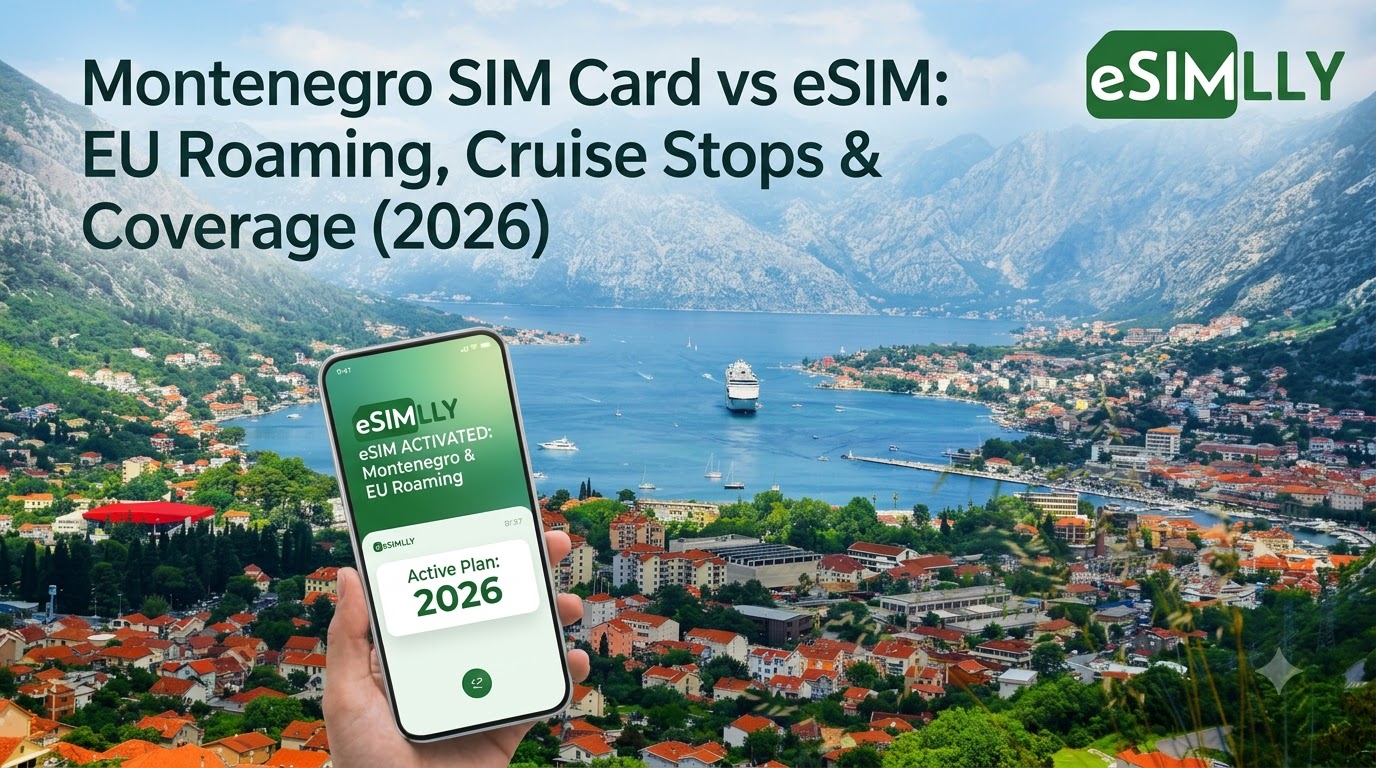
Montenegro SIM Card vs eSIM: EU Roaming, Cruise Stops & Coverage (2026)
Montenegro isn't in EU Roam Like at Home. Compare tourist SIMs and eSIMs for Kotor, Budva and Durmitor, including cruise day stops. Plans from $2.
ReadAuthor
Angelus Sharma
Published
August 31, 2026
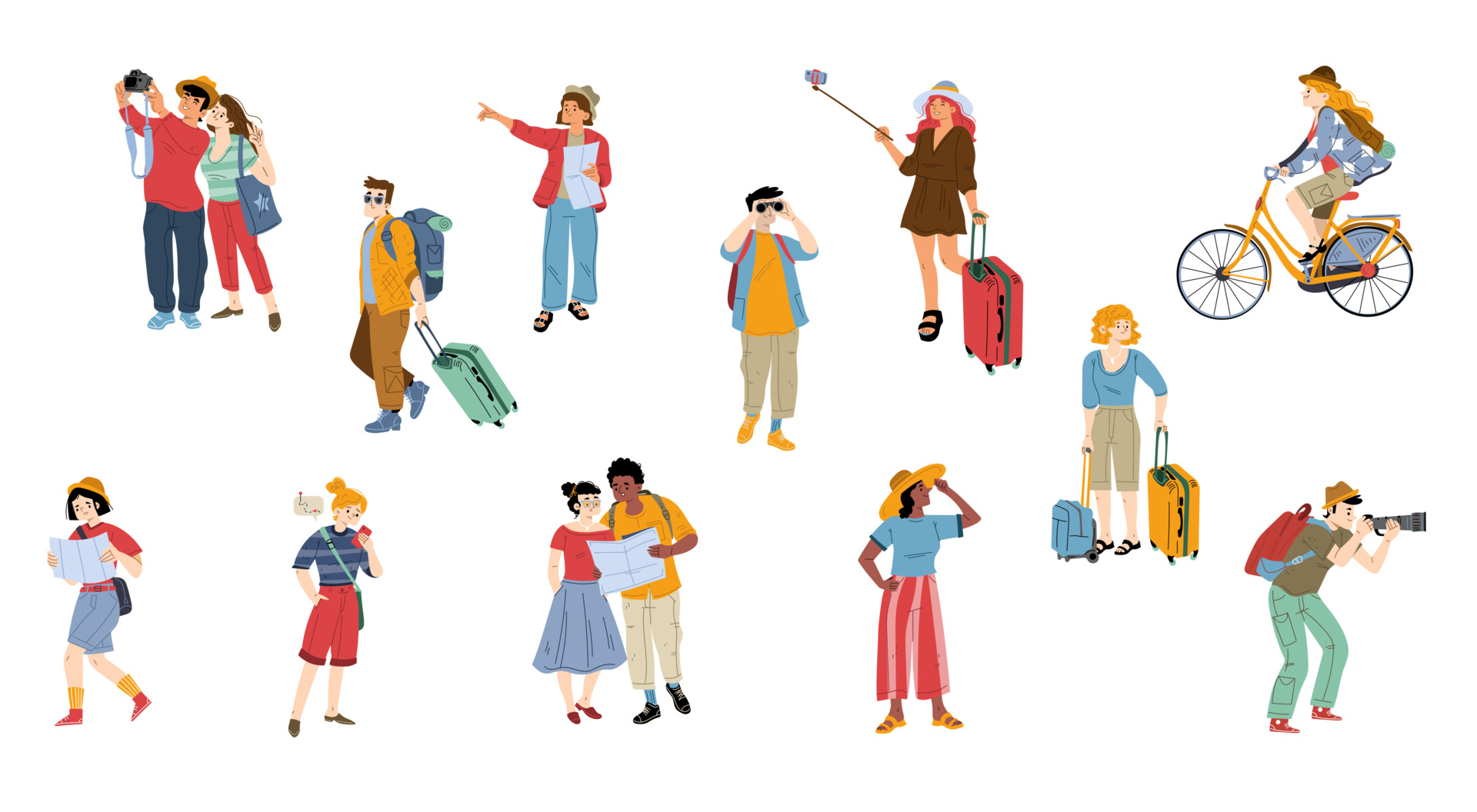
Travel in 2026 is changing. People are no longer travelling simply to visit famous landmarks and tick destinations off a list. They are choosing trips around experiences, personal interests, wellness, entertainment, nature, food, and even the journey itself.
From escaping summer heat in cooler destinations to travelling for concerts, sporting events and pop-culture conventions, today's travellers are finding new reasons to pack their bags.
Here are some of the biggest travel trends shaping 2026—and ideas to inspire your next trip.
Summer holidays have traditionally meant beaches, sunshine and high temperatures. But as hot weather becomes increasingly intense in many popular destinations, more travellers are looking north—or higher into the mountains.
A coolcation is a holiday designed around cooler temperatures, fresh air and outdoor experiences rather than extreme summer heat.
Popular coolcation destinations include:
Norway and Sweden: Fjords, forests, hiking and long summer days
Iceland: Waterfalls, geothermal pools and volcanic landscapes
Switzerland: Alpine villages, mountain railways and hiking trails
Canada: Rocky Mountain scenery, lakes and national parks
Northern Europe: Cooler cities combined with nature-focused escapes
The appeal is simple: you can explore outdoors without spending your entire holiday looking for air conditioning.
Beauty and wellness are becoming reasons to travel rather than things travellers do occasionally during a holiday.
A glowcation is a trip built around skincare, beauty treatments, wellness experiences and self-care.
Seoul remains a major destination for travellers interested in K-beauty, skincare clinics and innovative treatments. Tokyo combines advanced beauty technology with traditional Japanese wellness practices, while Bali attracts visitors looking for spa treatments, yoga and holistic experiences.
The trend is also expanding beyond traditional spas. Travellers are increasingly building entire itineraries around wellness retreats, fitness programmes, thermal baths and personalised beauty experiences.
Why choose between a running challenge and a holiday when you can do both?
Runcations combine running with travel. Instead of simply signing up for a race in your home city, travellers are choosing destinations where the race itself becomes part of the adventure.
Imagine running through:
The streets of Berlin
The coastlines of Portugal
The mountains of Switzerland
The historic streets of Rome
The scenery of New Zealand
The race provides the challenge. The destination provides the reward.
For many travellers, it is a great way to turn months of training into a memorable international adventure.
Movies and television have always influenced travel, but streaming has taken the trend to another level.
Set-jetting means travelling to destinations featured in films, television shows or books.
A series can turn an ordinary location into a bucket-list destination almost overnight. Viewers see a city, beach, restaurant or landscape on screen and immediately start searching for flights and hotels.
Italy, France, the UK, Japan, Thailand and the United States all offer countless opportunities for travellers who want to explore famous filming locations.
The best part? You don't need to be a film buff. Sometimes seeing a beautiful location on screen is enough to make you think, "I need to go there."
Travel is increasingly being organised around shared interests.
Con-cations are trips planned around comic conventions, gaming events, anime conventions, music events and other major gatherings.
Major events can attract visitors from around the world, turning a convention into an international holiday.
Japan is particularly attractive for fans of anime, manga and gaming, while cities such as Cologne, Los Angeles and London host major events for global audiences.
These trips offer something traditional sightseeing sometimes cannot: an instant community of people who are interested in the same things you are.
For some travellers, the accommodation is no longer just somewhere to sleep.
Hotels are becoming destinations in their own right.
Travellers are increasingly choosing properties based on architecture, location, food, wellness facilities and unique experiences.
Think:
Mountain resorts surrounded by dramatic landscapes
Desert properties under enormous open skies
Jungle lodges immersed in nature
Design-focused city hotels
Historic properties with distinctive architecture
Wellness resorts offering complete retreats
In other words, the question is no longer just "Where should I go?"
It is increasingly becoming:
"Where should I stay?"
Not every holiday needs to revolve around nightlife.
The rise of wellness-focused travel is creating more demand for alcohol-free experiences. Sobercations put health, fitness, relaxation and clear-headed mornings at the centre of the trip.
A sobercation might include:
Sunrise yoga
Hiking
Meditation retreats
Spa treatments
Healthy local cuisine
Surfing and outdoor adventures
Alcohol-free social experiences
For travellers who want to return home feeling refreshed rather than exhausted, this can be a very attractive way to travel.
Flying gets you there quickly. Trains let you actually experience the journey.
Rail travel is enjoying a renewed moment, with travellers increasingly choosing scenic routes, sleeper trains and slower journeys across countries and regions.
Scenic rail journeys through the Alps, overnight sleeper trains and cross-border European routes are attracting travellers who want to make transportation part of their holiday.
Instead of watching the landscape disappear from an airplane window, you can spend hours moving through mountains, forests, villages and countryside.
Slow travel is not necessarily about taking longer to get somewhere.
It's about making the journey count.
Food has always been part of travel. In 2026, it is increasingly becoming the reason for travel.
A foodcation is a trip built around local cuisine, restaurants, markets, cooking classes and culinary experiences.
Travellers are planning trips around:
Japanese ramen and sushi
Italian pasta and regional cuisine
Korean street food
Thai markets and cooking classes
French bakeries and fine dining
Mexican regional cuisine
Local food festivals
The attraction is obvious: you can learn about a culture through its food, one meal at a time.
You don't always need two weeks and a huge travel budget to have an adventure.
Micro-adventures are short trips designed around a specific experience. They might last a weekend or just a few days.
A micro-adventure could mean:
A weekend hiking in the mountains
A short city break
A nearby beach escape
A camping trip
A two-day food tour
A quick international getaway
As travellers become more flexible with how they use their time, shorter but more experience-focused trips are becoming increasingly attractive.
Whatever type of trip you choose, reliable mobile data has become an essential part of travelling.
Maps, translation apps, train schedules, restaurant reservations, ride-hailing apps, digital tickets and messaging all depend on connectivity.
That is where an eSIM can make international travel easier.
With a travel eSIM, you can set up mobile data without searching for a physical SIM card after landing. You can also avoid relying entirely on potentially expensive international roaming.
From a coolcation in Norway to a foodcation in Japan, a rail adventure through Europe or a convention weekend in Tokyo, having mobile data makes travelling easier.
eSIMLLY gives travellers a simple way to choose an eSIM plan for their destination and stay connected while abroad.
Choose your destination, select the data you need and get your travel connectivity ready before you go.
Explore eSIMLLY Travel eSIM Plans
Some of the major trends include coolcations, wellness and beauty travel, runcations, set-jetting, con-cations, destination hotels, sobercations, food-focused travel and the renewed popularity of rail journeys.
A coolcation is a holiday planned around cooler temperatures, usually in northern regions, mountainous destinations or places with milder summer weather.
Set-jetting means travelling to locations featured in films, television shows or books.
A runcation combines a running event or fitness goal with a holiday. Travellers travel to another destination to participate in a race while also exploring the area.
Travellers increasingly want slower, more scenic journeys where transportation is part of the experience. Sleeper trains and scenic rail routes can turn the journey itself into a highlight.
You don't necessarily need one, but an eSIM can make staying connected abroad more convenient. It lets compatible phones use a digital SIM instead of requiring a physical SIM card, and it can help travellers avoid relying on expensive roaming.
Instant activation, hotspot included and no roaming fees in the destinations from this guide.
Montenegro isn't in EU Roam Like at Home. Compare tourist SIMs and eSIMs for Kotor, Budva and Durmitor, including cruise day stops. Plans from $2.
Read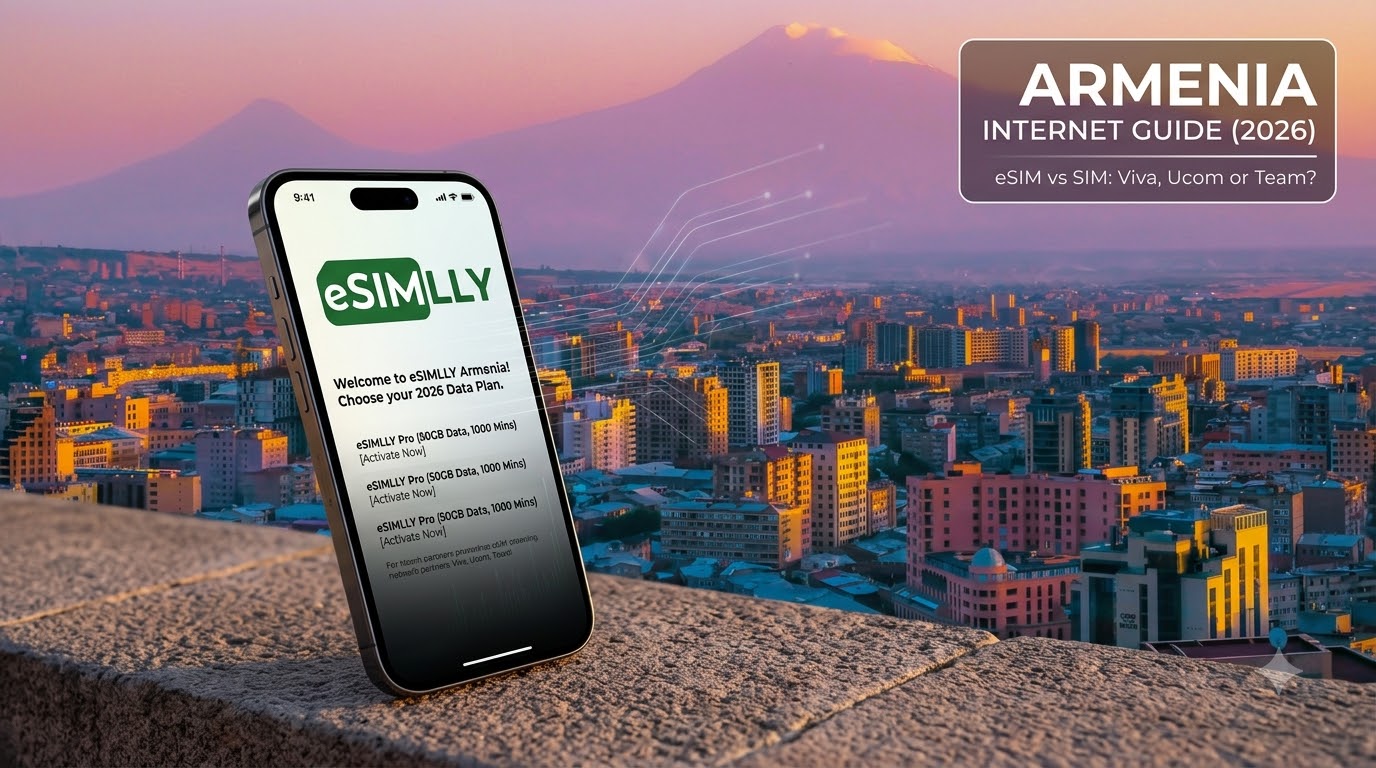
Zvartnots airport SIM or eSIM? Compare Armenia's operators, tourist bundle prices and when each option makes sense. eSIM plans from $2.50.
Read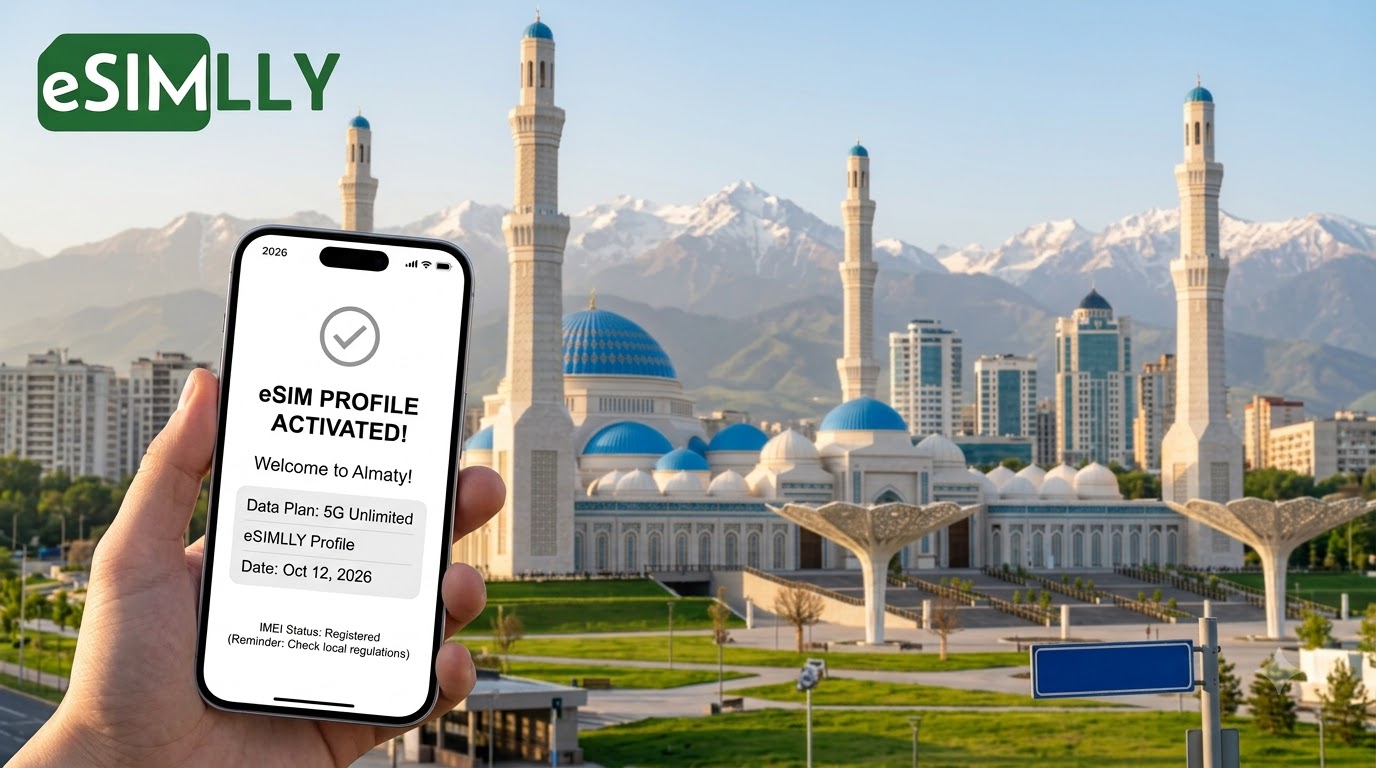
Beeline, Kcell or Tele2? Why foreign phones on Kazakh SIMs need IMEI registration, and when a travel eSIM is easier. Plans from $1.50.
ReadGet instant data and savings on your next trip with eSIMLLY. Simple activation, no physical SIM card needed.


