Blog
Armenia SIM Card vs eSIM: Viva, Ucom or Team? Internet Guide (2026)
Zvartnots airport SIM or eSIM? Compare Armenia's operators, tourist bundle prices and when each option makes sense. eSIM plans from $2.50.
Angelus Sharma10/5/2026
ReadStay updated with the latest insights, tips, and news about eSIM technology and global connectivity.
Montenegro isn't in EU Roam Like at Home. Compare tourist SIMs and eSIMs for Kotor, Budva and Durmitor, including cruise day stops. Plans from $2.
Zvartnots airport SIM or eSIM? Compare Armenia's operators, tourist bundle prices and when each option makes sense. eSIM plans from $2.50.
Beeline, Kcell or Tele2? Why foreign phones on Kazakh SIMs need IMEI registration, and when a travel eSIM is easier. Plans from $1.50.
Do you need to register your phone's IMEI in Uzbekistan? Local SIM vs eSIM for Tashkent, Samarkand, Bukhara and Khiva. eSIM plans from $2.
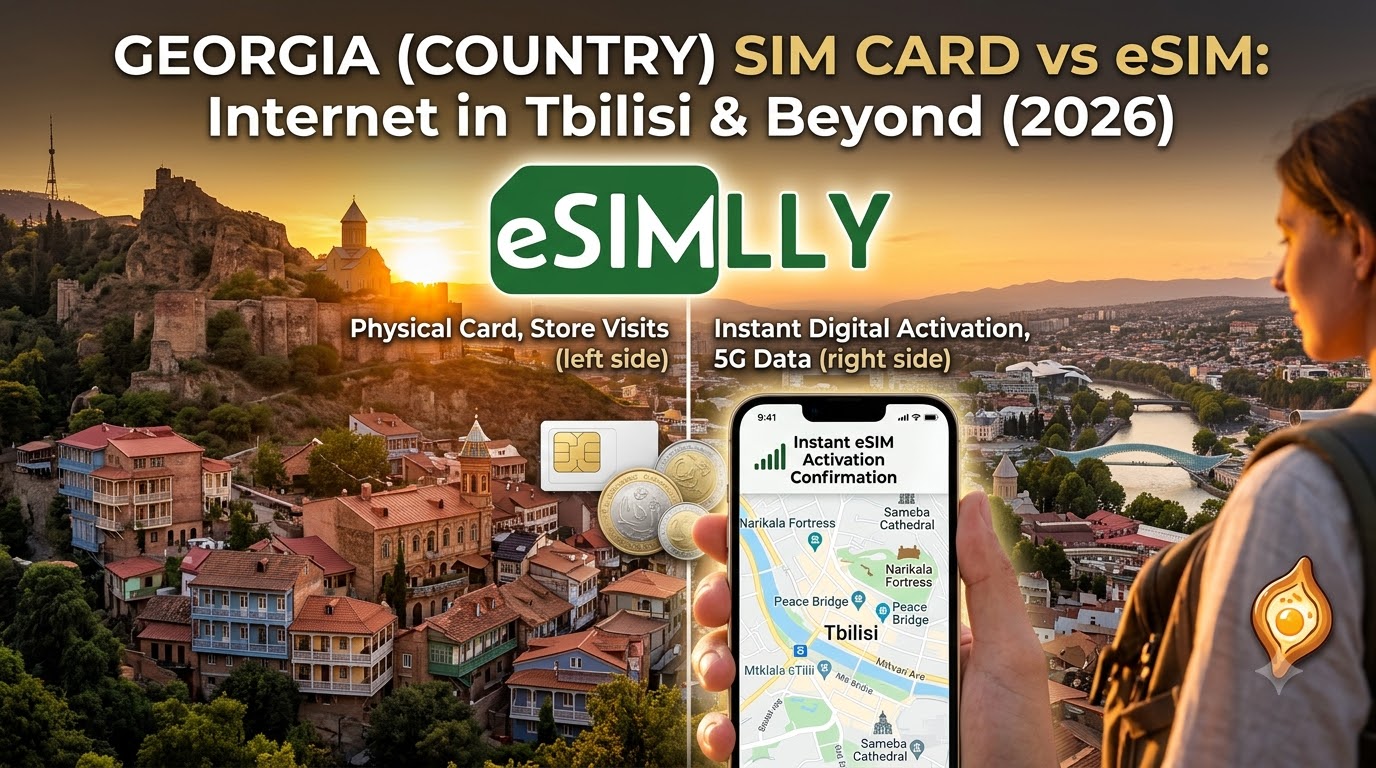
Magti, Silknet or Cellfie? Airport SIM or eSIM? How to get mobile data in Georgia, from Tbilisi to Kazbegi. eSIM plans from $2.50.
Magti, Silknet or Cellfie? Airport SIM or eSIM? How to get mobile data in Georgia, from Tbilisi to Kazbegi. eSIM plans from $2.50.
Magti, Silknet or Cellfie? Airport SIM or eSIM? How to get mobile data in Georgia, from Tbilisi to Kazbegi. eSIM plans from $2.50.
Magti, Silknet or Cellfie? Airport SIM or eSIM? How to get mobile data in Georgia, from Tbilisi to Kazbegi. eSIM plans from $2.50.
Magti, Silknet or Cellfie? Airport SIM or eSIM? How to get mobile data in Georgia, from Tbilisi to Kazbegi. eSIM plans from $2.50.
Magti, Silknet or Cellfie? Airport SIM or eSIM? How to get mobile data in Georgia, from Tbilisi to Kazbegi. eSIM plans from $2.50.
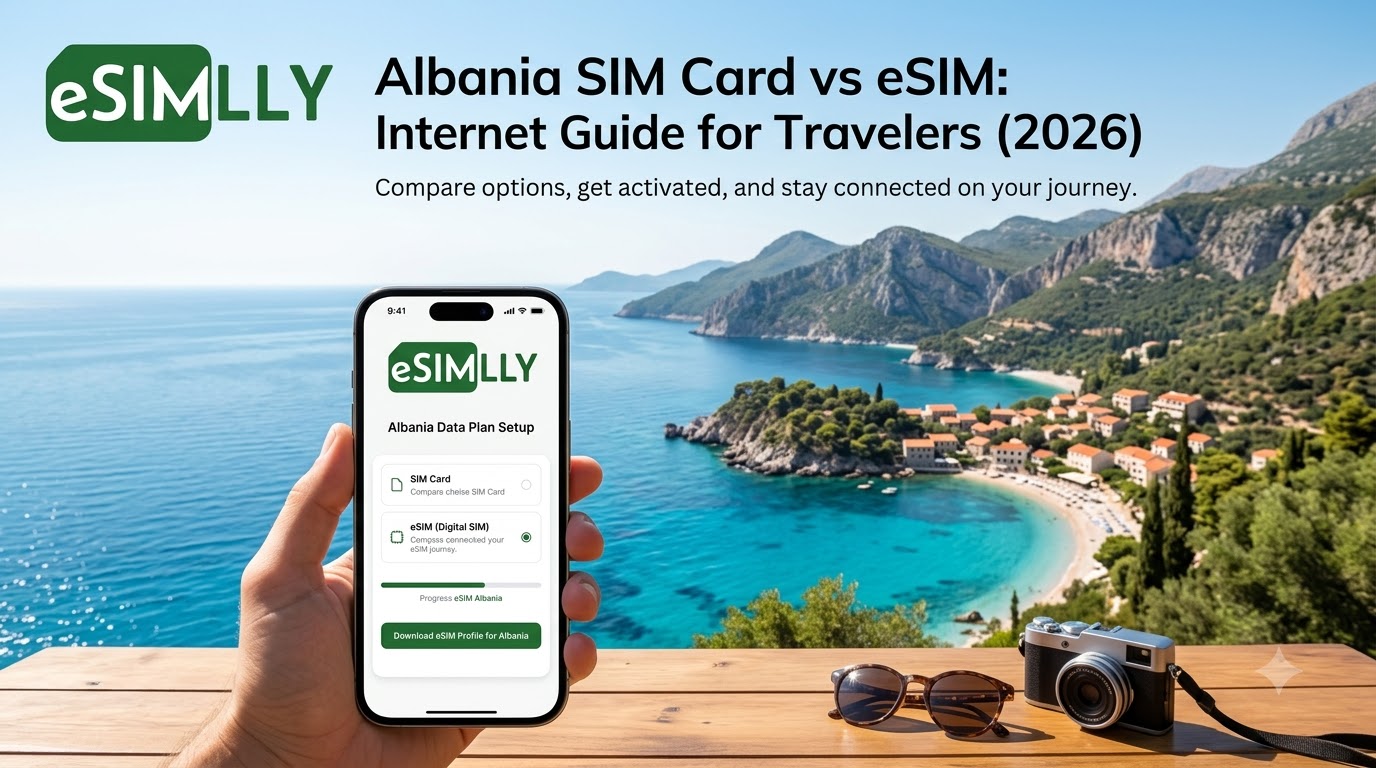
Vodafone or One? Airport SIM or eSIM? How to get mobile data in Albania, what it costs, and where signal drops. eSIM plans from $2.
If you're using a travel eSIM while travelling abroad, one question that can cause concern is: What happens when my eSIM data runs out? The simple answer is that your mobile-data connection will generally stop once you have used all the data included in your plan. For example, if you purchased a 10 GB travel eSIM and use all 10 GB before your plan expires, you will normally no longer be able to access the internet through that eSIM until you add more data, purchase another plan, or connect to Wi-Fi.
If you're travelling internationally with an eSIM, one situation you don't want to discover unexpectedly is that your mobile data has reached zero. So, what happens when your eSIM data runs out? In most cases, your eSIM's included mobile-data service will stop working once you have used all of the data included in your plan. You may no longer be able to browse the internet, use Google Maps, send WhatsApp messages over mobile data, or use other online apps unless you connect to Wi-Fi or add more data.
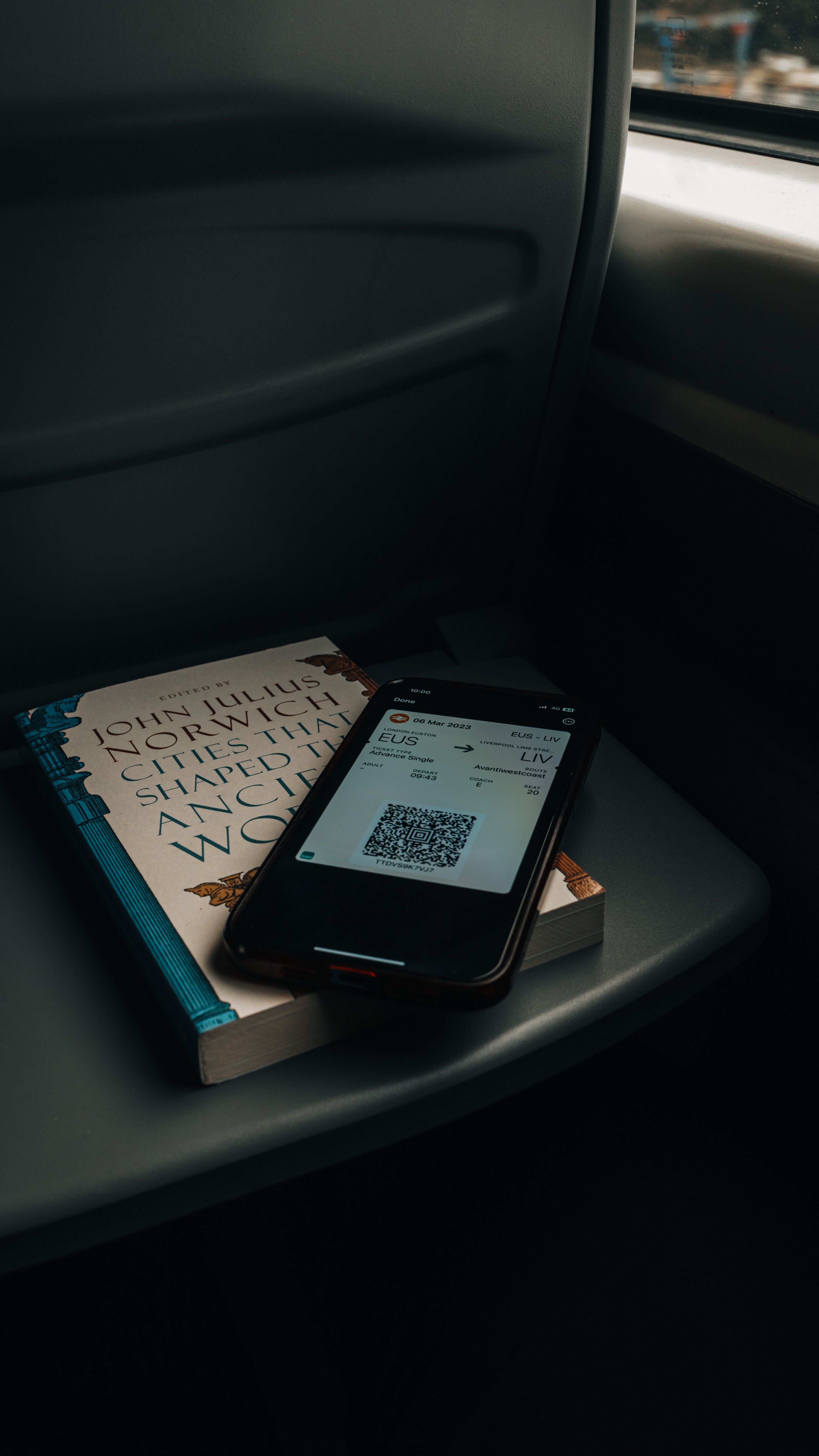
If you're planning to use an eSIM for travel, you may wonder: How long does an eSIM last? The answer depends on what you mean by "eSIM." An eSIM profile is the digital SIM profile installed on your smartphone. A travel eSIM plan is the data service associated with that profile. The plan usually has a defined validity period, while the profile itself may remain stored on your device after the plan has expired.

If you are new to eSIM technology, you may wonder: Do eSIMs expire? The short answer is yes, an eSIM plan can expire, but the eSIM profile and the plan's validity are not necessarily the same thing. When people talk about an eSIM expiring, they are usually referring to the data plan's validity period. For example, a travel eSIM might provide 5 GB of data for 15 days or 10 GB for 30 days.
If you have purchased a travel eSIM for an upcoming trip, one of the most common questions is: When should I install my travel eSIM? The simple answer is: in most cases, you can install your travel eSIM before you leave for your trip, preferably while you have reliable Wi-Fi. However, there is an important difference between installing an eSIM and activating or using the eSIM plan. Depending on the specific eSIM provider and plan, installing the eSIM does not necessarily mean that your plan's validity period has started.

If you are planning an international trip, one of the easiest ways to stay connected is to use a travel eSIM. But a common question travelers have is: When should I buy an eSIM before travelling? The good news is that you usually do not need to wait until you arrive at your destination. In fact, buying your travel eSIM before your trip can make your arrival much easier, because you can install and prepare it in advance.

International roaming can make staying connected abroad unexpectedly expensive. Your phone may continue using mobile data in the background for applications, cloud synchronization, email, social media, maps, and other services even when you're not actively using your phone.

Yes, you can use your regular SIM and a travel eSIM together if your smartphone supports dual-SIM functionality. This is one of the biggest advantages of using a travel eSIM. You don't necessarily have to remove your existing physical SIM when travelling internationally.
Yes, you can make WhatsApp calls with a travel eSIM as long as your eSIM provides an active mobile data connection and WhatsApp calling is available in your location. This is one of the biggest advantages of using a data-only travel eSIM. You don't necessarily need a traditional local phone number to communicate with family, friends, or colleagues while travelling.
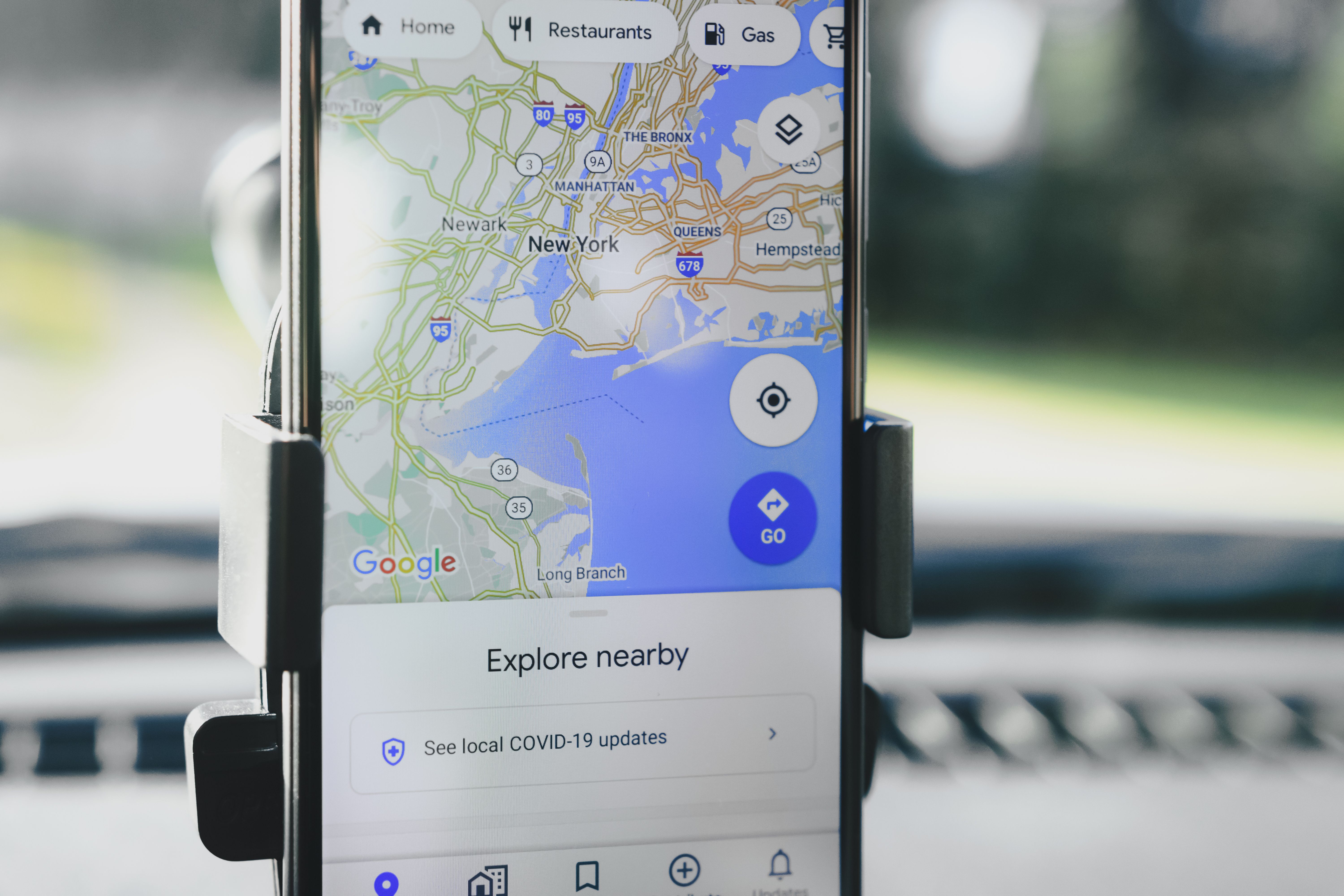
Yes, you can use Google Maps with a travel eSIM. In fact, navigation is one of the most useful reasons to have a travel eSIM when travelling internationally. When you're in a new country, you may need Google Maps to find your hotel, navigate public transportation, locate restaurants, find tourist attractions, or get directions to the airport.

If you have never used an eSIM before, you may wonder: How does a travel eSIM actually work? Unlike a traditional SIM card, a travel eSIM does not require you to insert a physical card into your smartphone. Instead, the eSIM profile is downloaded digitally to your compatible device and used to connect to a supported mobile network.

If you are planning an international trip, you may have heard the term data-only eSIM. But what exactly does it mean, and how does it work? A data-only eSIM is an eSIM plan that primarily provides mobile internet connectivity rather than a traditional mobile phone number for voice calls and SMS.

Choosing the right travel eSIM can make international travel much easier. Instead of buying a physical SIM card after landing, dealing with airport SIM counters, or paying expensive international roaming charges, you can install an eSIM before your trip and connect as soon as you arrive.

Planning an international trip and looking for the best eSIM for travel? Choosing an eSIM should be simple: select your destination, choose the amount of data you need, purchase your plan, install your eSIM, and stay connected when you arrive.

Planning a 14-day international trip and wondering how much mobile data you actually need? Choosing the right amount of data for a two-week vacation can be tricky. Buy too little and you could run out of data halfway through your trip. Buy too much and you may pay for data you never use. The right amount depends on how you use your phone, how much Wi-Fi you have access to, whether you're using maps and travel apps, and whether you stream videos or use your phone as a hotspot.

Planning a 7-day vacation and wondering how much mobile data you need? You're not alone. Choosing the right amount of data for a trip can be surprisingly difficult. Buy too little and you may run out of data when you need Google Maps, translation, messaging, or transportation apps. Buy too much and you may end up paying for data you never use.

Planning a trip to Japan with your iPhone 18? One of the first things you should arrange before your flight is reliable mobile internet. From navigating Tokyo's train system to translating Japanese menus, booking hotels, checking restaurant reviews, using Google Maps, messaging friends, and sharing your travel photos, having mobile data can make your Japan trip much easier.

If you purchased an iPhone 18 in the United States and are planning to travel internationally, you may be wondering whether your phone will work outside the US. The short answer is yes, a US iPhone 18 can generally be used internationally, but there are a few important things to check before your trip.

Traveling abroad with an iPhone 18 is easier than ever, but international roaming can still create an unpleasant surprise on your mobile bill. The good news is that you do not necessarily need to rely on expensive roaming when traveling internationally. With the right iPhone settings and a travel eSIM, you can stay connected to mobile data while reducing the risk of unexpected roaming charges.
Traveling abroad with an iPhone 18 can be incredibly convenient, especially with the growing availability of eSIM technology. Instead of depending entirely on expensive international roaming, travelers can use a travel eSIM to stay connected to mobile data while exploring another country.
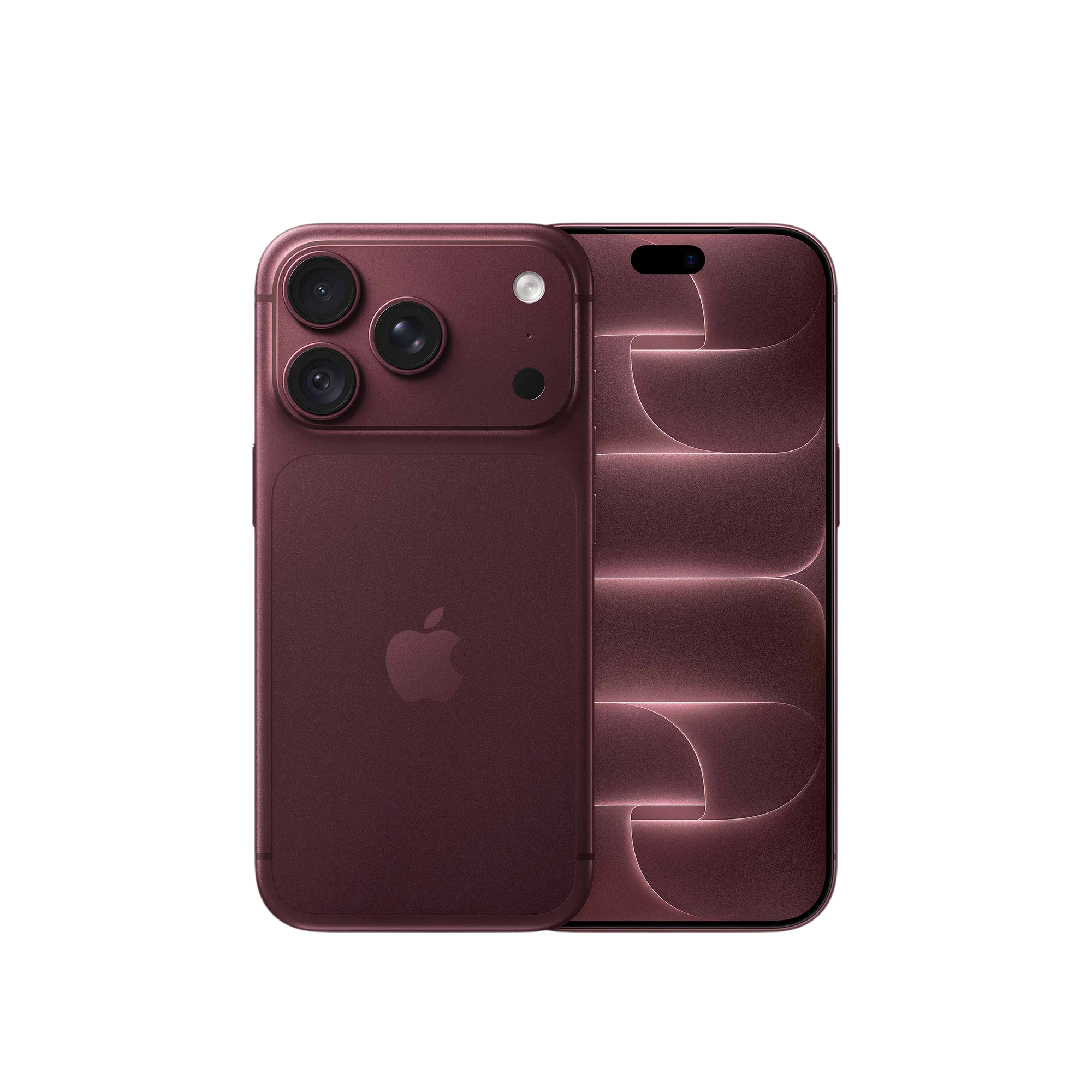
Traveling internationally with the new iPhone 18 can be much easier when you have the right mobile data plan. Instead of relying on expensive international roaming, searching for a physical SIM after landing, or spending time at an airport telecom counter, you can use a travel eSIM and arrange your connectivity before your trip.
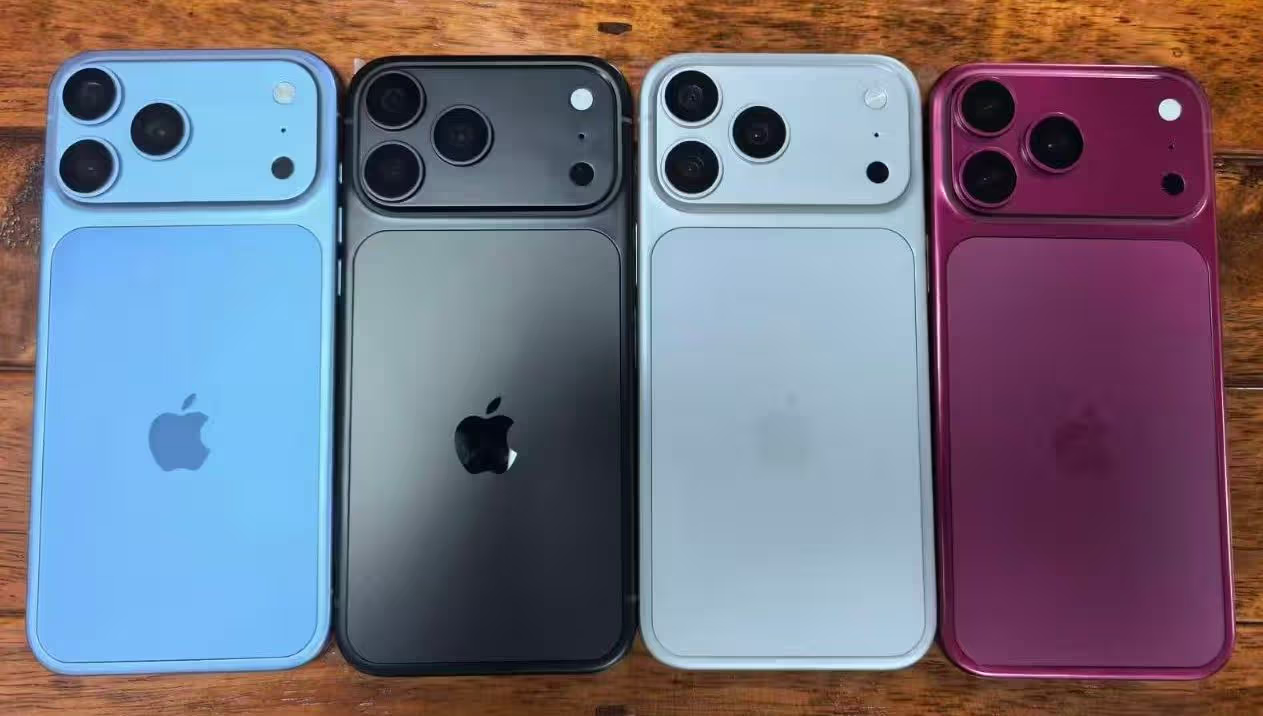
Traveling internationally with the new iPhone 18 can be much easier when you have the right mobile data plan. Instead of relying on expensive international roaming, searching for a physical SIM after landing, or spending time at an airport telecom counter, you can use a travel eSIM and arrange your connectivity before your trip.
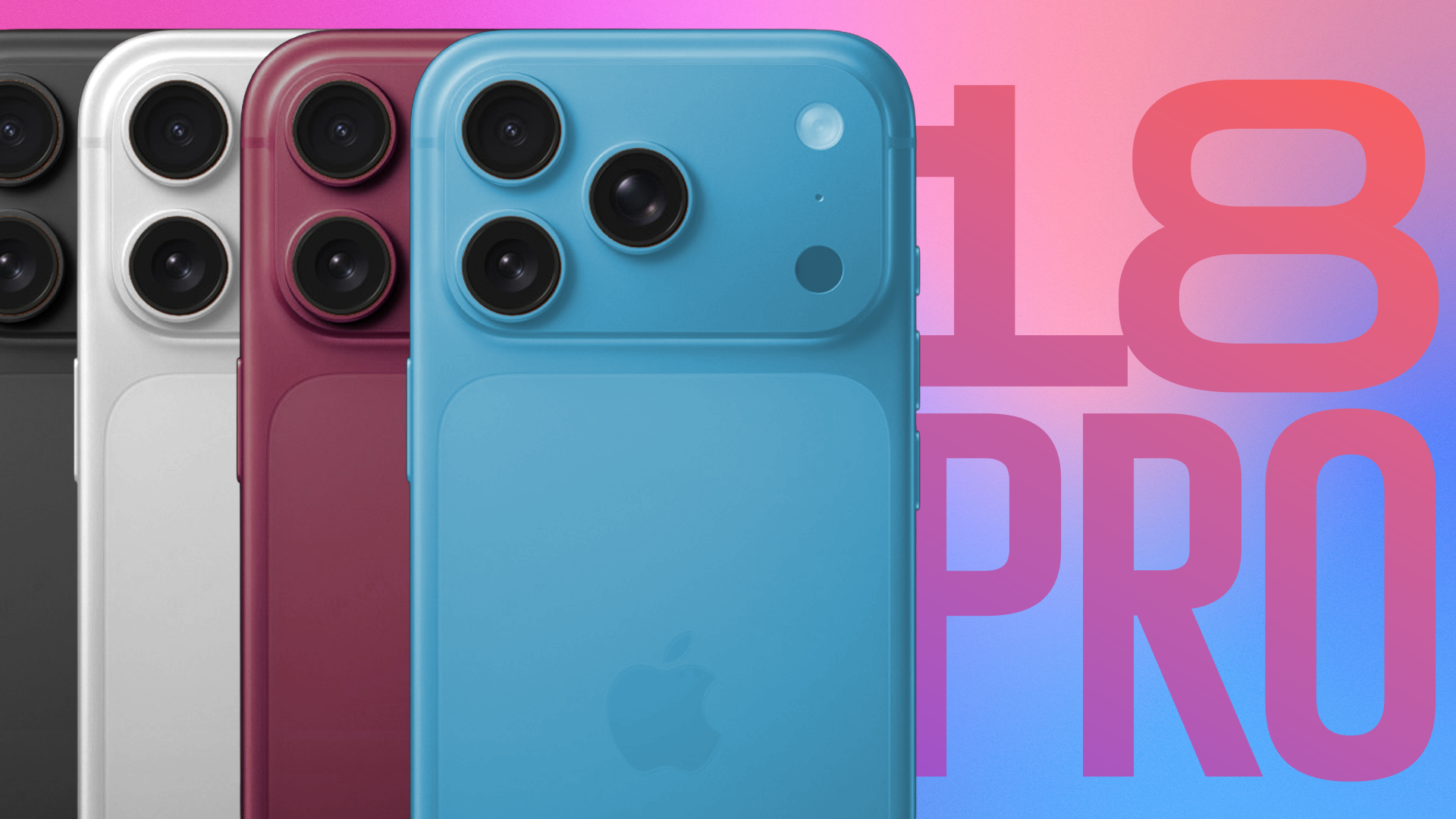
The iPhone 18 Pro Max is designed for people who want a powerful smartphone without compromising on connectivity. One of its most useful features for modern travelers is eSIM support, which allows you to activate a compatible mobile plan digitally instead of relying entirely on a physical SIM card.
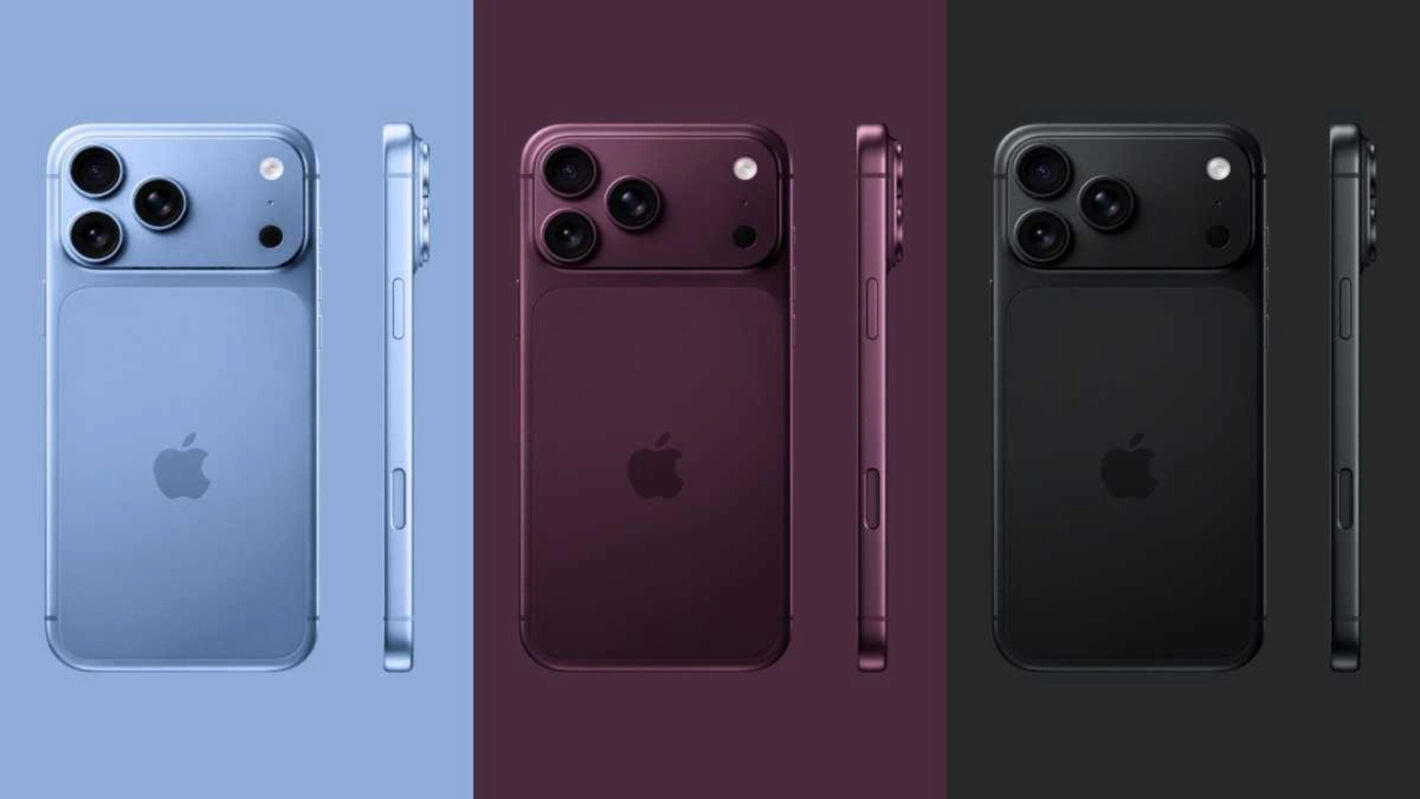
The iPhone 18 Pro takes mobile connectivity further with built-in eSIM technology, giving users a convenient way to activate cellular service without depending entirely on a physical SIM card. For travelers, this is particularly useful. Instead of buying a physical SIM after landing in another country, you can purchase a travel eSIM, install it on your iPhone 18 Pro, and use it for mobile data while abroad.
The new iPhone 18 makes staying connected easier than ever, especially if you use an eSIM. Instead of inserting a physical SIM card, you can download a cellular plan directly onto your iPhone and activate it digitally. This is particularly useful when traveling internationally because you can purchase a travel eSIM before your trip and get connected without searching for a SIM card after landing.

If you're planning to buy the new iPhone 18, one of the most important questions to ask is: Is the iPhone 18 eSIM only? The answer is a little more complicated than simply saying yes or no. Apple is continuing its transition toward eSIM technology, but the SIM configuration of the iPhone 18 family depends on the model and the country or region where the device is purchased. For the latest iPhone 18 Pro and iPhone 18 Pro Max, Apple confirms that eSIM-only versions are available in specific markets, including the United States, Canada, Japan, the UAE, Saudi Arabia, Bahrain, Kuwait, Qatar, Oman, Mexico, Guam, and the U.S. Virgin Islands. In other markets, iPhone 18 Pro models continue to support a physical nano-SIM together with eSIM.

If you are planning to buy the new iPhone 18 or already have one in your hands, one of the first questions you may have is: Does iPhone 18 support eSIM? The short answer is yes, the iPhone 18 supports eSIM technology, making it possible to connect to a compatible mobile network without inserting a traditional physical SIM card. For travelers, this can be particularly useful because an eSIM allows you to purchase a mobile data plan before reaching your destination and activate it directly on your iPhone.
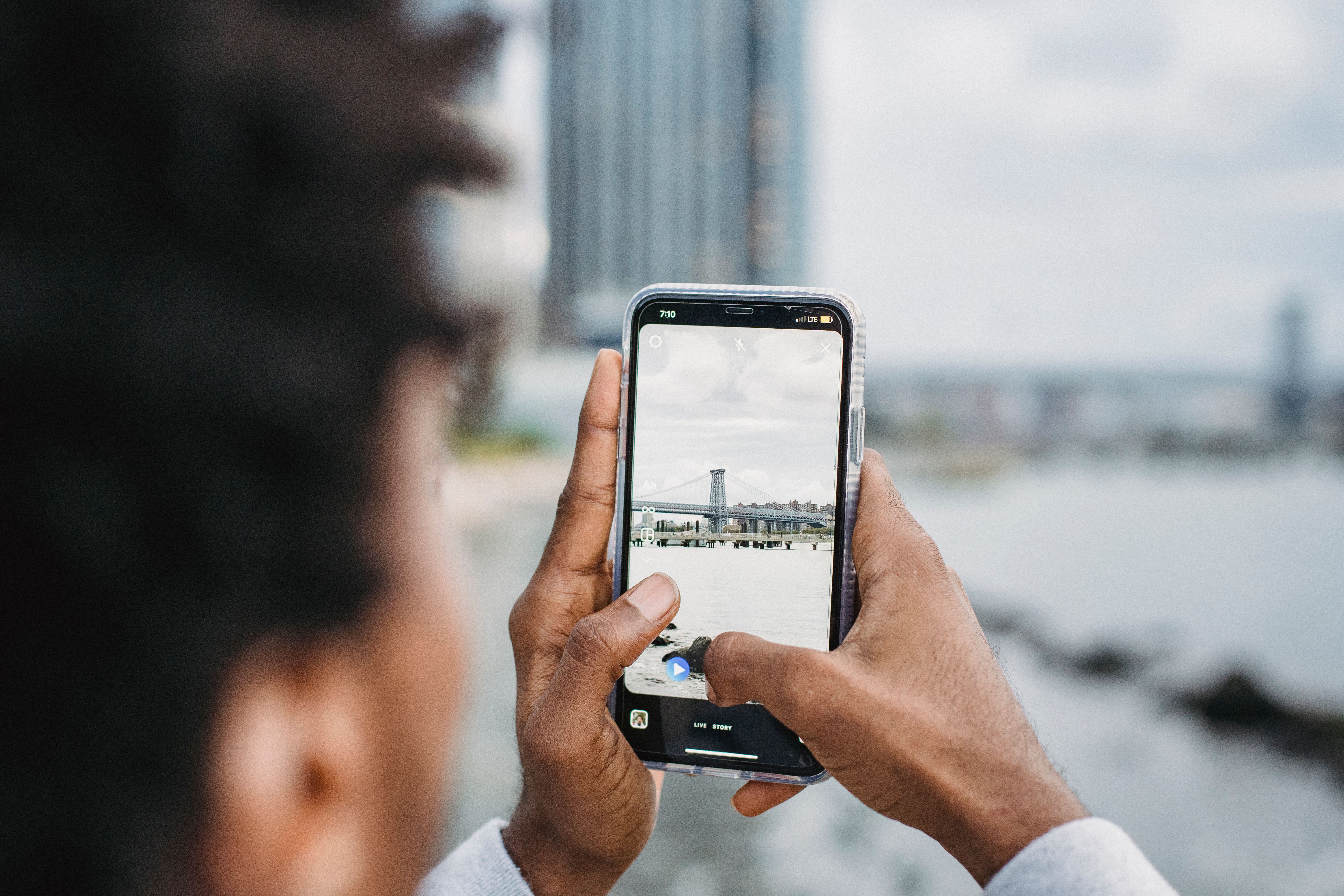
Apple introduced a simpler way to install an eSIM with iOS 17.4 and later. Instead of scanning an eSIM QR code or entering the activation details manually, users can install an eSIM by opening a specially generated link on their iPhone.

Travelling with a laptop, tablet, or another connected device often creates one simple problem: how do you get internet without relying on public Wi-Fi? This is where mobile hotspot and tethering can be extremely useful. If your smartphone supports an eSIM (embedded SIM), you may be able to use its mobile data connection to provide internet access to other devices. Whether you're working from a hotel, navigating a new city, or travelling with family, an eSIM with hotspot support can make staying connected much easier.

eSIM technology has made staying connected while travelling much easier. Instead of inserting a physical SIM card into your phone, you can download a mobile plan directly to an eSIM-compatible device. But there is one common question travellers often have: Can you use the same eSIM on multiple devices? The short answer is usually no. Most eSIM plans are designed to be installed and used on one device at a time.

One of the biggest advantages of an eSIM (embedded SIM) is that you don't have to deal with tiny plastic SIM cards every time you travel. But once your holiday is over and you return home, an important question comes up: can you reuse the same eSIM on your next trip? The answer is sometimes. Whether you can reuse an eSIM depends on the provider, the specific plan, its validity period, and whether the eSIM profile remains installed on your phone.

Travelling internationally is easier when you can switch mobile plans without carrying a collection of tiny plastic SIM cards. With an eSIM (embedded SIM), you can download a mobile plan directly to your compatible Android phone and switch between plans digitally.
eSIMs have made international travel much easier. Instead of carrying several physical SIM cards, you can store digital SIM profiles directly on a compatible iPhone and switch between them when needed. But there is an important distinction between how many eSIMs an iPhone can store and how many eSIMs it can use at the same time. These are not necessarily the same thing.

Planning a trip across several countries sounds exciting—until you start thinking about mobile connectivity. Different countries can mean different SIM cards, different providers, different prices, and a surprising amount of time spent hunting for connectivity.

Planning a trip across several countries often raises one practical question: Can I use the same eSIM in multiple countries? The short answer is sometimes. It depends on the type of eSIM plan you purchase. Some travel eSIMs are designed for a single destination, while regional and multi-country eSIM plans can provide connectivity across several countries without requiring you to install a new eSIM every time you cross a border.

Staying connected abroad no longer means choosing between expensive roaming and a physical SIM card. With a travel eSIM, you can get mobile connectivity directly on a compatible smartphone without visiting a store or replacing your existing SIM.

When travelling abroad, staying connected is no longer optional. You need mobile data for maps, translation apps, ride-hailing, hotel bookings, travel information, messaging, and keeping in touch with family and friends.
When travelling abroad, staying connected is no longer optional. You need mobile data for maps, translation apps, ride-hailing, hotel bookings, travel information, messaging, and keeping in touch with family and friends.

Staying connected has become a basic part of international travel. From using Google Maps and booking taxis to translating menus, checking flight updates, messaging family, and sharing photos, mobile data can make travelling much easier.

Travel in 2026 is becoming less about simply choosing a destination and more about choosing how you want to experience it. Travellers are looking for cooler climates, wellness experiences, active holidays, immersive entertainment, unique accommodation, and journeys where the route itself becomes part of the adventure.

When summer temperatures start climbing across Europe, travellers are looking for a different kind of holiday. Instead of crowded beaches and sweltering city streets, more people are heading towards mountains, lakes, forests, and cooler climates.

Taipei Pride is far more than a parade. Every autumn, Taiwan's capital fills with rainbow flags, music, performances, community events, and visitors from around the world. With hundreds of thousands of people expected to take part, it has become one of Asia's biggest and most recognizable Pride celebrations.
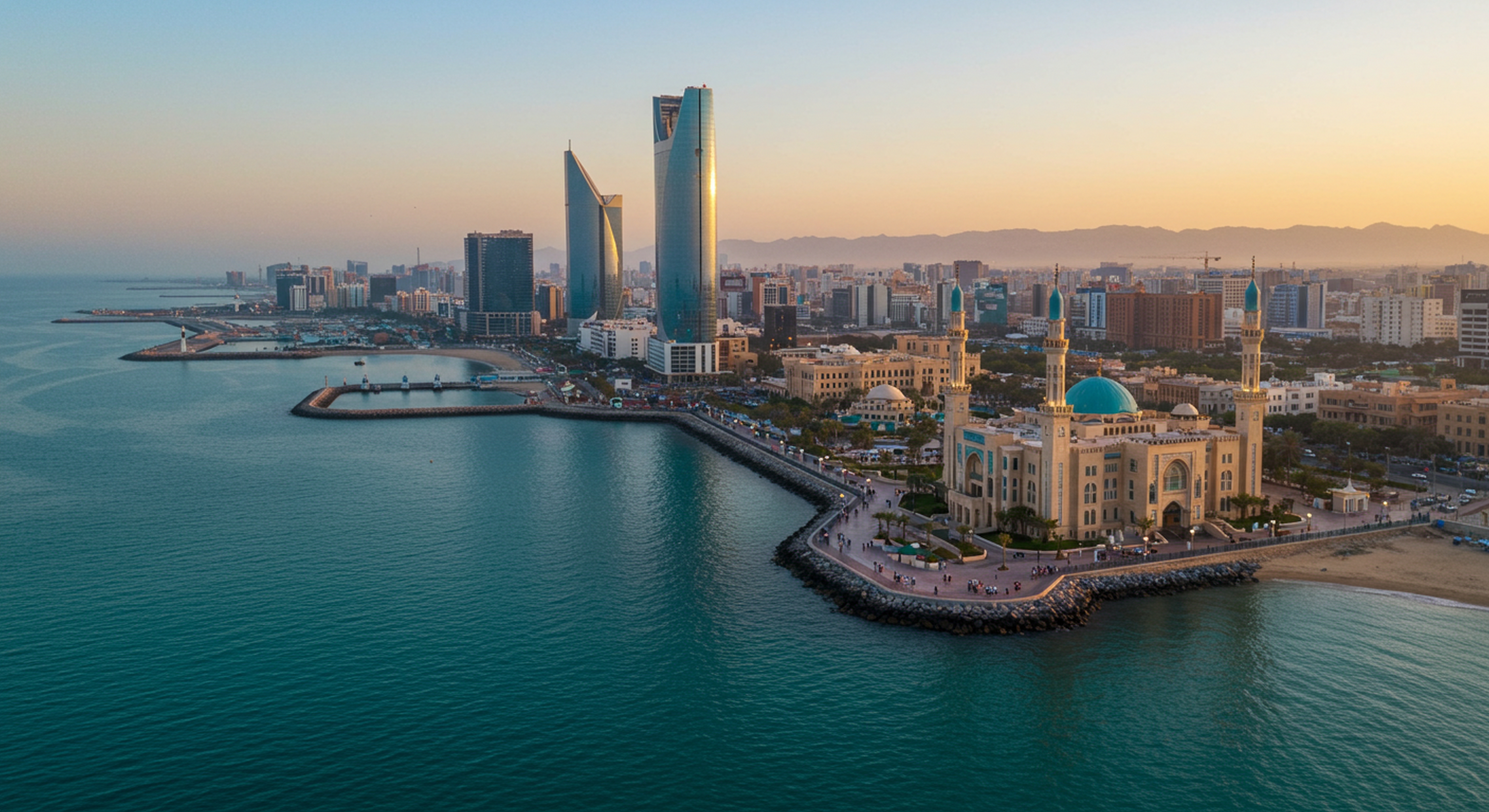
If you're searching for an emerging travel destination for 2026 or 2027, Kazakhstan deserves a serious look. The world's largest landlocked country combines futuristic cities, vast steppes, dramatic mountains, turquoise lakes, ancient traditions, and a fascinating blend of European and Asian influences.
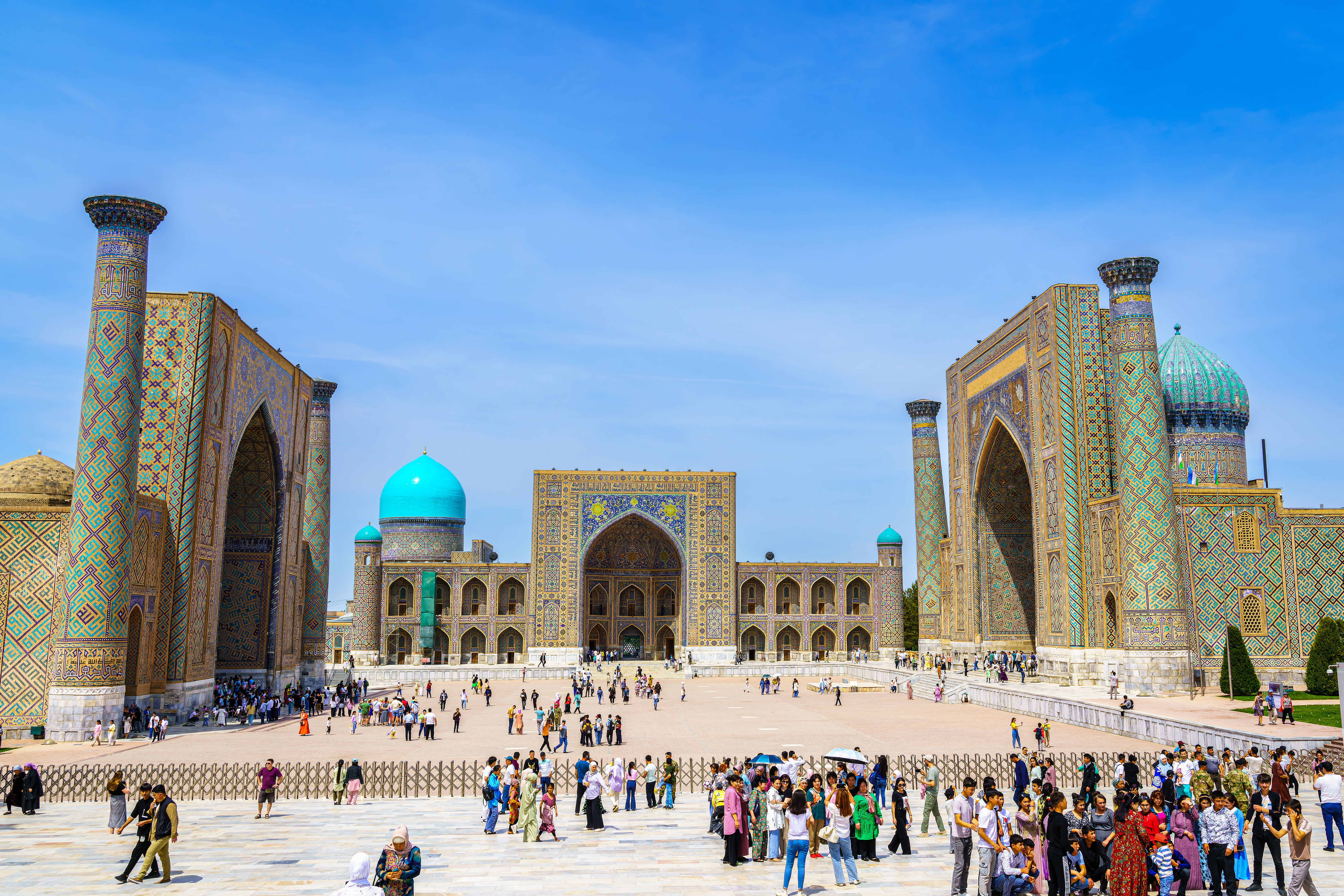
Looking for an emerging destination to visit in 2026 or 2027? Uzbekistan deserves a spot on your travel list. With ancient Silk Road cities, spectacular Islamic architecture, colourful bazaars, incredible food, and dramatic landscapes, the country offers a unique travel experience without the overwhelming crowds found in many traditional tourist destinations.

Japan's famous cherry blossoms may get most of the international attention, but autumn offers something equally spectacular. Every year, Japan transforms into a landscape of fiery red maples, golden ginkgo trees and orange mountain forests. Known as koyo, Japan's autumn foliage season attracts travellers from around the world.

International travel is changing fast. Not long ago, arriving in another country often meant long immigration queues, paperwork, searching for Wi-Fi, and then hunting for a local SIM card. Dubai is helping change that. Its new “Click and Travel” mobile immigration service is designed to make airport processing faster and more flexible, using mobile technology and biometric verification. It is another sign of where international travel is heading:
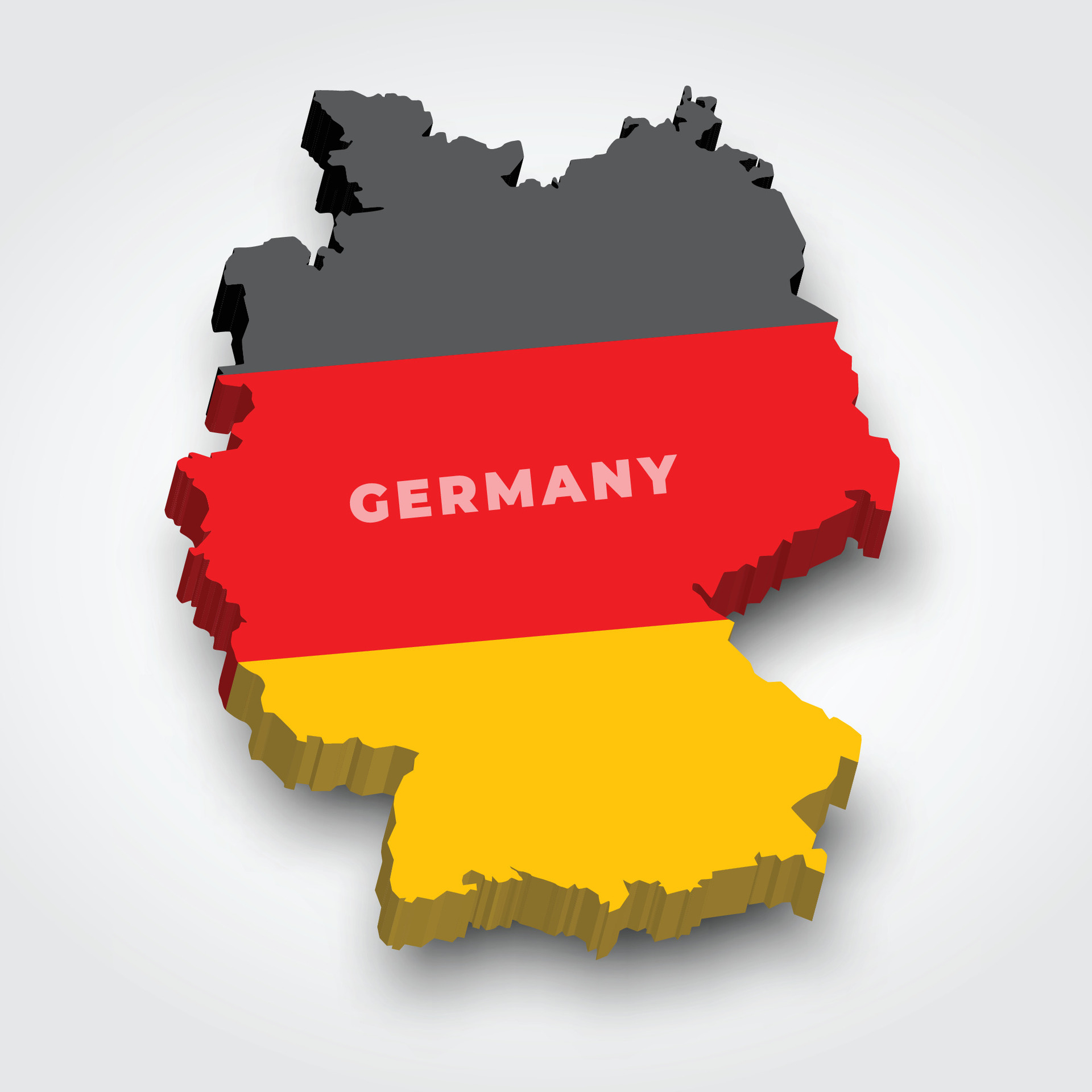
The Berlin Marathon is one of the biggest running events in the world, attracting elite athletes and thousands of runners from across the globe.

Planning a Caribbean getaway? Whether you're island hopping, relaxing on a beach, exploring local towns, or taking a cruise, having reliable mobile data can make your trip much easier. From checking maps and booking transportation to sharing your beach photos and staying in touch with family, your phone is likely to be one of your most useful travel companions.
If you're planning a trip to Thailand in April, you've picked one of the country's most exciting times of year. Songkran, Thailand's traditional New Year celebration, is famous around the world for its enormous water fights. But there's much more to the festival than getting soaked in the streets. Songkran is a time for family, spiritual cleansing, cultural traditions, food, music and celebration. From the packed streets of Bangkok to the historic atmosphere of Chiang Mai and Ayutthaya, every destination brings its own character to the festivities.
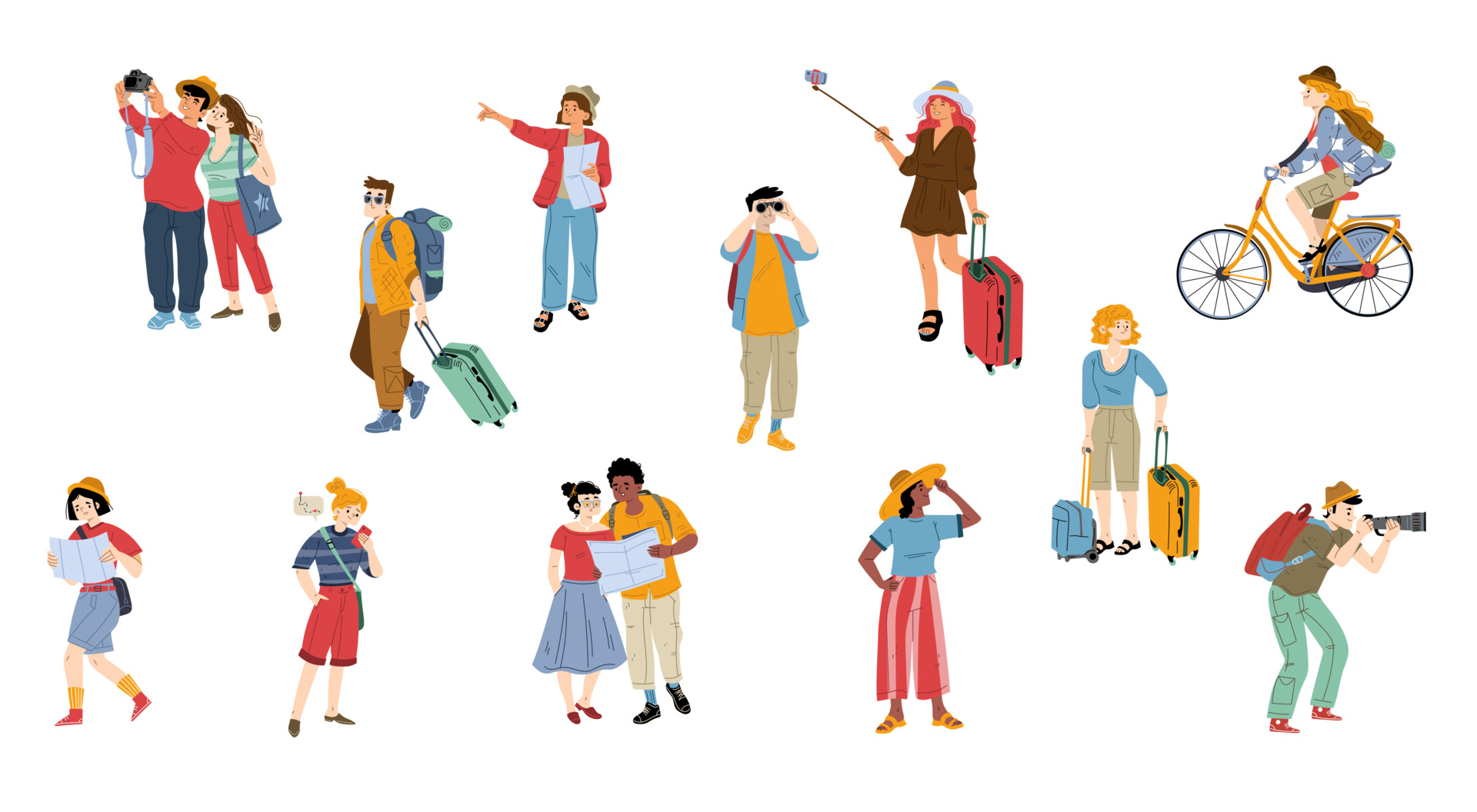
Travel in 2026 is changing. People are no longer travelling simply to visit famous landmarks and tick destinations off a list. They are choosing trips around experiences, personal interests, wellness, entertainment, nature, food, and even the journey itself. From escaping summer heat in cooler destinations to travelling for concerts, sporting events and pop-culture conventions, today's travellers are finding new reasons to pack their bags. Here are some of the biggest travel trends shaping 2026—and ideas to inspire your next trip.

The UCI Road World Championships 2026 are coming to Montreal, Canada, from September 20 to September 27, 2026, bringing the world's best road cyclists together for one of the biggest events on the international cycling calendar. For one week, Montreal will become a global centre of road cycling, with elite riders competing for the coveted rainbow jersey across road races and time trials.

The Asian Games 2026 are coming to Japan from September 19 to October 4, 2026, bringing thousands of athletes from across Asia together for one of the biggest multi-sport events in the world. Hosted by Aichi-Nagoya, Japan, the 20th Asian Games will feature around 43 sports, covering everything from athletics and swimming to cycling, gymnastics, esports, martial arts, team sports, and more.

The World Athletics Ultimate Championship 2026 is bringing a completely new kind of track and field competition to Budapest, Hungary, from September 11 to September 13, 2026. This groundbreaking athletics event is designed to answer one question: who is the best of the best? Instead of following the traditional World Athletics Championship format, the Ultimate Championship brings together Olympic champions, world champions, Diamond League winners, and the best-performing athletes of the season for three evenings of intense competition. Around 400 elite athletes will compete across 28 events, with no conventional heats or qualification rounds taking time away from the main show.
The World Athletics Ultimate Championship 2026 is bringing a completely new kind of track and field competition to Budapest, Hungary, from September 11 to September 13, 2026. This groundbreaking athletics event is designed to answer one question: who is the best of the best? Instead of following the traditional World Athletics Championship format, the Ultimate Championship brings together Olympic champions, world champions, Diamond League winners, and the best-performing athletes of the season for three evenings of intense competition. Around 400 elite athletes will compete across 28 events, with no conventional heats or qualification rounds taking time away from the main show.

The Solheim Cup 2026 is coming to the Netherlands from September 11 to September 13, 2026, bringing the best women’s golfers from Europe and the United States together for one of the biggest team competitions in women’s golf.
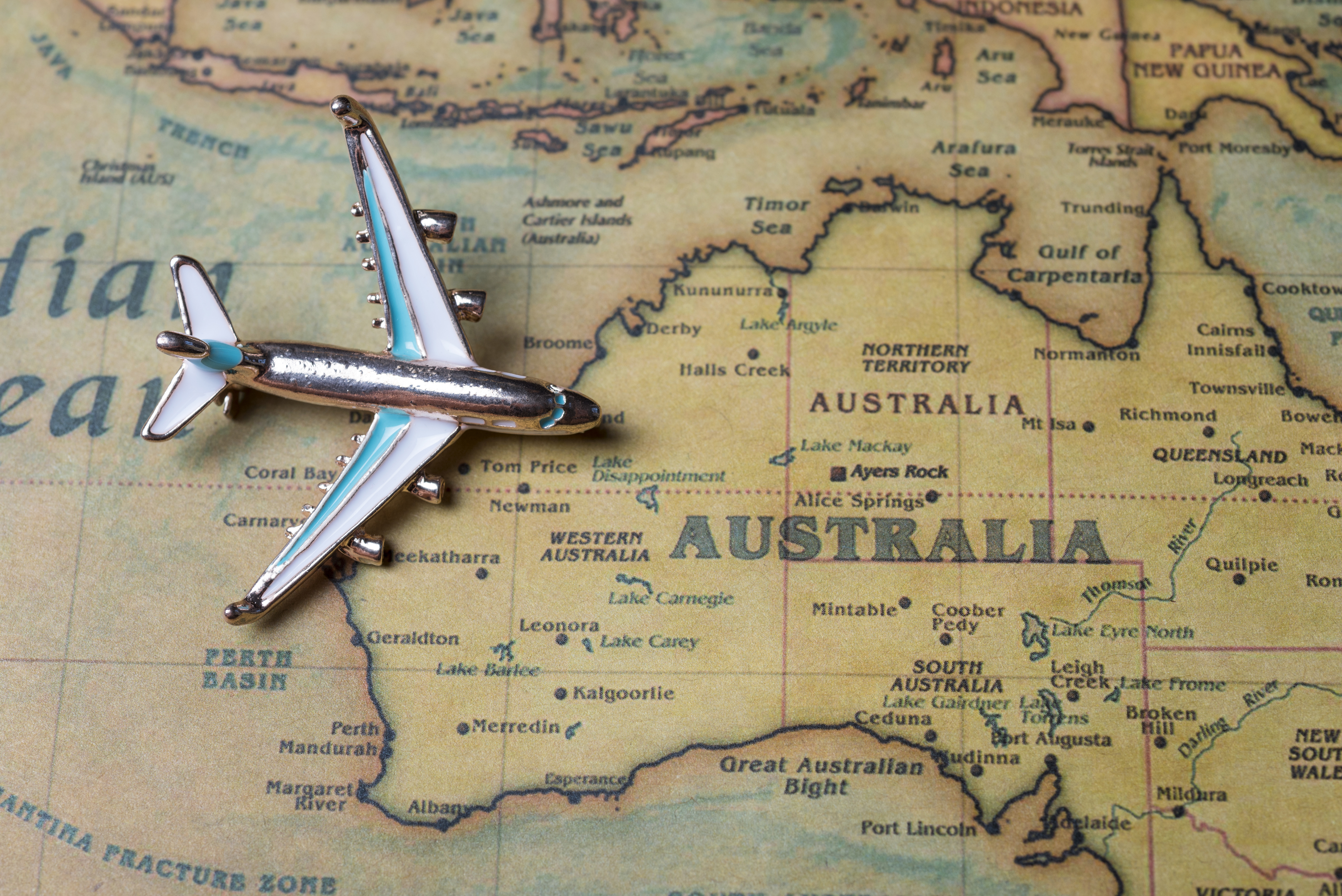
The 2026 NFL regular season is set to be one of the most international seasons in league history. The season officially begins in September, with the NFL Kickoff Game scheduled for September 9, 2026, followed immediately by a historic international matchup in Australia. On September 10 in U.S. time zones — September 11 in Melbourne — the San Francisco 49ers will face the Los Angeles Rams at the Melbourne Cricket Ground (MCG) in the NFL's first-ever regular-season game in Australia.

The FIFA U-20 Women’s World Cup Poland 2026 is set to bring the next generation of women's football stars to Poland from September 5 to September 27, 2026. The 12th edition of the FIFA U-20 Women’s World Cup will feature 24 of the world's best U-20 women's national teams, competing across four Polish host cities. Matches will take place in Łódź, Bielsko-Biała, Katowice, and Sosnowiec, giving international football fans an opportunity to combine world-class youth football with a trip through some of Poland's most interesting cities.

The FIBA Women’s Basketball World Cup 2026 is coming to Berlin, Germany, from September 4 to September 13, 2026, bringing the world's best women's national basketball teams together for ten days of elite international basketball. For basketball fans travelling to Germany, this is more than just a sporting event. It is a chance to experience world-class basketball, explore Berlin, meet fans from around the globe, and enjoy one of Europe's most exciting capital cities.
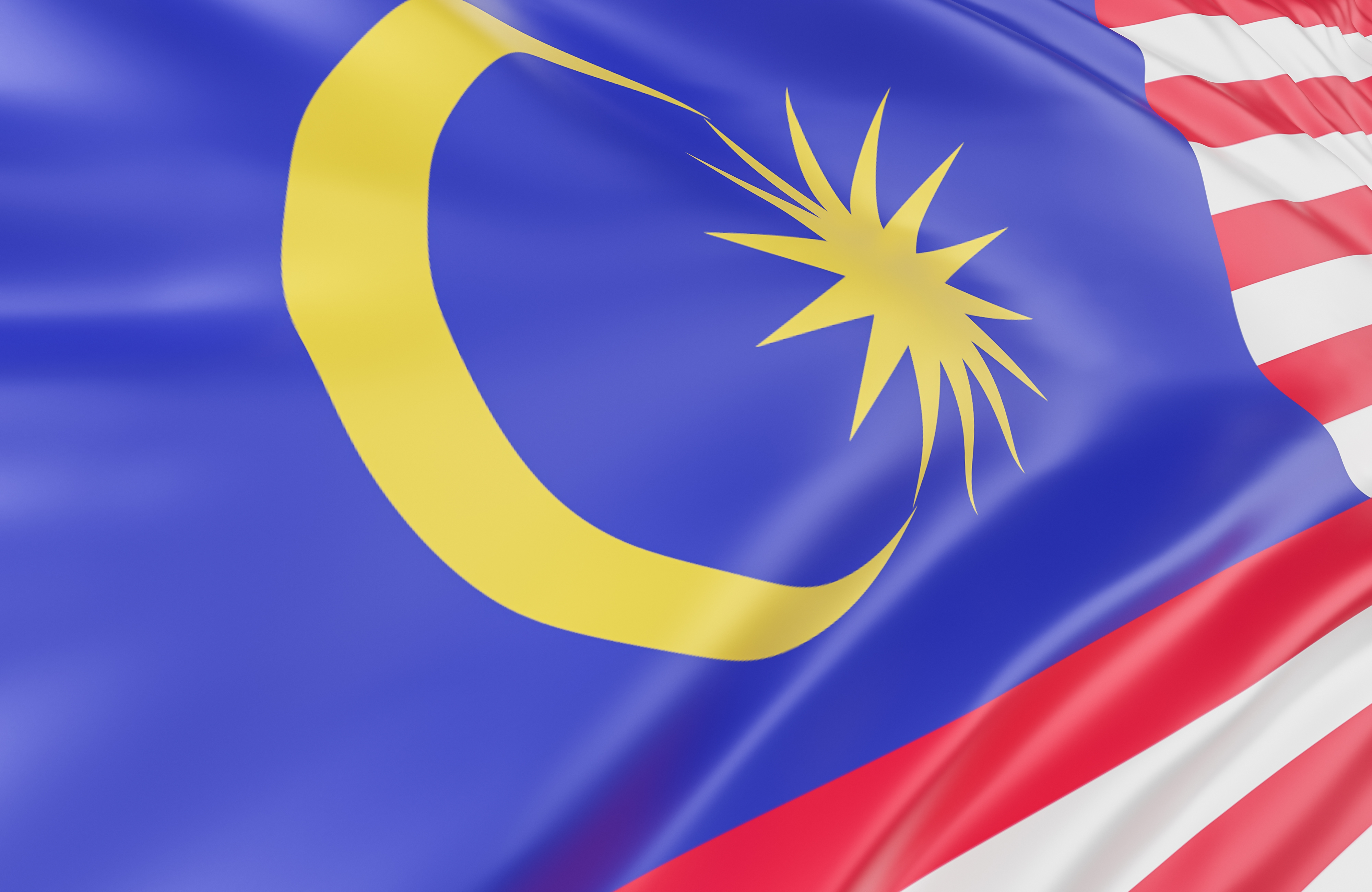
Every year on August 31, Malaysia comes alive with one of its most important national celebrations: Hari Merdeka, or Malaysia Independence Day. Streets are decorated with the national colours, flags fly from buildings and vehicles, and cities across the country host events celebrating Malaysia's history, culture, and national identity.

Sri Lanka is famous for its ancient Buddhist heritage, beautiful temples, and vibrant religious traditions. Among its important Buddhist observances is Nikini Poya, the full-moon day of the Nikini month in the traditional Buddhist calendar. In 2026, Nikini Poya falls on August 21, making it an important date for travellers visiting Sri Lanka in late August. Across the island, Buddhist communities observe the day through temple visits, meditation, chanting, religious ceremonies, and acts of generosity.

If you are looking for an unforgettable festival experience in London, Notting Hill Carnival should be high on your list. Every August, the streets of West London come alive with Caribbean music, colourful costumes, steel pan performances, dancing, food stalls, and one of Europe's biggest street celebrations.

Late summer brings some of the most fascinating traditional celebrations across East Asia. Among them, the Qixi Festival, often called Chinese Valentine's Day, celebrates the legendary love story of the Weaver Girl and the Cowherd. At the same time, the Hungry Ghost Festival period brings a very different atmosphere, with traditional offerings, performances, rituals, lanterns, and ceremonies taking place across parts of China and other East Asian communities.

If you are looking for one of the wildest, messiest, and most unforgettable festivals in Spain, La Tomatina belongs at the top of your list. Every year, the small town of Buñol, near Valencia, turns into a sea of red as thousands of people gather for an enormous tomato fight. In 2026, La Tomatina will take place on Wednesday, August 26, 2026, continuing the tradition of celebrating the festival on the last Wednesday of August. The event is officially recognised as a Festival of International Tourist Interest, attracting visitors from around the world.

The US Open 2026 returns to the USTA Billie Jean King National Tennis Center in Flushing Meadows, Queens, bringing the world's leading tennis players to New York for three weeks of competition, entertainment and one of the most energetic atmospheres in Grand Slam tennis. The official tournament dates are 23 August to 13 September 2026, with the main singles draw beginning on 30 August.

If you want to experience Fiji beyond its beaches and luxury resorts, Hibiscus Festival 2026 is one of the best events to put on your itinerary. The festival returns to Suva, Fiji, from 29 August to 5 September 2026, celebrating its 70th anniversary at its traditional home, Albert Park. The week-long celebration will combine Fijian culture, entertainment, food, sport, fashion, community activities and the famous Miss Hibiscus Pageant.

Tokyo is already one of the world's most exciting cities. Then someone decided it needed an enormous electronic music festival. That idea became Ultra Japan. The 2026 edition of Ultra Japan returns to Tokyo Odaiba Ultra Park on 19–20 September 2026, bringing two days of EDM, house and techno to Tokyo. The official festival website confirms the September 19–20 dates and lists Tokyo Odaiba Ultra Park as the venue.

If you want to discover the next big artist before everyone else does, Reeperbahn Festival 2026 is one of the places to be. Taking place from 16–19 September 2026 in Hamburg, Germany, Reeperbahn Festival transforms the city's St. Pauli district into a huge, decentralised festival environment. The official festival describes it as Europe's largest club festival and an important international platform for pop culture and the music industry.

Seattle has always had a slightly unconventional relationship with culture. It produced grunge, embraces independent art, has a serious coffee obsession and apparently decided that one ordinary festival wasn't enough. Enter Bumbershoot.

Few music festivals have a name as direct as Rock in Rio. It tells you the music. It tells you the city. And, conveniently, it tells you where you're going. The legendary Brazilian festival returns to Rio de Janeiro in September 2026, bringing another major international celebration of music and entertainment to the city. Rock in Rio 2026 will take place on 4–7 September and 11–13 September 2026 at Cidade do Rock in Rio de Janeiro, Brazil.

If huge commercial festivals with endless crowds and giant corporate stages aren't your idea of a good weekend, End of the Road Festival 2026 might be considerably more appealing. Held at the beautiful Larmer Tree Gardens near Blandford in Dorset, End of the Road is an independent UK festival known for its intimate atmosphere, eclectic music programme and combination of music, comedy, literature, cinema, workshops and art.

Imagine arriving in the middle of Nevada's Black Rock Desert and finding a temporary city that did not exist a few weeks earlier. There are streets, camps, art installations, mutant vehicles, performances, music, workshops and tens of thousands of people. Then, after several days, the city disappears.

In 2026, that relationship takes centre stage once again with the Tango Buenos Aires Festival & World Championship, one of the world's most important celebrations of tango music, dance and culture. The 2026 edition is scheduled in Buenos Aires, Argentina, from 19 August to 2 September, with the festival opening on 19 August and the World Championship beginning its competitive programme on 23 August. The city's official tourism website lists the event for 20 August–2 September, while the official 2026 regulations and government resolution establish the broader festival period as 19 August–2 September.

Imagine spending a week on Spain's Mediterranean coast with reggae, dancehall, dub, ska, international food, art, culture and thousands of music fans around you. That is Rototom Sunsplash 2026. The 31st edition of the festival takes place in Benicàssim, Castellón, Spain, from 17–22 August 2026, with a new Welcome Party on 16 August providing an extra night of music before the main six-day programme begins. The festival's 2026 theme is “The Place to Be.”

Helsinki is about to become considerably louder. Flow Festival 2026 takes place from 14–16 August 2026 in Suvilahti, Helsinki, Finland, bringing three days of music, art, food, design and culture to one of the city's most distinctive industrial environments. The official festival programme features around 150 performances across the weekend.

Japan's summer festival calendar gets considerably louder in August. Summer Sonic 2026 returns for its 25th anniversary from 14–16 August 2026, bringing major international and Japanese artists to stages in Tokyo and Osaka. The Tokyo edition takes place at ZOZO Marine Stadium & Makuhari Messe, while the Osaka edition is held at Expo '70 Commemorative Park.

Japan has plenty of festivals. Awa Odori is the one where the entire city seems to decide that sitting quietly is no longer an option. Awa Odori 2026 takes place in Tokushima City, Tokushima Prefecture, Japan, from 12–15 August 2026. The festival is one of Japan's best-known traditional performing-arts celebrations and has a history stretching back roughly 400 years. Japan's official tourism organisation lists Awa Odori as an annual festival held from 12–15 August.

Summer Breeze Open Air 2026 takes place from 12–15 August 2026 in Dinkelsbühl, Bavaria, Germany. The festival is one of Europe's major independent metal festivals and brings together more than 125 bands across a broad selection of metal and rock subgenres. The 2026 edition features an enormous lineup, with names including Helloween, In Flames, Arch Enemy, Eisbrecher, Saxon, Lamb of God, Airbourne, Alestorm, Testament, Amorphis, The Ghost Inside, Thy Art Is Murder, Hatebreed, Skindred, Alcest and many more.


If you are looking for a European music festival that combines major international artists with Oslo's distinctive urban culture, Øyafestivalen 2026 should be high on your list. Taking place from 12–15 August 2026, Øyafestivalen returns to Tøyenparken in Oslo, Norway, for four days of music. The 2026 programme brings together major international names, Norwegian artists, alternative acts, electronic music, hip-hop, rock, pop and more. The official festival website confirms the 12–15 August dates and the Tøyenparken location.
If you are looking for a European music festival that combines major international artists with Oslo's distinctive urban culture, Øyafestivalen 2026 should be high on your list. Taking place from 12–15 August 2026, Øyafestivalen returns to Tøyenparken in Oslo, Norway, for four days of music. The 2026 programme brings together major international names, Norwegian artists, alternative acts, electronic music, hip-hop, rock, pop and more. The official festival website confirms the 12–15 August dates and the Tøyenparken location.

For five days in August, Óbuda Island in Budapest, Hungary, becomes the home of one of Europe's biggest and most internationally recognised music and cultural festivals. Sziget Festival 2026 runs from 11–15 August 2026, bringing together major international artists, emerging performers, DJs, theatre, dance, circus, workshops, sports and countless other activities.

San Francisco has Golden Gate Park. Golden Gate Park has Outside Lands. And for three days every August, the park becomes one of the biggest music, food, art and culture destinations in the United States.

Every August, Edinburgh earns its reputation as the world's Festival City. In 2026, the Edinburgh International Festival returns with 24 days of opera, music, theatre and dance, bringing leading international and Scottish artists together across the city.

Edinburgh Fringe Festival 2026: What You Need to Know Every August, Edinburgh Festival Fringe transforms Edinburgh into one enormous stage. The city's theatres, pubs, courtyards, streets, churches and unconventional performance spaces fill with comedy, theatre, dance, circus, music, cabaret, spoken word and experimental performances.

Installing an eSIM is already easier than dealing with a physical SIM card. But even with an eSIM, there is one small hurdle: activation information. Depending on the provider and device, you may need to scan a QR code, enter an SM-DP+ address, type an activation code or follow several setup steps.

Traveling internationally used to mean finding a SIM card, opening the SIM tray and hoping you didn't lose your original card somewhere between the airport and the hotel. eSIM technology has made that process much simpler. Instead of inserting a physical SIM card, you can download a digital SIM profile directly onto a compatible smartphone. One of the most common ways to install that profile is through a QR code.

Traveling internationally usually means dealing with unfamiliar currencies. A coffee that costs €4 at home might suddenly become ¥700, £3.50, or ₹400 depending on where you're traveling. Hotels, restaurants, transportation and attractions all need to be converted into something you understand.

Planning a trip is exciting. Paying for it is where the spreadsheet usually enters the chat. Flights, hotels, food, transportation, sightseeing, shopping, travel insurance and mobile data can all add to the final cost. Small expenses that seem insignificant individually can become a surprisingly large part of your total travel budget.
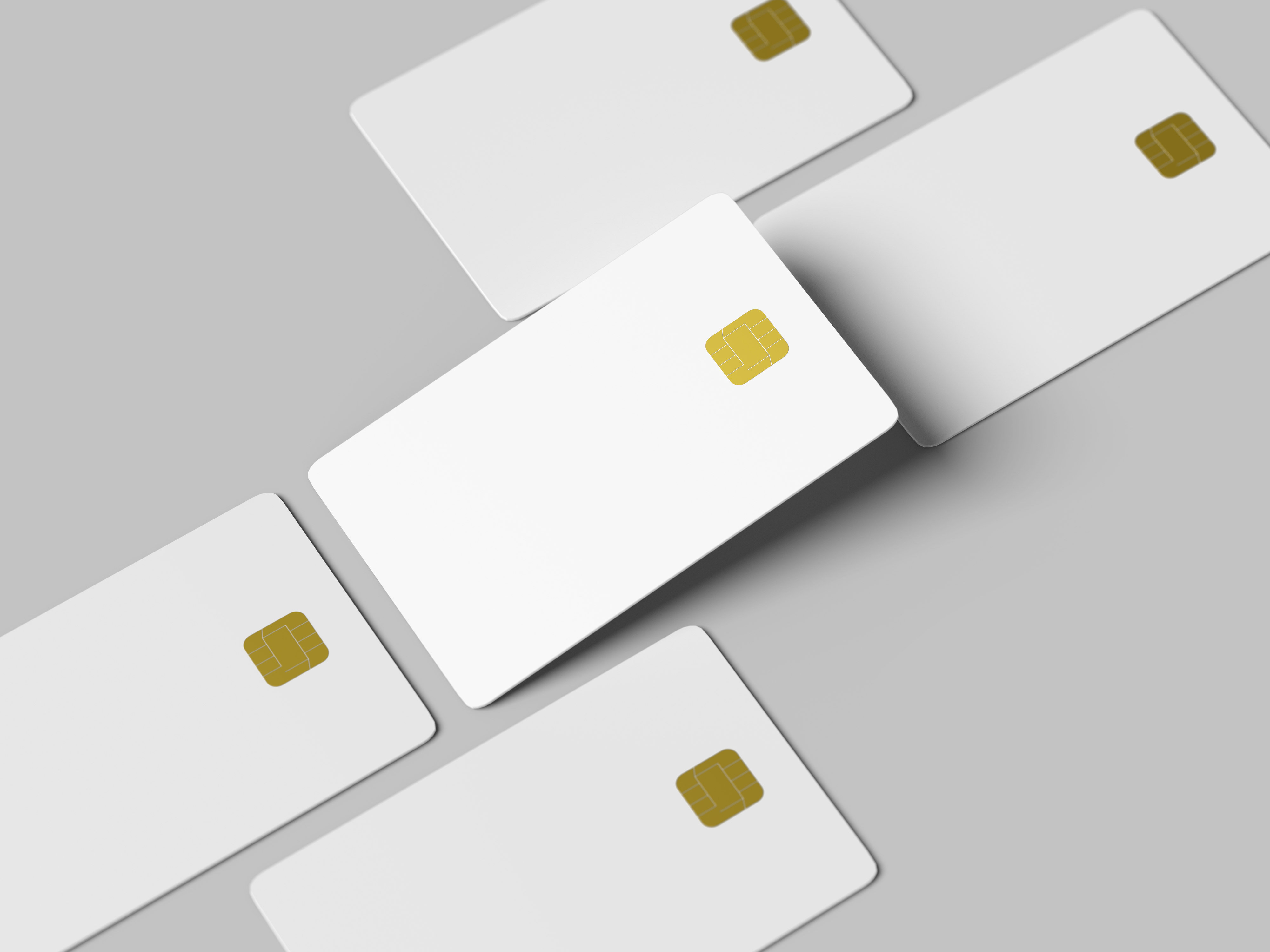
Installing an eSIM sounds complicated until you actually do it. There is no tiny plastic card to remove. No SIM tray tool to lose five minutes before boarding a flight. No airport shop, no queue, and no awkward conversation about which prepaid plan you need.
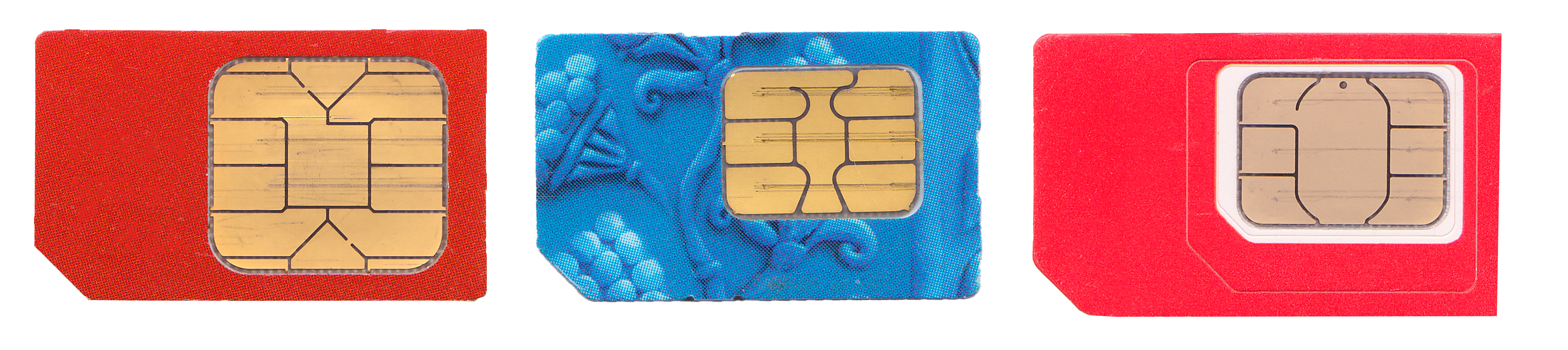
International travel comes with plenty of expenses. Flights, hotels, food, transportation, attractions and, increasingly, mobile connectivity. Mobile data is easy to overlook when planning a trip. You may assume that your regular phone plan will work abroad, only to discover that international roaming can cost significantly more than expected.
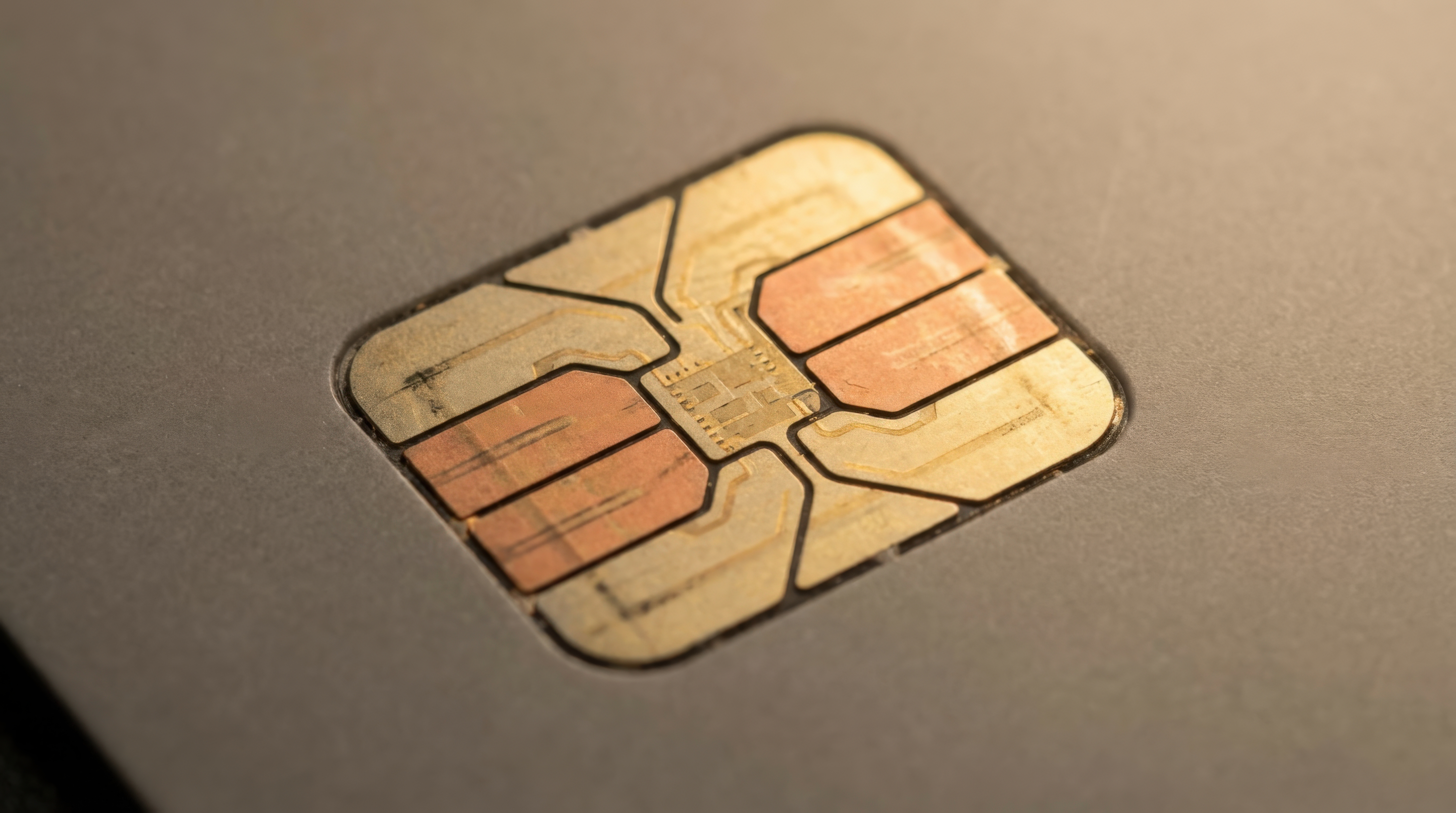
Traveling abroad no longer means relying on expensive international roaming or searching for a local SIM card after landing. With an eSIM, you can purchase a mobile data plan online, install it digitally, and connect to a local network when you reach your destination.
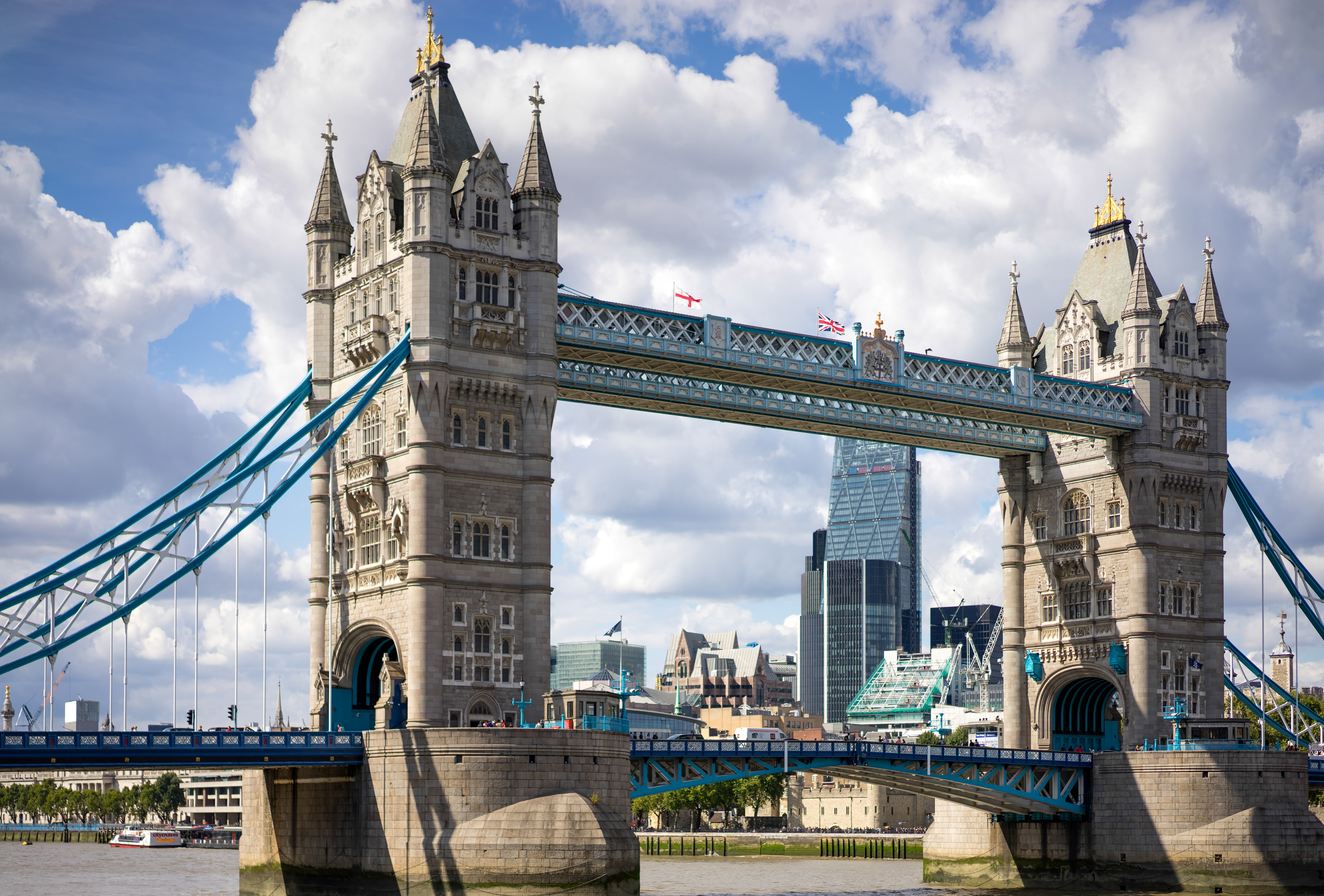
London is famous for Big Ben, Buckingham Palace, Borough Market, the British Museum, and its endless list of iconic landmarks. They deserve the attention they get—but there is another London hiding behind the postcards.

Whether you are exploring Seoul’s neighborhoods, taking the train to Busan, visiting Jeju Island, or combining South Korea with a wider Asian itinerary, reliable mobile data makes traveling much easier. From navigating unfamiliar streets and translating Korean menus to booking transport, checking restaurant reviews, using messaging apps, and sharing your trip online, having internet access is no longer a luxury.

London has long been one of the world's major destinations for art and culture. This summer, visitors have another reason to explore its gallery scene: Cameroonian painter Marc Padeu is presenting Memento Vivere at Larkin Durey in St James's, London.

There are few things more humbling than looking up at a dark summer sky and watching a meteor streak across it. This August, skywatchers have an especially good reason to stay outside after midnight. The Perseid meteor shower peaks on the night of August 12–13, 2026, and this year's timing is unusually favorable: the peak coincides with a New Moon, meaning moonlight won't wash out the fainter meteors.

On August 12, 2026, the skies across parts of Europe became the stage for one of the year's most anticipated astronomical events: a total solar eclipse. For travelers, eclipse chasers, photographers, and curious skywatchers, it was more than a celestial spectacle. It was a reason to travel, explore new destinations, and experience something that cannot be replicated on a screen.

International travel has changed the way we stay connected. You no longer need to wait in an airport queue for a local SIM card, swap tiny plastic chips, or return home to discover an unpleasant roaming bill.

Choosing the right travel eSIM can make international travel much easier. Instead of paying expensive roaming charges or searching for a physical SIM card after landing, travelers can buy a prepaid eSIM online and connect to a local network. Two options worth considering are Nomad and eSIMLLY

Choosing a travel eSIM should be simple. Pick your destination, choose a data plan, install the eSIM and get connected. Unfortunately, comparing eSIM providers is rarely that simple. Different providers offer different countries, data allowances, validity periods, network partners and prices. A plan that looks cheap at first may not be the best value once you compare how much data you actually receive.

For most international travellers, an iPhone has become almost as important as a passport. It holds your boarding passes, hotel confirmations, maps, translation apps, banking apps, ride-hailing services, travel photos and communication tools.

Imagine you're flying abroad tomorrow. Your flights are booked. Your hotel is confirmed. Your passport is packed. Your itinerary is ready. But there's one question travellers often leave until the last minute:

Landing in another country used to come with a familiar ritual. Turn on your phone. See that you're roaming. Become mildly terrified. Find an airport SIM-card shop. Choose between several plans you don't understand.
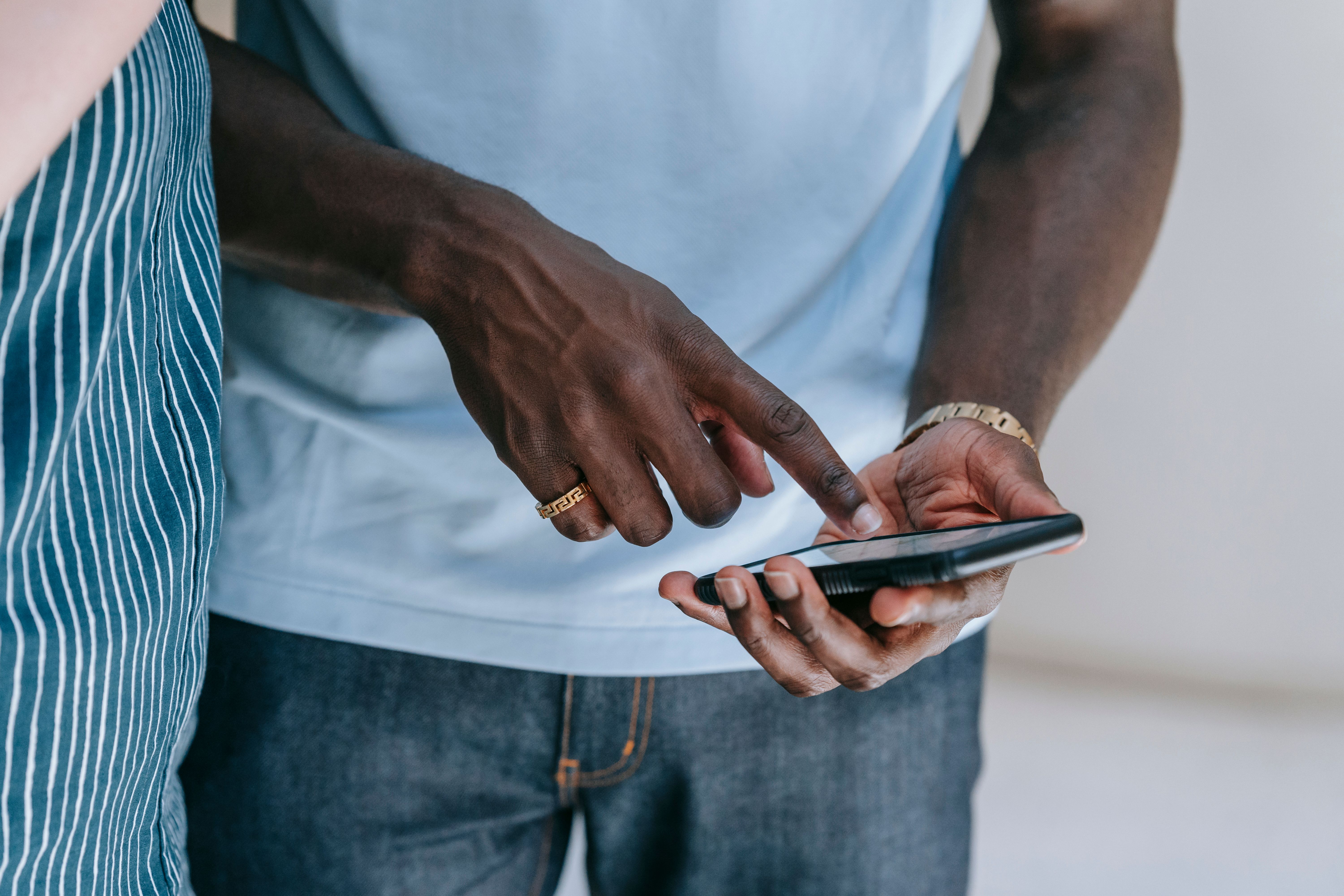
International travel has changed dramatically. Your boarding pass is digital. Your hotel reservation is digital. Your train tickets are digital. Your maps are digital. Your payments are increasingly digital. Yet for years, getting mobile data abroad still involved finding a tiny piece of plastic at an airport kiosk.

Your passport isn't the only thing you need to prepare before travelling internationally. Your phone needs some preparation too. For most modern travellers, a smartphone has effectively become a pocket-sized travel assistant.

Some technological revolutions are obvious. Rockets launch. Electric cars appear on roads. Artificial intelligence suddenly starts writing half the internet. Others happen inside hospitals. In February 2026, the UK government and NHS England published a major new National Cancer Plan for England, setting out how cancer prevention, diagnosis, treatment and long-term patient support could change over the next decade.
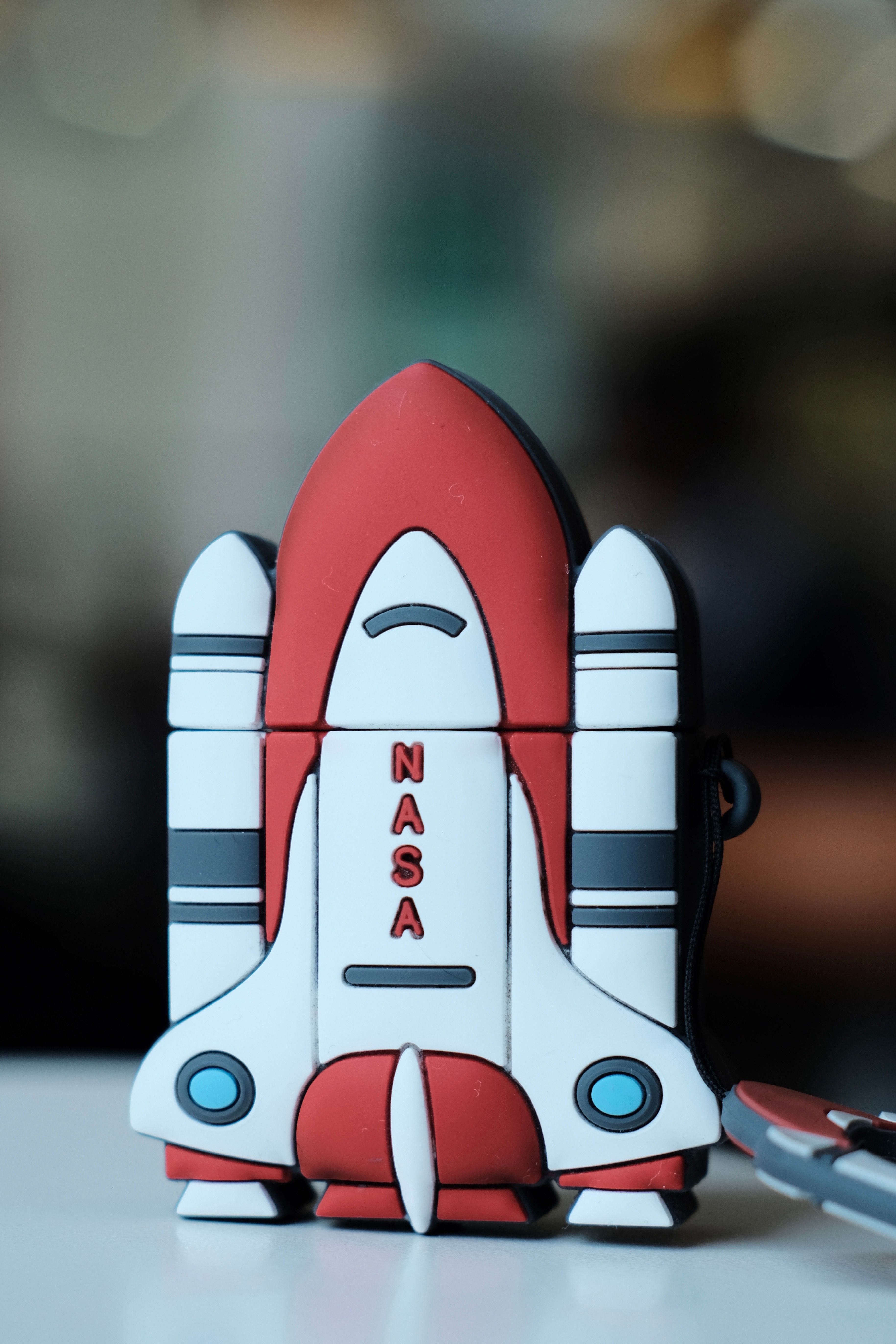
For more than half a century, one human-spaceflight record remained untouched. In April 1970, the crew of Apollo 13 travelled farther from Earth than any humans before them. Then came April 2026. Four astronauts aboard NASA’s Artemis II mission travelled around the Moon and returned safely to Earth.

Europe is changing. Not only through new high-speed trains, electric vehicles or solar panels appearing on rooftops. Something much less visible is happening too. The air itself has been getting cleaner. According to the European Environment Agency, air pollution has steadily decreased across Europe over the past two decades. At the same time, renewable energy is becoming an increasingly important part of Europe's electricity system.

We send spacecraft billions of kilometres into space. We photograph distant galaxies. We have robots exploring Mars. Yet here on Earth, scientists can still spend two weeks exploring the ocean and discover 31 species previously unknown to science. That's exactly what happened during a remarkable 2026 scientific expedition in the tropical South Atlantic Ocean.

Imagine travelling across Italy by train. Outside your window are vineyards, medieval towns, mountains and countryside. Above you? Solar panels helping generate electricity for the railway itself. It sounds futuristic, but solar technology is increasingly becoming part of the conversation around Europe's railway infrastructure.

International travel between Saudi Arabia and Russia just became significantly easier. A landmark mutual visa-exemption agreement between the Kingdom of Saudi Arabia and the Russian Federation officially entered into force on May 11, 2026. Under the agreement, eligible citizens of both countries can travel between Russia and Saudi Arabia without obtaining a traditional visitor visa beforehand for qualifying short-term visits.

Travelling around Africa has traditionally presented one peculiar problem. Two destinations can look relatively close on a map while getting between them requires an itinerary that looks as though it was designed by someone actively trying to prevent you from going on holiday.

Africa is having a serious travel moment in 2026. International tourism continues to grow across several of the continent's biggest destinations, while improved air connectivity, new routes, major infrastructure investment and increasingly diverse tourism experiences are bringing more international travellers to Africa.

International travel is considerably easier when your phone works as soon as you need it. You land at the airport. You need directions to your hotel. Then you need a taxi or ride-hailing app. Then perhaps translation, train information, restaurant recommendations, WhatsApp, email or your boarding pass.

China is rapidly becoming one of the most important international travel stories of 2026. Expanded visa-free entry policies, easier transit rules, growing international flight connectivity and renewed demand for Asian travel are making China significantly more accessible to international visitors. And the numbers are enormous.

An international eSIM allows a compatible smartphone to install a cellular plan digitally, giving travellers access to supported mobile networks abroad without needing to insert another physical SIM card.

Your smartphone may be one of the most important things you pack for an international trip. It holds your boarding passes, hotel reservations, maps, translation apps, banking apps, ride-hailing services, travel photographs and probably several conversations asking, "Have you landed yet?" But using your phone overseas requires a little preparation. If your settings aren't configured correctly, international roaming can become expensive. If you rely entirely on public Wi-Fi, you may find yourself without connectivity exactly when you need directions. And if you haven't secured or backed up your phone, losing it abroad can turn an inconvenience into a serious problem.
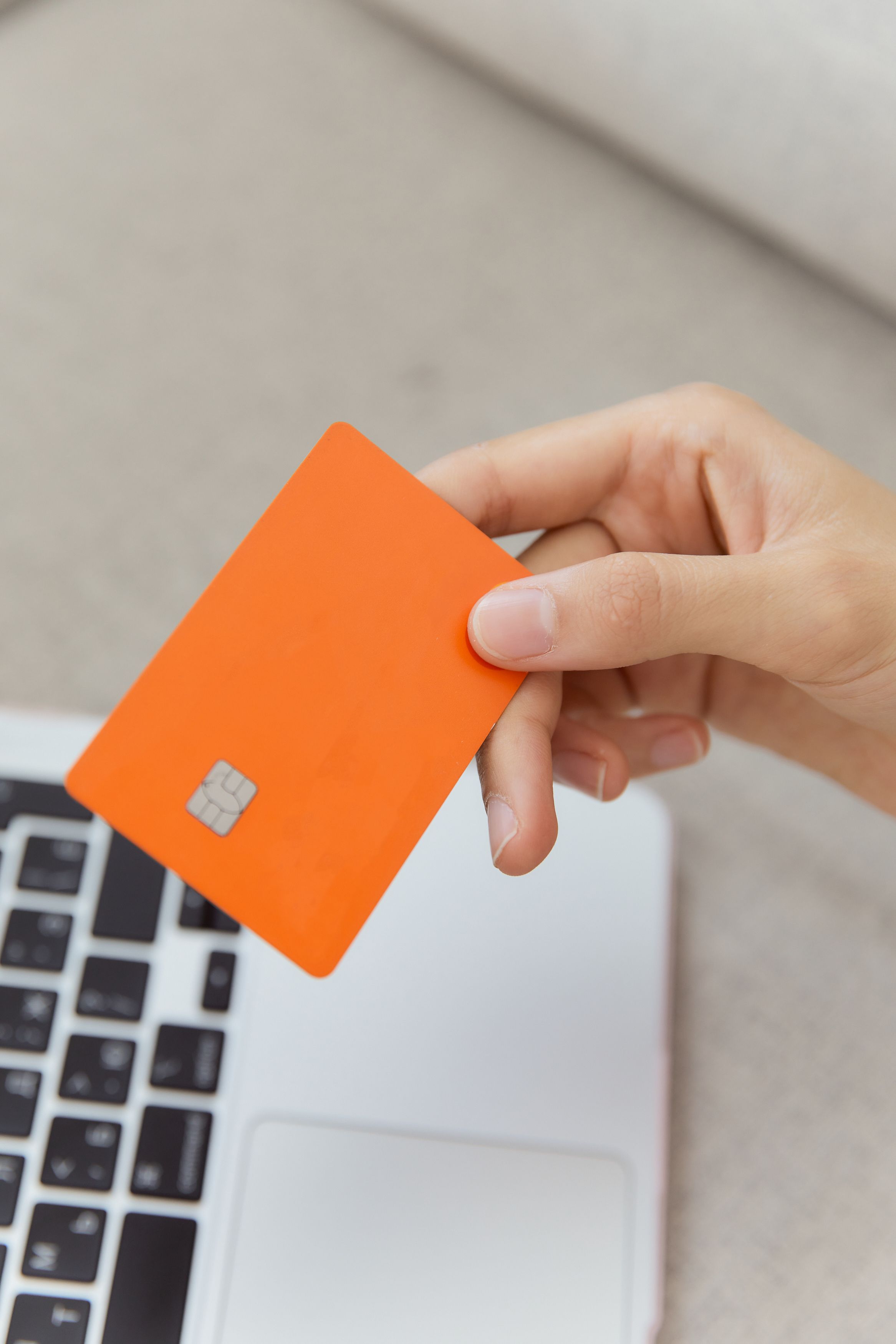
For decades, getting mobile service meant putting a tiny plastic SIM card inside your phone. Then came eSIM. Instead of inserting and removing a physical card, an eSIM allows a compatible device to download and manage cellular profiles digitally. Both technologies ultimately serve the same basic purpose: connecting your device to a mobile network. But the experience of using them is quite different.

If you've compared travel eSIM plans for different countries—or even looked at the same destination at different times—you may have noticed something: eSIM prices aren't always static.

Flights booked. Hotel confirmed. Passport packed. Travel insurance sorted. Mobile data? That's the part many travellers leave until they land. Then comes the familiar airport routine: searching for free Wi-Fi, comparing SIM cards at kiosks, trying to understand unfamiliar mobile plans or simply switching on international roaming and hoping the eventual bill isn't too creative.

International travel has become digital. Boarding passes live on your phone. Hotel reservations live on your phone. Maps, translation apps, train tickets, ride-hailing services and restaurant bookings live on your phone.

An eSIM lets you add a cellular plan digitally to your iPhone. For international travellers, that means you can prepare mobile data before departure and keep your regular SIM available at the same time on supported devices.

Travelling from Tokyo to Kyoto is one of the classic journeys in Japan. One moment you're surrounded by Tokyo's skyscrapers, neon streets and seemingly endless railway network. A few hours later, you're in Kyoto—the city of historic temples, traditional neighbourhoods, shrines, gardens and centuries of Japanese culture.
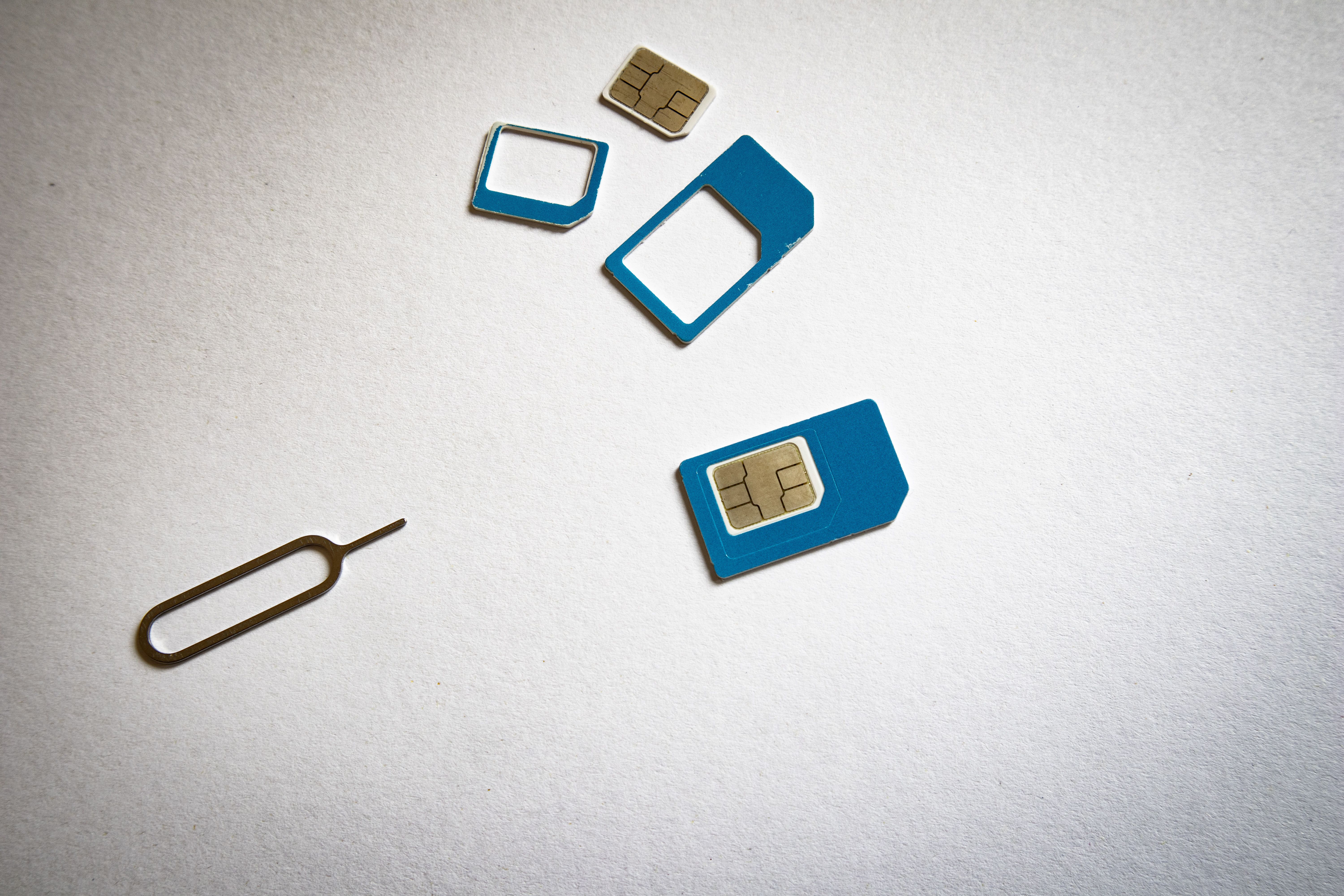
You've landed. Your bags arrived. Your hotel reservation is confirmed. You take your phone out, turn off airplane mode, open Google Maps—and suddenly your home mobile provider starts charging international roaming rates. International roaming can be convenient, but depending on your carrier and destination, that convenience can become expensive.

A weekend in Paris. Two weeks in Spain. An Italian road trip. Island hopping in Greece. For UK travellers, visiting Europe is straightforward. Understanding what happens to your mobile phone bill after you arrive? Not quite as simple. Years after Brexit, there's still considerable confusion around one basic question: Is data roaming free in Europe for UK travellers?

For many people considering a hair transplant, researching the procedure eventually leads to the same destination:

Thailand has a habit of making one trip feel insufficient. You could spend your first visit exploring Bangkok's temples and street-food stalls, return for the beaches of Phuket and Krabi, come back again for Chiang Mai's mountains and festivals, and still have hundreds of islands and smaller destinations left unexplored. With fascinating history, tropical scenery and more than 1,400 islands, Thailand offers something for almost every kind of traveller.

Dark towers. Medieval stone walls. Secret passages. Misty Transylvanian mountains. Centuries of royal and military history. Few European castles have captured the imagination quite like Bran Castle in Romania. Better known internationally as “Dracula’s Castle,” this dramatic fortress has become inseparable from vampire mythology and Bram Stoker’s legendary novel Dracula. But Bran Castle is much more than a Dracula-themed attraction.

Few cities combine urban life and spectacular nature as effortlessly as Vancouver. Here, you can spend the morning cycling beside the Pacific Ocean, eat lunch at a bustling public market, cross a suspension bridge through a rainforest in the afternoon, and finish your day watching the sunset over the mountains. Vancouver's location between the Pacific coast and British Columbia's mountains gives the city a personality that's difficult to replicate. Beaches, forests, waterfront neighbourhoods, museums, markets, restaurants, hiking trails, gardens, and mountain adventures are all within reach.

Toronto is the kind of city where your plans can change completely within a few streets. One moment, you're looking down at the skyline from hundreds of metres above the city. A few hours later, you could be walking through colourful street art, exploring an enormous museum, eating your way through a historic market, cycling beside Lake Ontario, or watching the sunset from the Toronto Islands. Canada's largest city brings together architecture, food, art, multicultural neighbourhoods, museums, shopping, parks, sports, and waterfront experiences in one enormous urban destination.

Running out of mobile data while travelling is one of the quickest ways to interrupt an otherwise enjoyable trip. Whether you're trying to navigate unfamiliar streets, book transportation, access your boarding pass, or message family back home, staying connected has become an essential part of modern travel.

Spring is one of the most beautiful times of the year to travel. Across the globe, cities come alive with blooming flowers, comfortable temperatures, longer daylight hours, and vibrant festivals. From Japan's famous cherry blossom season and Europe's colourful gardens to North America's spring break destinations and Easter holidays, millions of travellers take advantage of the season to explore new places before the busy summer rush begins.

Winter transforms some of the world's most beautiful destinations into unforgettable travel experiences. From skiing in the Alps and chasing the Northern Lights in Scandinavia to visiting Christmas markets in Germany or celebrating New Year's Eve in iconic cities, millions of travellers head abroad during the colder months.

Summer is the busiest travel season of the year. Schools close for holidays, families head overseas, students begin backpacking adventures, couples plan romantic getaways, and millions of people take advantage of the warm weather to explore new destinations.

While global sporting events often dominate travel headlines, 2026 is packed with hundreds of international events that will attract millions of visitors from around the world. International expos, technology conferences, music festivals, cultural celebrations, marathons, fashion weeks, trade exhibitions, gaming conventions, film festivals, and business summits all create enormous demand for reliable mobile connectivity.
International travel has become easier than ever, but staying connected abroad remains one of the biggest concerns for travellers. Whether you're travelling for business, leisure, studying overseas, or visiting family, you'll almost certainly need mobile data for navigation, messaging, online bookings, banking, and staying in touch.

If you've searched for a travel eSIM recently, you've probably seen advertisements promising "Unlimited Data." For frequent travellers, digital nomads, remote workers, content creators, and business professionals, unlimited mobile data sounds like the perfect solution. The ability to stream videos, navigate unfamiliar cities, attend video meetings, upload photos, and stay connected without worrying about running out of data is incredibly appealing.

For years, international roaming charges have caught travellers off guard. A few video calls, some map navigation, uploading holiday photos, or simply leaving mobile data turned on in the background can quickly result in charges that exceed the cost of flights or accommodation. Although many mobile carriers now offer international roaming packages, these plans are not always the most affordable or flexible option. Fortunately, modern travellers have better alternatives than ever before.
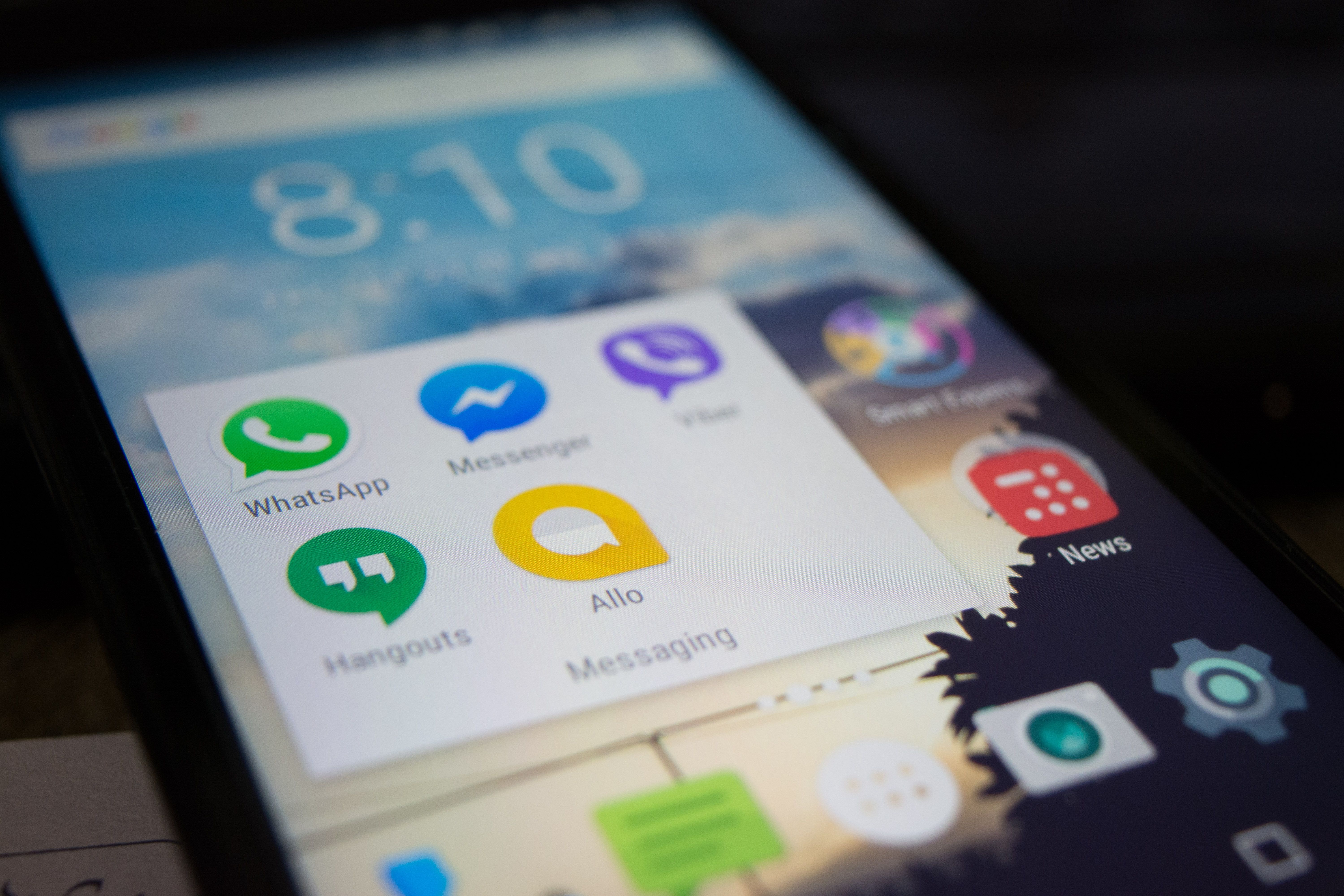
One of the biggest questions people ask before buying their first travel eSIM is: "Can I still make calls and send text messages?" The answer is: Yes—but not in the traditional way. Most travel eSIMs sold today are data-only plans. That means they provide mobile internet access but do not usually include a traditional phone number, voice minutes, or SMS messaging.
It's a reasonable concern. Your mobile connection is linked to sensitive parts of your digital life, including banking apps, social media accounts, email, cloud storage, two-factor authentication (2FA), and personal conversations. Choosing how your device connects to mobile networks is therefore an important security decision.

An eSIM is simply a digital version of a SIM card. Whether it includes a phone number depends entirely on the type of mobile plan you purchase, not on the eSIM technology itself. Many people mistakenly believe that every eSIM automatically includes a local phone number, voice calls, and SMS. In reality, most travel eSIMs sold for international travel are data-only plans, while eSIMs issued by traditional mobile carriers often include a phone number, voice calls, SMS, and mobile data.

Business travel has evolved dramatically over the past decade. Today's professionals are expected to remain connected wherever work takes them, whether attending meetings in London, negotiating contracts in Dubai, visiting factories in China, speaking at conferences in Singapore, or meeting clients across Europe and North America.

International travel is no longer limited to short holidays. Every year, millions of people travel overseas to study, explore new cultures, visit family, work remotely, volunteer, or spend months backpacking across multiple countries. Although every traveller has different goals, they all share one common requirement—reliable mobile connectivity.

Every year, millions of Muslims travel to the Kingdom of Saudi Arabia to perform Hajj and Umrah, making it one of the world's largest religious gatherings. Whether you're visiting the Holy Mosque in Makkah (Mecca), praying at Al-Masjid an-Nabawi in Madinah (Medina), or travelling through Mina, Arafat, and Muzdalifah during Hajj, staying connected has become an important part of the pilgrimage experience.

Cruise holidays have become one of the fastest-growing segments of international travel. Whether you're exploring the Greek Islands, sailing through the Caribbean, discovering Alaska, or taking a world cruise, staying connected has become just as important as packing your passport.

The way people work has changed dramatically over the last few years. Millions of professionals no longer need to be tied to a traditional office. Instead, they work from cafés in Paris, coworking spaces in Bali, beachside apartments in Thailand, mountain towns in Portugal, or bustling cities like Tokyo and Dubai.
Everyone wants to save money while travelling—but when it comes to mobile data, choosing the cheapest eSIM isn't always the smartest decision. A plan that costs only a few dollars may seem like a bargain, but if it offers very little data, short validity, or limited coverage, it may actually cost more per gigabyte than a slightly larger plan.

International travel has changed dramatically over the last few years. Travelers no longer need to search for SIM card kiosks after landing or worry about expensive roaming charges from their home mobile carrier. Instead, a growing number of people are choosing travel eSIM apps that allow them to purchase, install, and activate mobile data plans directly from their smartphones.

Travel eSIMs have become one of the easiest ways to stay connected abroad. Instead of searching for local SIM cards after landing or paying expensive roaming charges, travellers can purchase a digital data plan online, install it before departure, and connect to a mobile network within minutes of arrival.

One of the first decisions international travellers face is how to stay connected abroad. Whether you're travelling for business, studying overseas, taking a family holiday, or embarking on a long backpacking adventure, having reliable mobile internet has become almost as important as carrying your passport.

Running out of mobile data while travelling is one of the most common frustrations international travellers face. Whether you're navigating unfamiliar cities, uploading holiday photos, attending business meetings, or simply staying connected with family, keeping an eye on your data usage helps you avoid unexpected interruptions during your trip.

Choose too little, and you may run out of data halfway through your trip. Choose too much, and you could end up paying for data you'll never use.The right answer depends on several factors, including how long you're travelling, which apps you use, whether you'll have access to Wi-Fi, and whether you're travelling for business or leisure. Some travellers only need mobile data for navigation and messaging. Others spend hours on video calls, upload thousands of photos, stream high-definition videos, or work remotely while travelling. This guide explains how mobile data is used, estimates data consumption for common travel activities, and helps you choose the right eSIM plan for your next trip.
Upgrading to a new smartphone is exciting, but if you've never used an eSIM before, you may wonder how to move your mobile plan from your old device to your new one. Unlike a traditional SIM card that you simply remove and insert into another phone, an eSIM is stored digitally inside your device.
Travel eSIMs have made international connectivity easier than ever. Instead of buying a physical SIM card after landing, travellers can install an eSIM before departure and connect to a mobile network within minutes. However, if it's your first time using an eSIM, seeing messages like "No Service," "No Signal," "SOS Only," or "No Internet Connection" can be frustrating. The good news is that most eSIM problems are easy to fix.
eSIM technology has transformed the way people connect to mobile networks. Instead of inserting a physical SIM card, travellers can now activate a mobile plan digitally within minutes. Whether you're travelling abroad, switching mobile providers, or using separate plans for work and personal use, an eSIM offers greater flexibility and convenience than traditional SIM cards.

Mexico is one of the world's most visited travel destinations, attracting millions of tourists every year with its white-sand beaches, ancient Mayan ruins, vibrant cities, rich culture, incredible cuisine, and world-famous resorts. Whether you're exploring the streets of Mexico City, relaxing in Cancún, diving in Cozumel, visiting Chichén Itzá, enjoying Cabo San Lucas, or road-tripping through the Yucatán Peninsula, staying connected makes your journey easier and more enjoyable.

Egypt is one of the world's oldest and most fascinating travel destinations. Home to the Great Pyramids of Giza, the Sphinx, the Nile River, ancient temples, Red Sea resorts, and vibrant modern cities, the country welcomes millions of international visitors every year.

The United Kingdom remains one of the world's most popular destinations for international tourism, business, education, and cultural experiences. From London's iconic landmarks and Scotland's dramatic Highlands to the historic castles of Wales and the scenic coastline of Northern Ireland, the UK offers something for every traveller.

Singapore may be one of the smallest countries in the world, but it is one of the biggest global destinations for tourism, business, finance, aviation, and technology. Every year, millions of travellers arrive to experience its futuristic skyline, award-winning airport, world-class shopping, diverse cuisine, modern attractions, and efficient public transport system.

Indonesia is the world's largest archipelago, stretching across more than 17,000 islands and offering an extraordinary variety of travel experiences. From the cultural heart of Ubud and the beaches of Seminyak to the volcanoes of Java, the temples of Yogyakarta, the diving paradise of Raja Ampat, and the famous Komodo National Park, Indonesia attracts millions of visitors every year.

Thailand continues to be one of Asia's most popular travel destinations. Every year, millions of visitors arrive to experience bustling cities, tropical islands, ancient temples, mountain landscapes, world-famous cuisine, and welcoming hospitality. Whether you're shopping in Bangkok, relaxing on the beaches of Phuket, island hopping around Krabi, or exploring the mountains of Chiang Mai, one thing quickly becomes essential—reliable mobile internet.
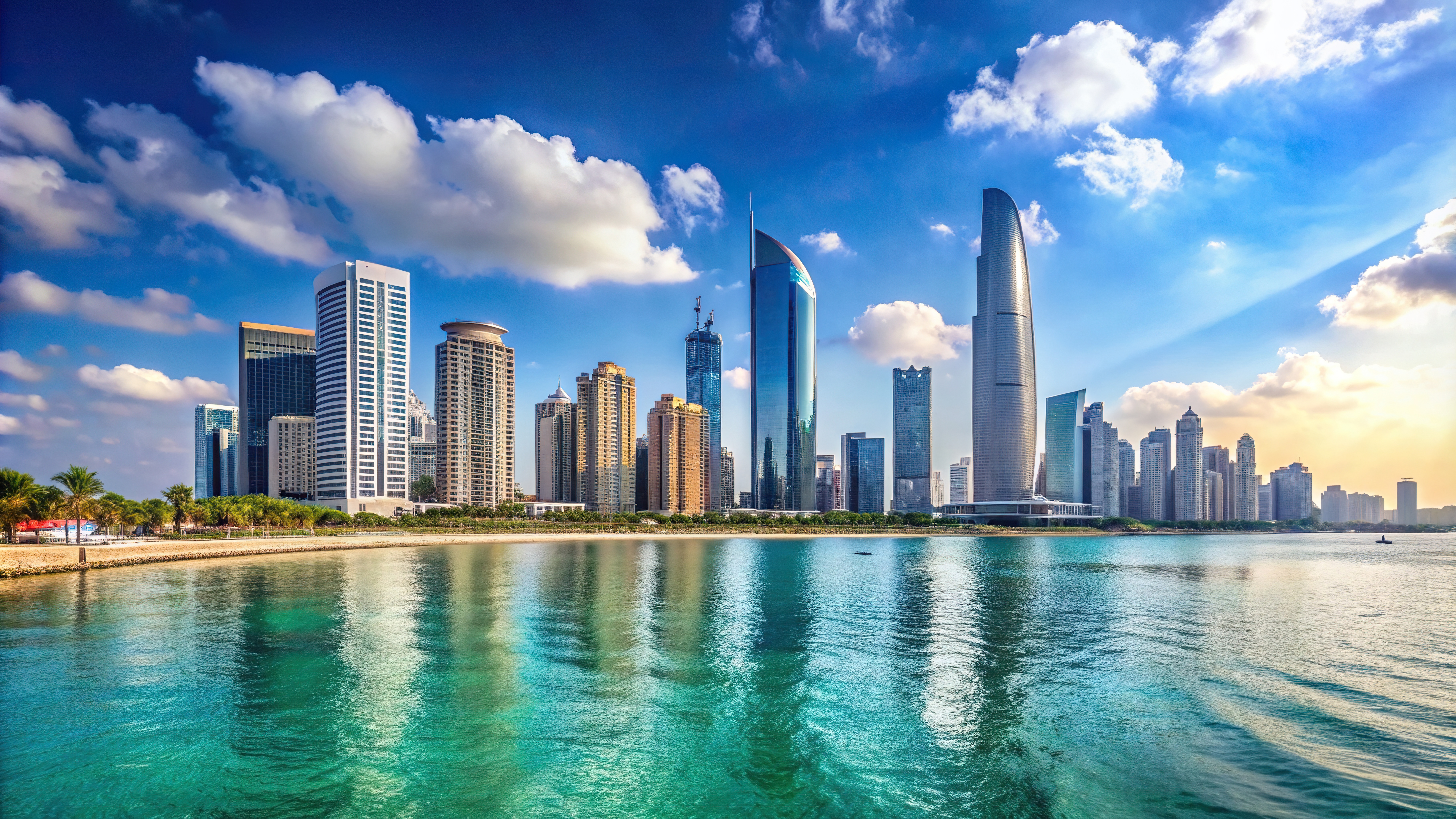
Dubai has become one of the world's leading travel destinations, welcoming millions of tourists, business professionals, digital entrepreneurs, and transit passengers every year. Combined with the rest of the United Arab Emirates—including Abu Dhabi, Sharjah, Ajman, Ras Al Khaimah, Fujairah, Umm Al Quwain, and Al Ain—the country offers world-class infrastructure, luxury shopping, desert adventures, pristine beaches, and some of the fastest-growing business hubs in the world.

Turkey is where Europe meets Asia, offering an unforgettable mix of ancient history, vibrant cities, breathtaking coastlines, and unique natural landscapes. Whether you're wandering through the Grand Bazaar in Istanbul, floating above Cappadocia in a hot air balloon, relaxing on the beaches of Antalya, or exploring the ruins of Ephesus, staying connected makes every part of your journey easier.

Europe remains one of the world's most popular travel destinations, attracting millions of visitors every year. Whether you're admiring the Eiffel Tower in Paris, exploring the canals of Amsterdam, hiking through the Swiss Alps, enjoying the beaches of Greece, or tasting authentic pasta in Rome, staying connected throughout your journey has become just as important as carrying your passport

Japan remains one of the world's most visited destinations, attracting millions of travellers every year. From Tokyo's futuristic skyline and Osaka's incredible food scene to Kyoto's historic temples and Hokkaido's breathtaking landscapes, every part of Japan offers something unique.
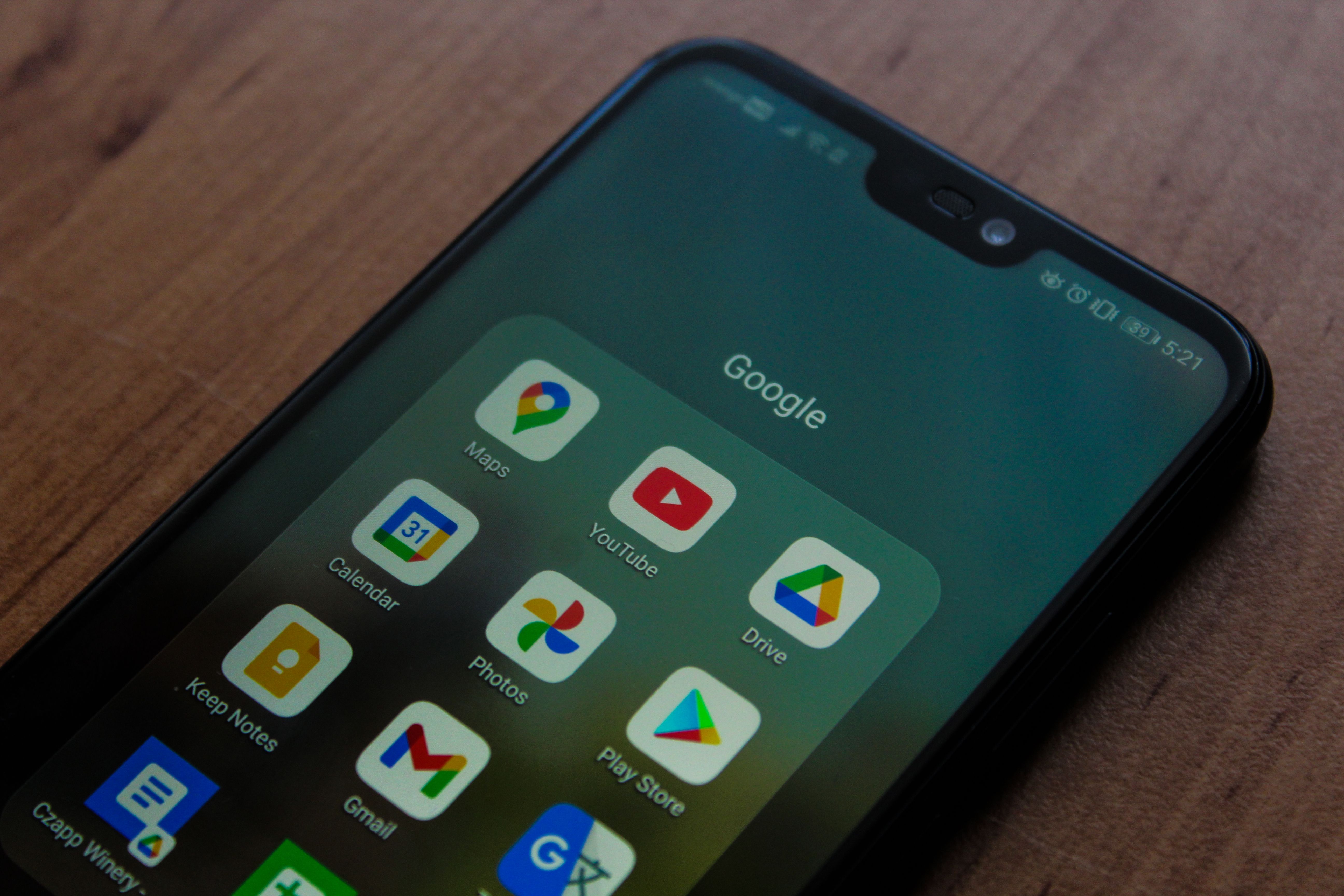
Google Pixel smartphones have become one of the most popular choices for travellers, digital nomads, business professionals, and Android enthusiasts. Known for their clean Android experience, advanced cameras, regular software updates, and strong support for modern connectivity, Pixel devices are particularly well suited for international travel.

Smartwatches have evolved from simple fitness trackers into powerful everyday companions. Today's Apple Watch can track workouts, monitor health, receive calls, reply to messages, navigate unfamiliar cities, make contactless payments, and even stream music—all from your wrist.

The iPad has evolved far beyond being a tablet for watching movies or browsing the web. Today, it is a powerful tool for business professionals, students, digital nomads, content creators, photographers, and frequent travellers. Many people now use an iPad instead of a laptop while travelling because it combines portability with impressive performance.

eSIM technology has transformed mobile connectivity. Instead of inserting a physical SIM card every time you change carriers or travel abroad, you can activate a mobile plan digitally in just a few minutes. Over the past few years, nearly every major smartphone manufacturer has embraced eSIM. Premium smartphones, foldables, tablets, laptops, and even smartwatches now support digital SIM technology.
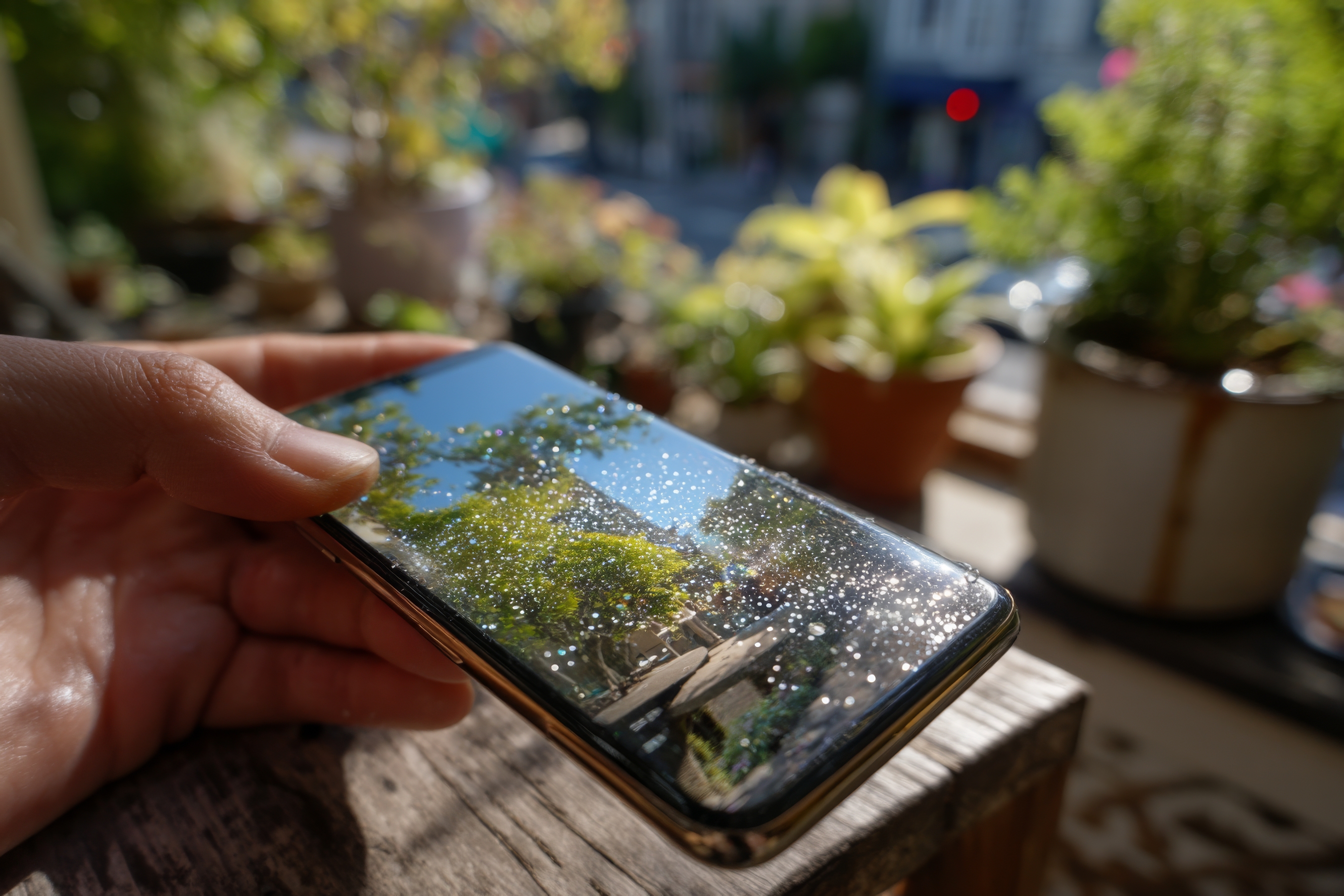
Samsung's Galaxy S25 and Galaxy S24 series are among the best Android smartphones for international travel. With powerful hardware, fast 5G connectivity, advanced cameras, and built-in eSIM support, these devices make it easier than ever to stay connected around the world.
The iPhone 15 and iPhone 16 series have become some of the most travel-friendly smartphones ever released. With advanced eSIM support, excellent battery life, fast 5G connectivity, and dual SIM capabilities, these devices are designed for people who want to stay connected wherever they go.
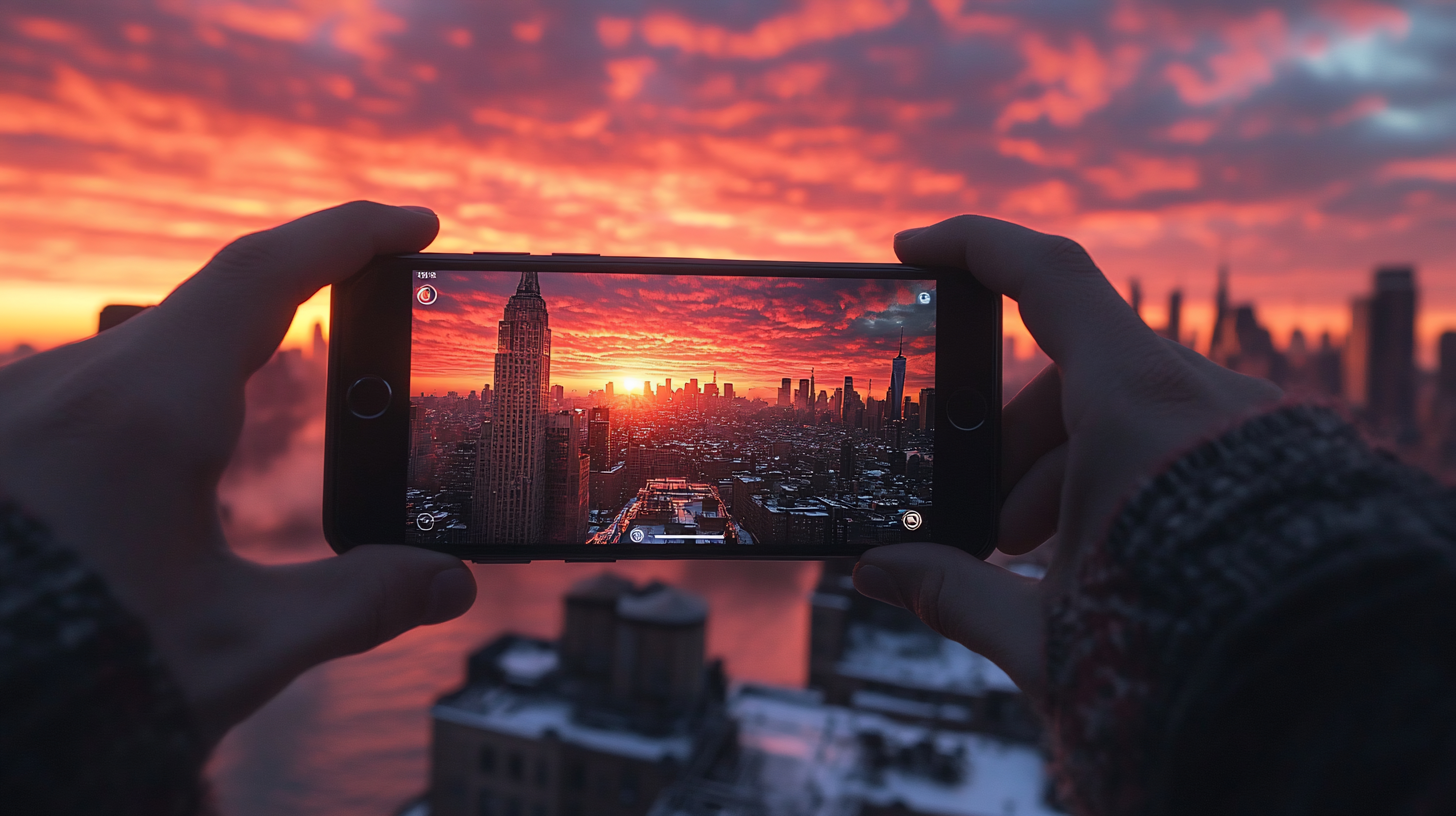
Smartphones have become indispensable travel companions. They help us navigate unfamiliar cities, book transport, access boarding passes, make contactless payments, translate foreign languages, and stay connected with family and colleagues across the globe.
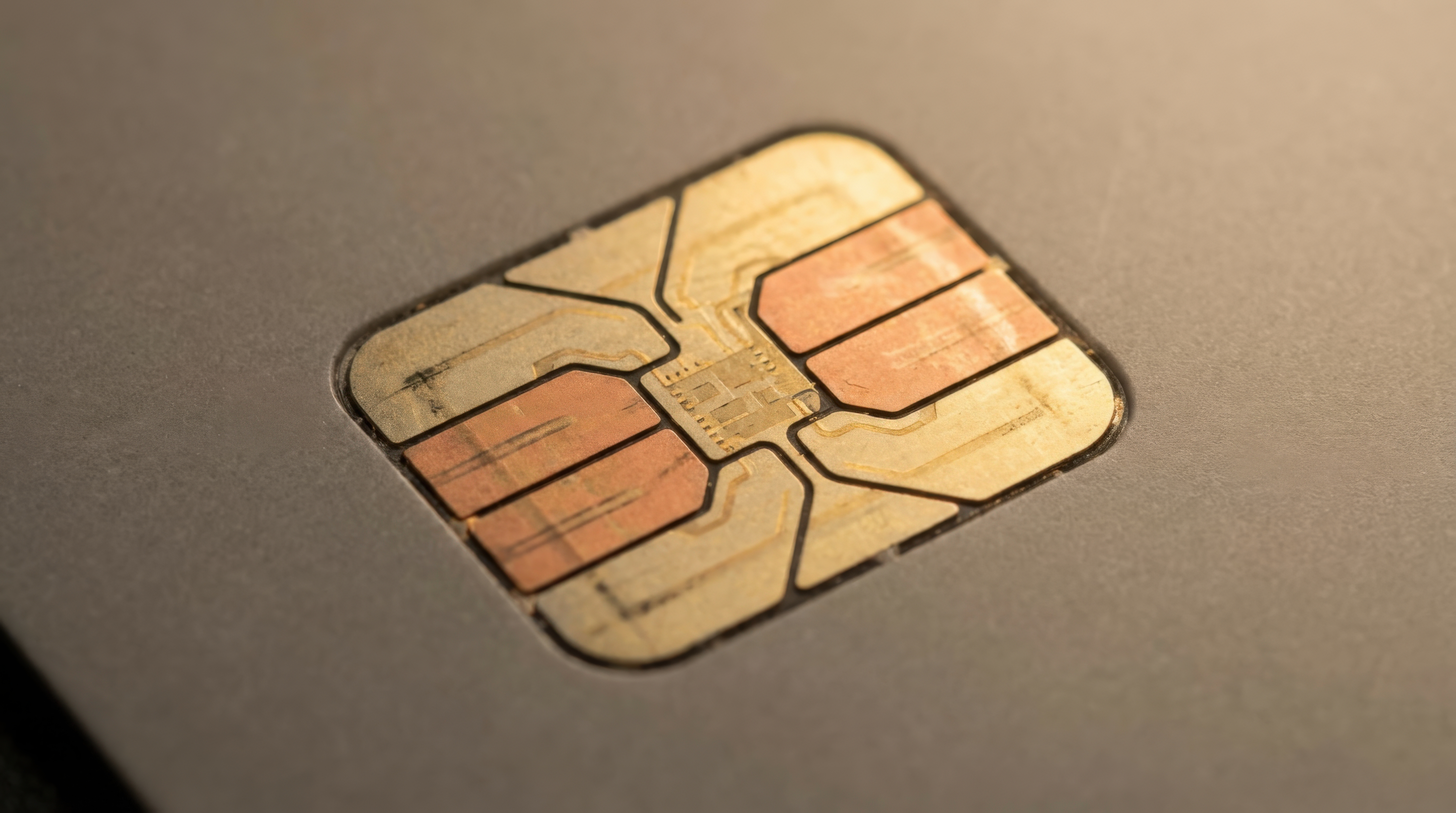
Black Friday and Cyber Monday have become two of the biggest shopping events of the year. What once focused mainly on electronics and home appliances has expanded to include travel, software subscriptions, fashion, airline tickets, hotel bookings, and increasingly, travel eSIMs.

The smartphone industry is moving steadily toward a future where physical SIM cards become optional—or disappear altogether. Over the past few years, eSIM technology has evolved from a niche feature into a standard capability on many premium smartphones.

The FIFA World Cup 2026 is set to be the largest edition of the tournament ever held. For the first time in history, three countries—the United States, Canada, and Mexico—will jointly host football's biggest event. Millions of supporters are expected to travel across North America to watch matches in multiple cities, making it one of the most ambitious sporting events ever organised.
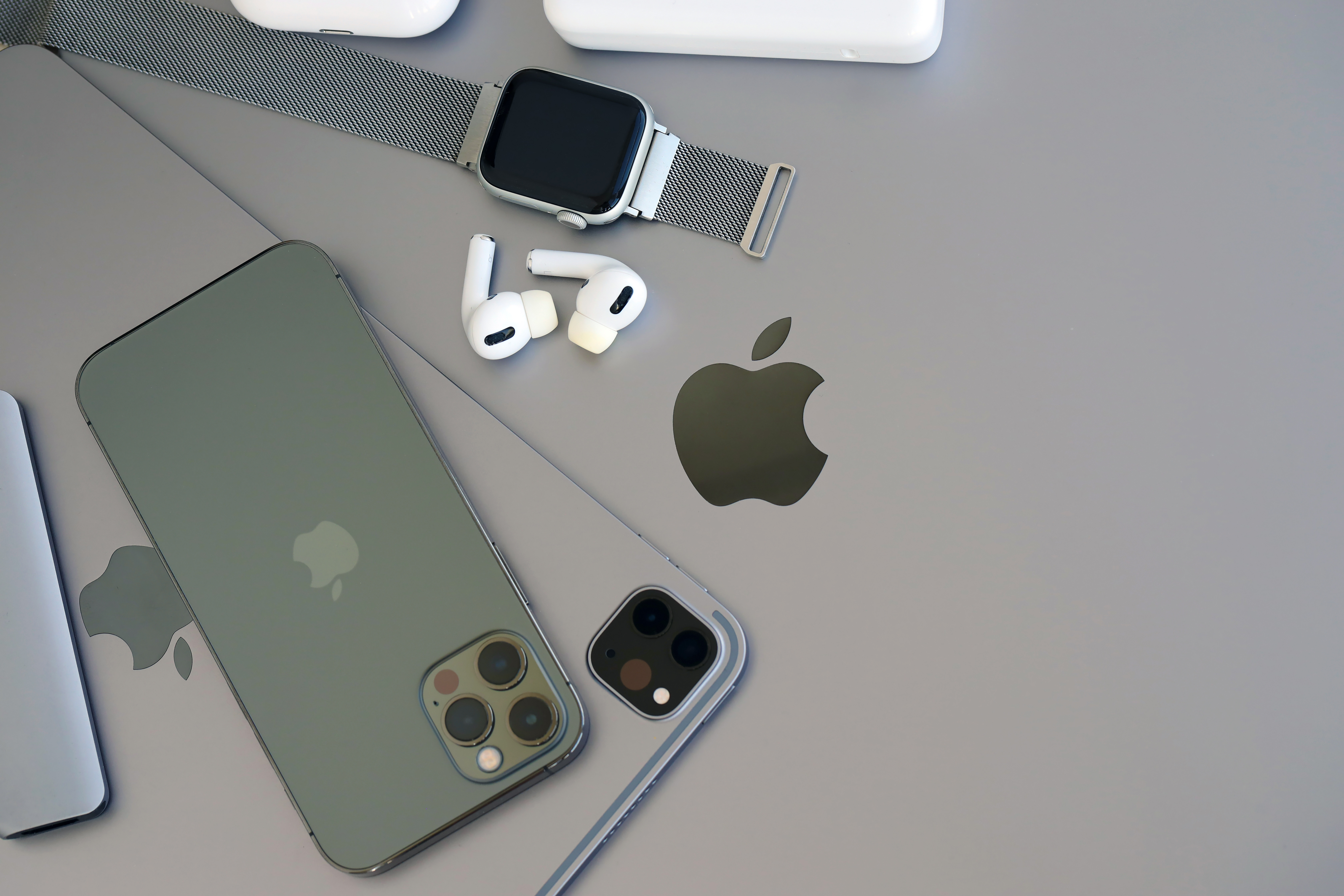
eSIM technology has transformed the way people connect to mobile networks. Instead of inserting a physical SIM card, modern smartphones allow users to activate a mobile plan digitally in just a few minutes.
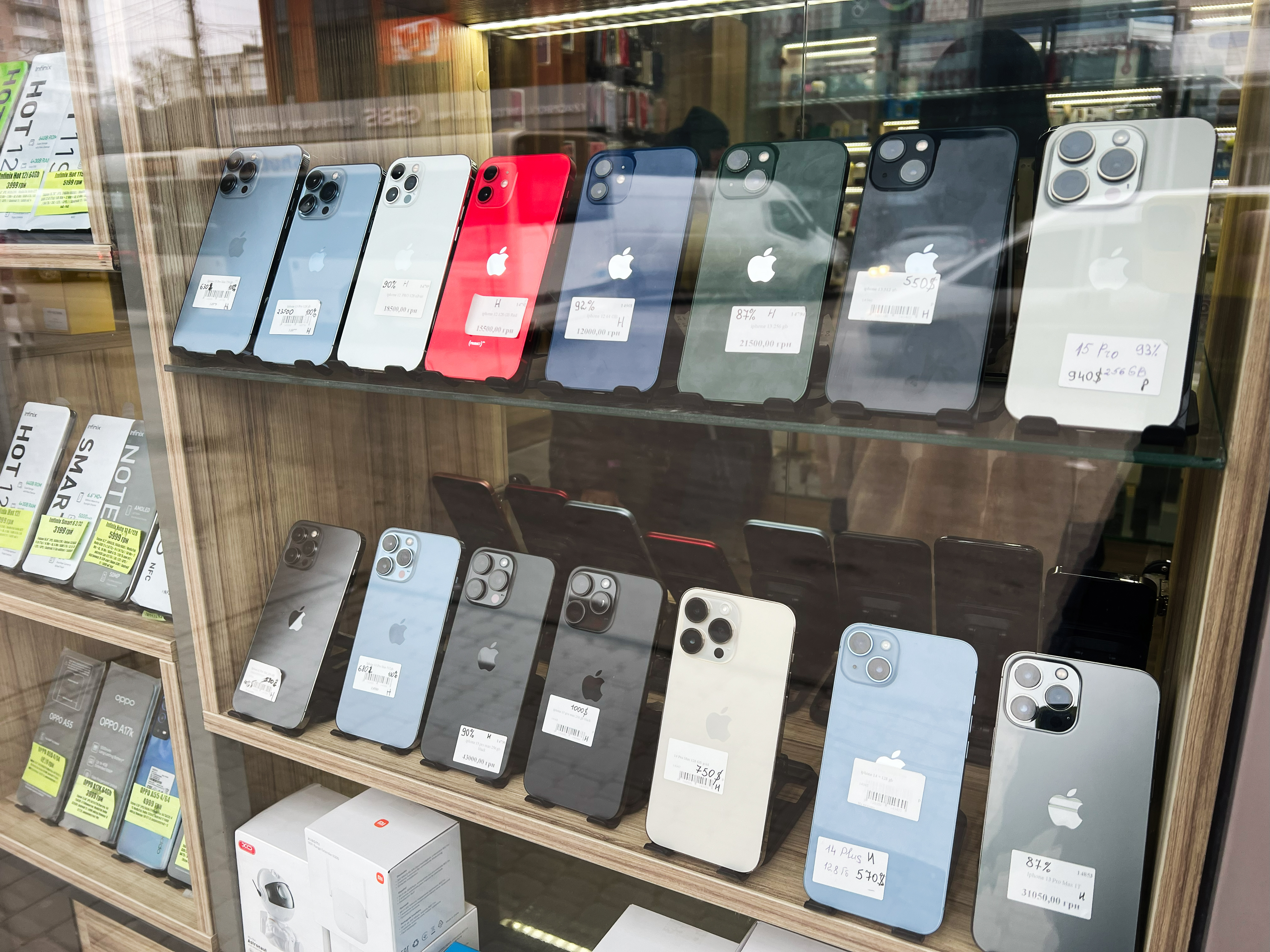
The smartphone industry has been moving steadily toward a future without physical SIM cards. Cameras have replaced compact digital cameras, digital wallets have replaced cash for many purchases, and boarding passes have replaced printed tickets. Now, one of the oldest parts of every smartphone—the removable SIM card—is gradually disappearing.

International travel has become easier than ever. Flights can be booked within minutes, hotels can be reserved instantly, and boarding passes are stored digitally on smartphones. Yet one problem continues to surprise millions of travellers every year—unexpected mobile roaming bills. Many travellers assume that because their phone works overseas, using it will cost roughly the same as it does at home. Unfortunately, international roaming rarely works that way.

The Commonwealth Games have returned to Glasgow, bringing together thousands of athletes, coaches, journalists, volunteers, and sports fans from across the Commonwealth. The 2026 edition features competitors from more than 70 Commonwealth Games Associations competing across multiple sports, with India once again emerging as one of the strongest medal contenders—particularly in weightlifting, where Mirabai Chanu secured a historic third consecutive Commonwealth Games gold while several other Indian lifters added to the country's medal tally.

Business travel has evolved dramatically over the past decade. Today's professionals rarely travel with printed itineraries, paper maps, or folders full of documents. Flights are booked online, boarding passes live on smartphones, meetings happen over video calls, and expense reports are submitted through mobile apps.

As eSIM technology becomes standard across modern devices, manufacturers are beginning to rethink how connectivity is delivered. Instead of asking users to install a travel eSIM every time they travel, future smartphones may arrive with travel-ready eSIM capabilities already built into the device.

Business travellers often owned separate devices for work and personal use. Frequent international travellers kept tiny plastic SIM cards inside wallets or passport holders, swapping them every time they crossed a border. Digital nomads collected local SIM cards from every country they visited, eventually ending up with a collection of plastic cards they rarely used again.
In 2026, internet connectivity is no longer treated as a separate purchase. Instead, it is becoming an integrated part of the travel booking experience. Banking apps, airline platforms, online travel agencies, digital wallets, and travel management applications are beginning to include eSIM services directly inside their customer journeys.

For years, China has been one of the world's largest smartphone and telecommunications markets, yet eSIM adoption remained relatively limited compared to many Western countries. While millions of travellers embraced digital SIM cards for international travel, the Chinese mobile ecosystem moved at a more cautious pace due to regulatory frameworks, carrier strategies, and device certification requirements.
Unlimited mobile data has become one of the most sought-after features for international travellers. Whether you're working remotely from another country, uploading travel videos, navigating unfamiliar cities, or staying connected with family, worrying about running out of data can quickly become an unnecessary distraction.

International travel has changed dramatically over the past decade. Flights are booked online, hotel rooms are unlocked with mobile apps, boarding passes live in digital wallets, and even customs declarations are becoming paperless. Yet many travellers still face one outdated problem every time they cross a border—changing SIM cards.
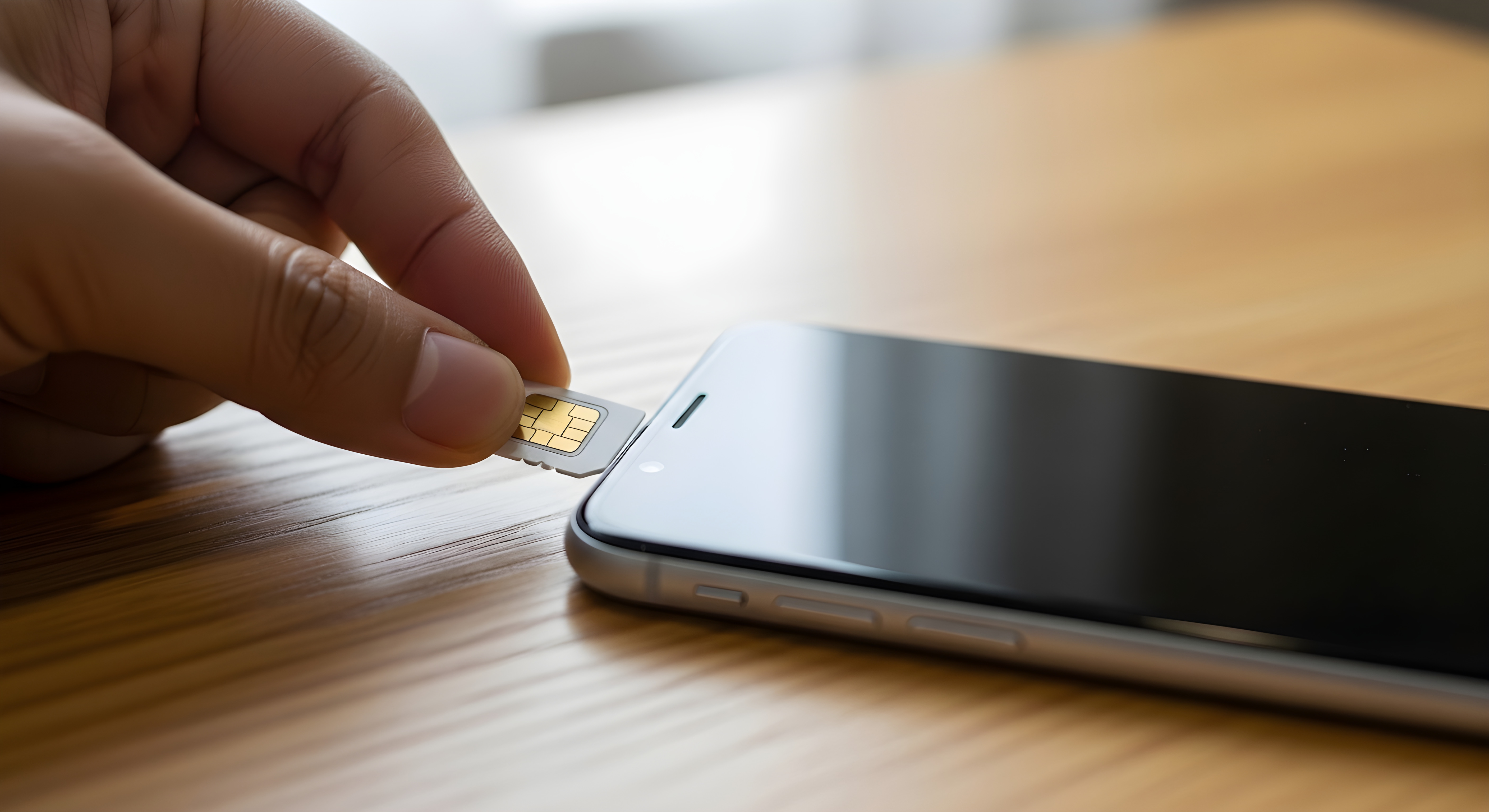
The way people stay connected while travelling has changed dramatically over the last few years. Airport SIM card kiosks, expensive international roaming plans, and the hassle of swapping physical SIM cards are gradually becoming part of the past.

Imagine landing in another country after a long flight. You switch off airplane mode, your phone instantly connects to a local network, and everything appears normal. You check Google Maps, message your family, upload a photo, and book a taxi.

International travel has never been easier. Booking flights takes minutes, hotels are reserved with a few taps, boarding passes are stored digitally, and navigation apps guide travelers through unfamiliar cities. Yet one challenge continues to surprise millions of people every year—staying connected after landing.

The FIFA World Cup 2026 was unlike any tournament before it. Hosted jointly by the United States, Canada, and Mexico, it welcomed millions of football fans from around the world. With more host cities, more matches, and more international travelers than previous editions, staying connected became almost as important as securing a match ticket.

Looking for the best Japan eSIM? Learn how to choose the right plan, estimate your data needs, check device compatibility, and stay connected throughout your trip.

Not sure how much mobile data you need while traveling? Learn how much data common apps use and choose the right eSIM plan for your next trip.
Avoid the most common eSIM mistakes before your next trip. Learn how to prepare your phone, choose the right plan, and enjoy hassle-free mobile data while traveling.
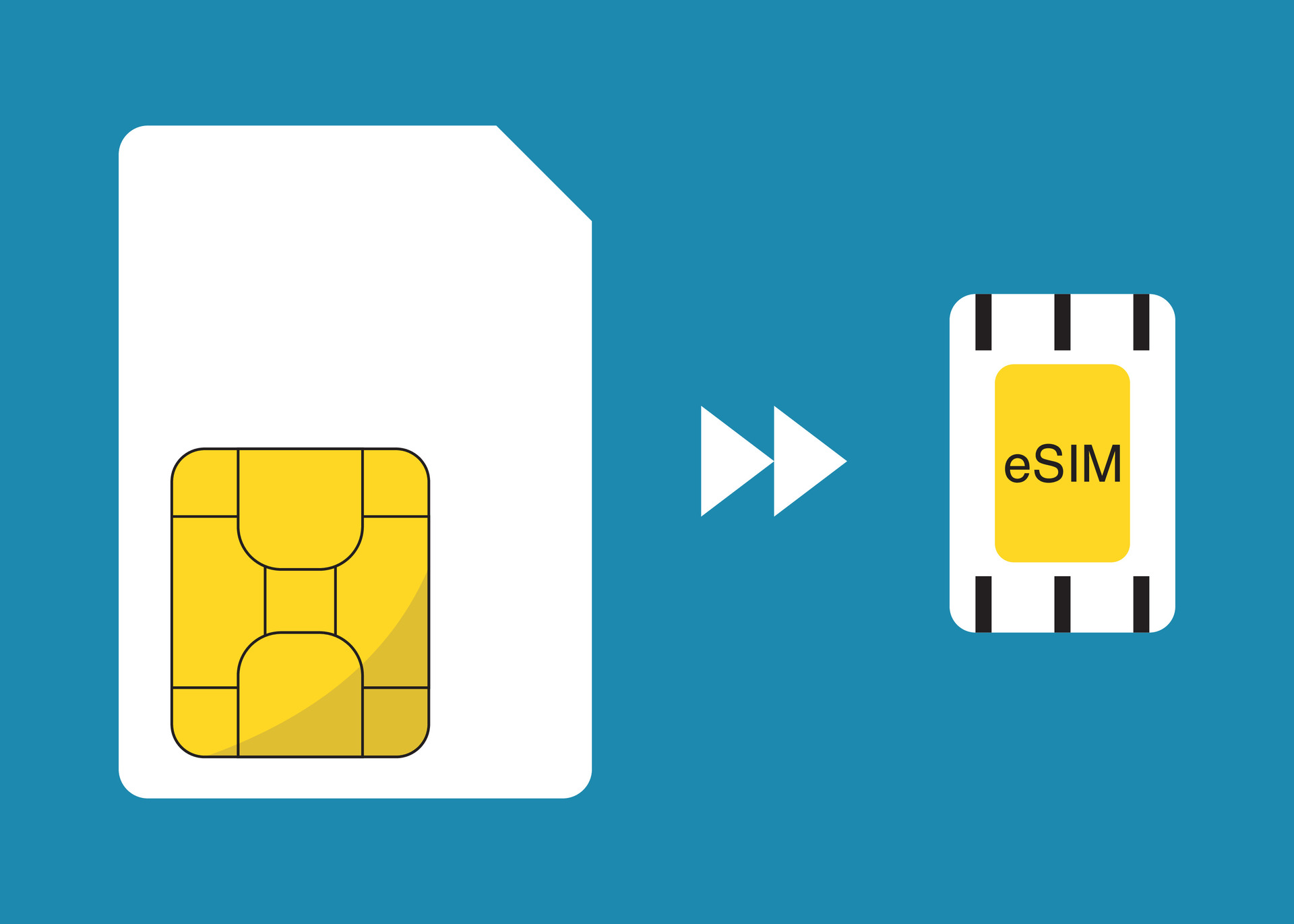
International roaming allows you to use your existing mobile carrier while traveling abroad. Your phone connects to partner networks in your destination country, so you can continue using calls, texts, and mobile data.

Looking for the cheapest eSIM? Compare affordable travel eSIM options, avoid expensive roaming charges, and stay connected in 200+ destinations with eSIMLLY
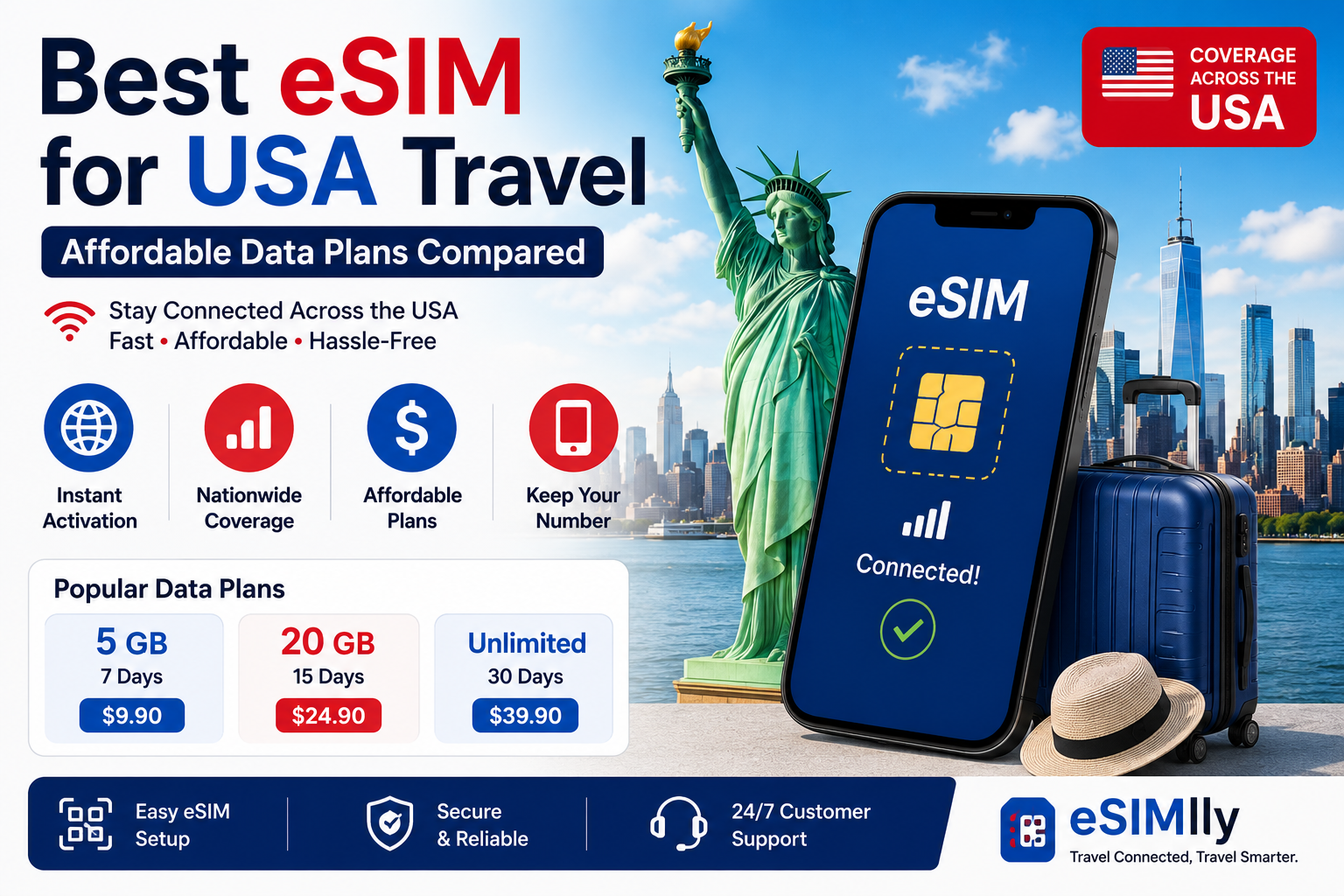
Looking for the best eSIM for USA travel? Compare affordable prepaid data plans, coverage, pricing, compatible devices, and learn how to stay connected across the United States without expensive roaming charges.

Learn how to buy and activate an eSIM before traveling to Europe. Follow this step-by-step guide to stay connected instantly, avoid roaming charges, and enjoy seamless internet across Europe.

Wondering whether to choose an eSIM or a physical SIM for your next trip? Compare features, costs, convenience, security, and coverage to find the best option for international travel in 2026.
Technology is evolving at an incredible pace, and global events like Google I/O 2026 continue to shape what the future looks like. Scheduled for May 19–20, 2026, this flagship developer conference is expected to introduce major advancements in artificial intelligence, Android ecosystems, and cross-device connectivity.

Traveling is one of life’s most enriching experiences—whether you’re heading to a bustling city like London, exploring beaches in Bali, or going on a business trip across continents. But no matter where you go, one thing remains constant: being prepared can make or break your journey.

Football and travel go hand in hand. Whether you’re flying across continents or just hopping cities to catch a match, staying connected is no longer a luxury—it’s a necessity.

An eSIM (embedded SIM) is a digital SIM that is built directly into your device. Unlike a traditional SIM card that you physically insert into your phone, an eSIM is already embedded in the device’s hardware.
Subscribe to our newsletter for the latest eSIM insights and travel tips.


